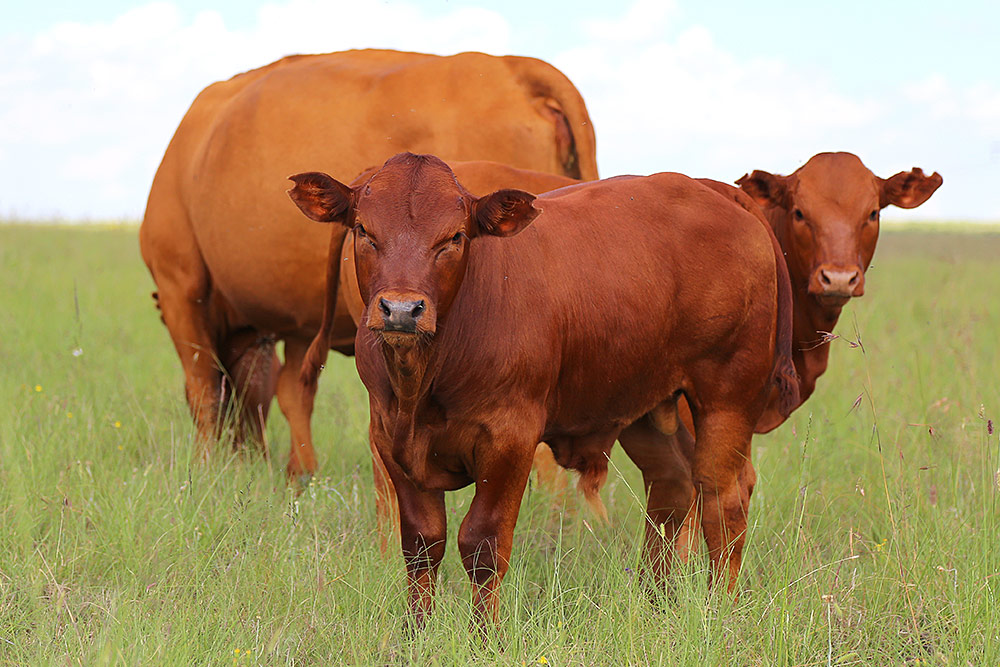
Bonsmara Cow for Sale: Selecting Healthy Breeding Stock, 100% purebred, Buy Now!
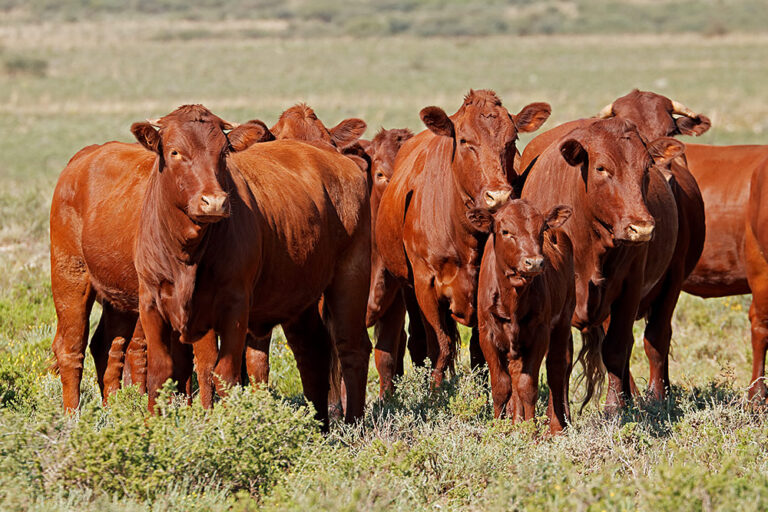
Bonsmara Cow for Sale
I’ll be honest with you — picking breeding cows is not as simple as it looks on paper. When I first started, I thought all I had to do was look for a strong, big cow and I’d be done. Boy, was I wrong. I wasted money, time, and patience on cows that looked perfect but gave me headaches later. That’s why if you’re serious about getting a Bonsmara Cow for Sale, you have to look deeper — and I mean really look.
This isn’t going to be a dry list of traits. I want to share what I’ve learned the hard way, the things I noticed after years in the field, and the mistakes I wish I hadn’t made.
Why Healthy Breeding Stock Makes All the Difference
I remember one season when I bought a seemingly healthy cow. She looked perfect, weighed well, had shiny hair — everything you could want. But a few months later, she struggled to conceive, her calves were weak, and her temperament? Let’s just say I learned to wear gloves.
The right breeding cow affects everything:
- Calf health and growth
- Milk production
- Herd genetics for the future
- Your sanity (seriously)
Buying a Bonsmara Cow for Sale isn’t just a transaction; it’s an investment in years of farm productivity. The wrong choice can set you back months, or even years.
Physical Health: Don’t Be Fooled by Appearances
A cow might look healthy from across the field, but you need to get up close. I’ve learned this the hard way. Here’s what I check now, every single time:
Body Structure
I want to see:
- Straight, strong legs that can carry her weight through pregnancy
- Balanced hooves — no cracks or signs of disease
- A frame that looks proportional for both meat and milk
I once bought a cow that looked incredible, but her legs weren’t aligned properly. She limped after a month, and I had to replace her sooner than I wanted. Lesson learned: check structure closely.
Coat and Skin
A shiny coat tells a story about nutrition and overall health. Dull, patchy hair is often a sign of neglect or deficiency. I’ve spent hours brushing through a cow’s coat, and that small detail has saved me from making a costly mistake more than once.
Eyes and Nose
Bright eyes, a clean nose, alert ears. Simple, right? But it’s amazing how often people overlook these. Any discharge or dullness usually signals something hidden, and hidden problems mean trouble later. Bonsmara Cow for Sale
Reproductive Health: The Real Heart of Breeding
I can’t stress this enough: a cow’s reproductive health determines your herd’s future. I’ve had cows that looked perfect but had irregular cycles or difficult calvings. Those cows cost me money and time. Bonsmara Cow for Sale
Fertility and Estrus
- Ask about previous pregnancies
- Check for regular heat cycles
- Look for cows that have successfully raised calves before
A Bonsmara Cow for Sale with a proven reproductive history is worth every penny.
Maternal Instincts
Some cows are natural mothers; others, well… not so much. I’ve learned to watch a cow’s behavior around calves. Calm, attentive cows almost always produce stronger, healthier calves.
Temperament: The Unsung Hero
Temperament is huge. I’ve handled aggressive cows before, and trust me, you don’t want that in your breeding herd. Bonsmaras are naturally calm, but every cow is an individual.
When inspecting, I like to:
- Approach her slowly and see how she reacts
- Watch her interactions with other cows
- Note how she responds to feeding
A calm, steady cow makes life on the farm a thousand times easier. That’s why I pay close attention to temperament when choosing a Bonsmara Cow for Sale.
Genetics: Think About Tomorrow, Not Just Today
Breeding is about the future. Genetics influence:
- Growth rates
- Milk production
- Resistance to disease
- Temperament
When I buy, I ask about lineage and bloodlines. A cow may look perfect now, but what kind of calves will she produce? That’s where experience comes in — and why you should ask the seller about the herd history before investing in a Bonsmara Cow for Sale.
Red Flags: Don’t Ignore the Warning Signs
Over the years, I’ve learned to spot trouble before it starts:
- Limping or lameness
- Dull or patchy coat
- Skittish or aggressive behavior
- History of difficult calving
- Poor milk production
Avoiding these pitfalls saves more money than any other tip I could give.
Why Buying from a Trusted Breeder Matters
Here’s something I learned the hard way: a cheap cow with no records costs more in the long run than one bought from a trusted breeder. A good breeder provides:
- Health and feeding history
- Reproductive records
- Guidance and advice post-purchase
That’s exactly why I only buy from sources that provide a clear history of every Bonsmara Cow for Sale I consider.
Internal Linking Ideas for SEO
To improve engagement and rankings, link to:
- Bonsmara Cow Feeding and Nutrition
- Bonsmara Cow Breeding and Calving Guide
- Raising Healthy Calves
- Bonsmara Cow Health Management
- Bonsmara Cowlets and Adults Available for Sale
FAQs About Selecting Bonsmara Breeding Stock
Q: How do I pick a Bonsmara cow for breeding?
A: Look for health, temperament, reproductive history, and proven genetics.
Q: What’s a healthy cow look like?
A: Bright eyes, shiny coat, strong legs, calm demeanor, good mothering skills.
Q: Do Bonsmara cows adapt well to different environments?
A: Yes, they are hardy and versatile.
Q: Why trust a breeder?
A: Detailed records and support reduce risk and improve long-term results.
Q: Where can I find a Bonsmara Cow for Sale?
A: Work with experienced breeders who provide healthy, proven stock.
Final Thoughts: Invest in the Right Cow
Selecting breeding stock is about more than looks or price. It’s about investing in your herd’s future. The right Bonsmara Cow for Sale can improve genetics, productivity, and herd stability for years.
Take your time. Ask questions. Inspect closely. Observe temperament. Check reproductive history. And when you find a cow that ticks all the boxes, you’re not just buying an animal — you’re investing in your farm’s future. Bonsmara Cow for Sale