
Saanen Goat: The Complete Guide to the World’s Top Dairy Goat Breed. 100% Purebred, Buy Now!
Saanen Goat
Saanen Goat
There’s something interesting happening in dairy farming right now. More people are leaving complicated livestock systems and going back to something simpler, more predictable, and honestly more profitable.
And in the middle of that shift, one animal keeps showing up again and again.
The Saanen Goat.
Not because it is trendy. Not because it is new. But because it works.
If you’ve ever thought about starting a dairy goat farm, or expanding one, this guide will help you understand the animal properly—without the fluff you usually see online.
And yes, we can also help you confidently source and buy healthy stock when you’re ready.
A Quiet Star in Dairy Farming
The first thing most farmers notice is how calm these goats are.
They don’t stress easily. They don’t behave wildly. They just eat, grow, and produce milk steadily.
That alone makes life easier.
The Saanen Goat is often called the “quiet dairy machine” on farms because of how consistent it is.
And consistency, in farming, is everything.
Where It All Started
The Saanen Goat originally comes from the Saanen Valley in Switzerland. A place known for cold weather, green pastures, and careful breeding traditions.
Farmers there didn’t rush the process. They selected goats generation after generation based on one thing: milk output.
Over time, they built one of the most reliable dairy breeds in the world.
Today, that same genetics is used globally—from Africa to Asia to Europe.
What surprises most new farmers is how well it adapts even outside cold climates.
Why Farmers Keep Choosing It
Let’s be honest. Farming is risky enough already.
So when a breed keeps proving itself, people pay attention.
The Saanen Goat is popular for a few simple reasons:
- It produces steady milk almost year-round
- It is easy to manage even for beginners
- It grows well in different climates
- It has a calm temperament
It doesn’t demand complicated systems. Just good care, clean housing, and proper feeding.
And it responds quickly to good management.
What It Actually Looks Like on a Farm
If you walk into a small dairy setup with these goats, you’ll notice something.
It feels organized.
They don’t create chaos in the pen. They move calmly, feed properly, and settle fast after milking.
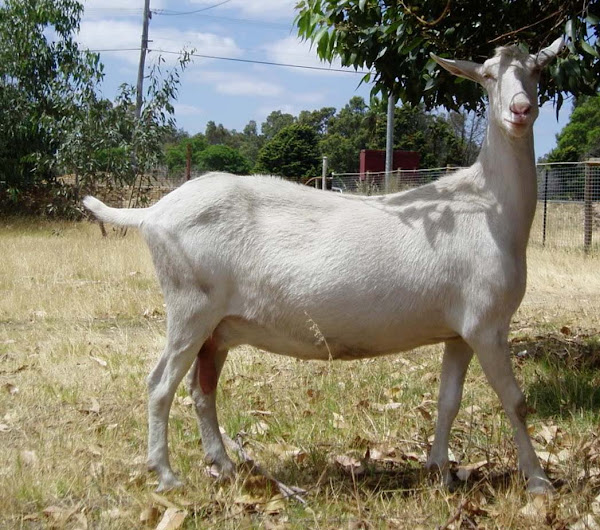
A mature Saanen Goat is usually white or cream-colored, with a clean, soft coat and upright ears.
But beyond appearance, what matters is structure. They are built for milk production, not just survival.
That difference shows up in results.
Milk Production That Keeps Farmers Interested
This is where things get serious.
A healthy Saanen Goat can produce around 2 to 4 liters of milk daily under normal conditions.
With better feeding and proper care, that number can go higher.
But the real value is not just quantity. It’s consistency.
Milk doesn’t drop randomly. It stays stable.
That makes planning easier—whether you’re selling raw milk, making yogurt, or supplying local markets.
And that stability is why commercial farmers keep expanding their herds.
Feeding Without Overcomplication
One mistake new farmers make is overthinking feed.
The truth is simple.
Goats need balance, not luxury.
A Saanen Goat does well on:
- Fresh green forage
- Good quality hay
- Clean water at all times
- Basic mineral supplements
That’s it.
If you overfeed junk or low-quality materials, milk production drops. If you feed well, production improves fast.
They respond quickly to better nutrition, which is one of their strongest advantages.
Housing Matters More Than People Think
People often underestimate housing.
But goats notice everything.
Heat, humidity, crowding, dirty floors—it all affects performance.
A Saanen Goat needs:
- Good ventilation
- Dry flooring
- Shade from direct sun
- Clean bedding
They don’t like extreme heat for long periods, so airflow is important.
A clean environment doesn’t just prevent disease. It improves milk quality too.
Breeding: Simple but Strategic
Breeding is where long-term profit comes in.
A healthy Saanen Goat can start breeding within its first year if well managed.
Gestation lasts about five months, and twins are very common.
But here’s the key part many farmers miss: genetics matter.
If you choose weak breeding stock, productivity drops in the next generation.
If you choose strong, healthy animals, your herd improves over time.
That’s where good sourcing becomes important.
The Real Profit Story
Let’s talk money, but in a realistic way.
Dairy goats don’t make you rich overnight.
But they build steady income over time.
A well-managed Saanen Goat herd can generate income through:
- Daily milk sales
- Breeding stock sales
- Expansion of herd size
- Occasional meat sales
The beauty is predictability. You can actually plan around it.
And that’s rare in agriculture.
A Simple Buying Guide That Saves You Stress
If you are new, buying livestock can feel confusing.
There are too many sellers. Too many promises. Too many risks.
Here’s the simple truth:
Healthy animals matter more than cheap animals.
When you decide to buy Saanen Goat, focus on:
- Bright eyes and active movement
- Clean coat and strong legs
- Good body condition (not too thin)
- Verified health history if possible
Avoid rushed purchases.
Good goats pay you back for years. Bad ones create problems in weeks.
That’s why we help farmers source properly selected animals that are ready for production, not guesswork.
Why Many Farmers Work With Us
We don’t just move animals.
We focus on starting points for farmers who want real results.
Every Saanen Goat we help supply is selected based on health, structure, and milk potential.
We also guide farmers after purchase—because owning livestock is only half the journey. Managing it properly is where success happens.
Most of our clients come back when they’re ready to expand.
That tells you everything.
Health: What Actually Keeps Them Productive
Goats are tough animals, but they still need care.
The biggest issues usually come from neglect, not weakness.
For a healthy Saanen Goat, you need:
- Regular deworming
- Basic vaccinations
- Clean drinking water
- Stress-free environment
Watch behavior closely.
A drop in appetite or milk output is usually the first warning sign.
Catching problems early saves money and prevents losses.
A Real Farmer’s Perspective
One thing experienced farmers often say is this:
“The breed is not the problem. Management is.”
That fits perfectly here.
A Saanen Goat will perform well if you treat it right.
It won’t fix bad feeding. It won’t fix dirty housing. But it will reward good care faster than most breeds.
That’s why many beginners actually prefer it after their first cycle.
Common Questions Farmers Ask
How much milk can I really expect?
A healthy Saanen Goat can give 2–4 liters daily. Good systems push that higher.
Is it difficult to raise?
Not really. If you can manage basic livestock care, you can handle it. The breed is very forgiving for beginners.
Can I start small?
Yes. Many farmers start with just a few animals and expand gradually once they understand the system.
Final Thoughts
Dairy farming is not about complexity. It’s about consistency, patience, and choosing the right breed.
The Saanen Goat has proven itself across different climates and farming systems because it simply delivers steady results.
If you are thinking long-term, this is one of the safest entry points into dairy livestock.
And when you’re ready, we can help you buy Saanen Goat that are properly selected, healthy, and ready to perform—so you don’t waste time guessing.
Good farming always starts with good animals.


