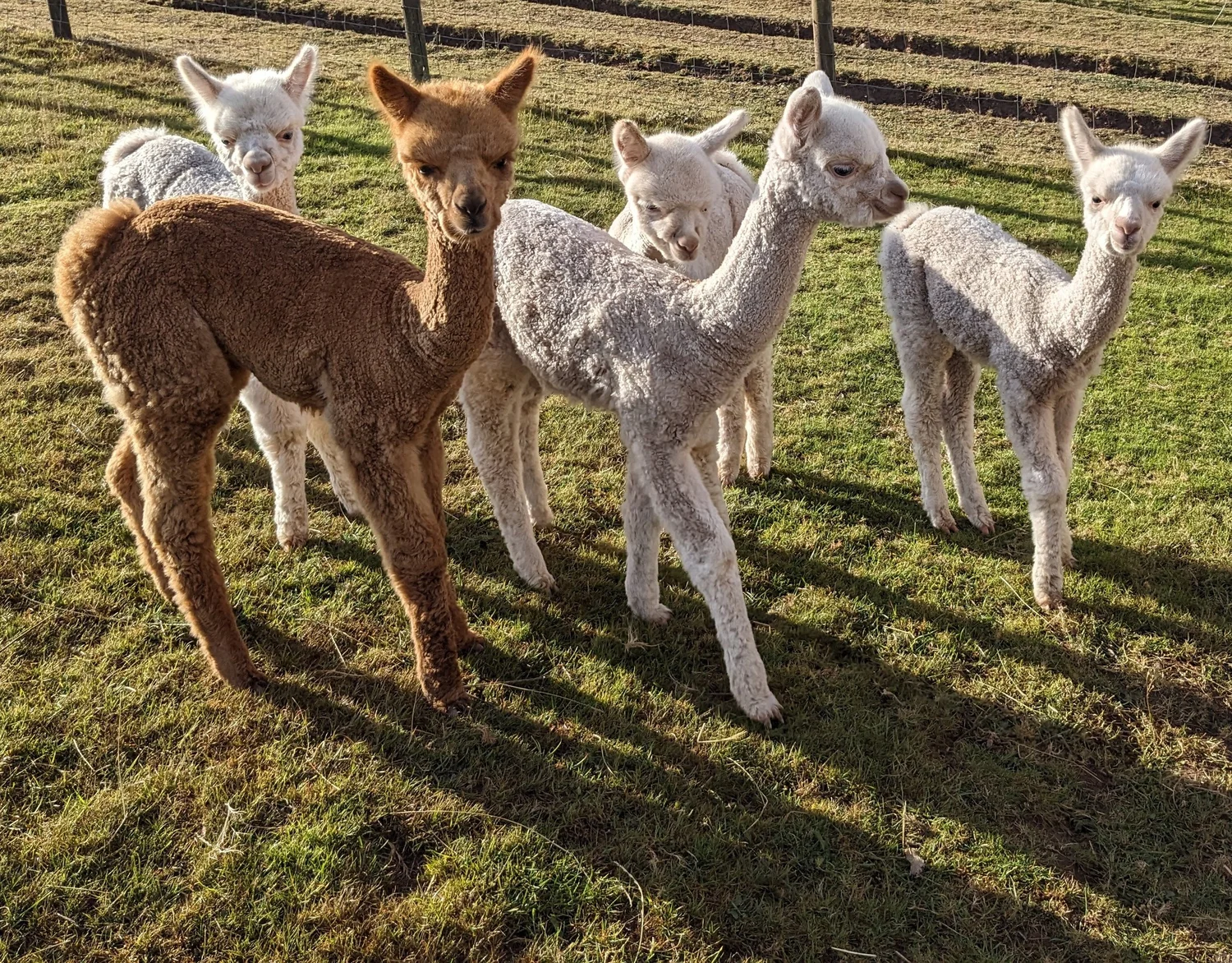
Alpaca Animals: A Practical Guide to Care, Buying, Breeding, and Farm Management
There is a reason alpaca animals continue to attract the attention of farmers, homesteaders, fiber enthusiasts, and people looking for something different from traditional livestock.
They are distinctive animals.
Their calm appearance, soft fleece, curious behavior, and relatively manageable size make them appealing to many types of owners.
But owning alpaca animals is not simply about putting a few animals in a field and watching them graze.
Like any livestock, they need proper care.
They need suitable food, clean water, secure fencing, shelter, routine health management, and regular observation.
The good news is that learning how to care for them does not have to be complicated.
The best place to start is by understanding the animals themselves and deciding what you want from your herd.
Whether you are considering your first alpaca or planning to expand an existing farm, this guide covers the practical things worth knowing before making that commitment.
Understanding Alpaca Animals
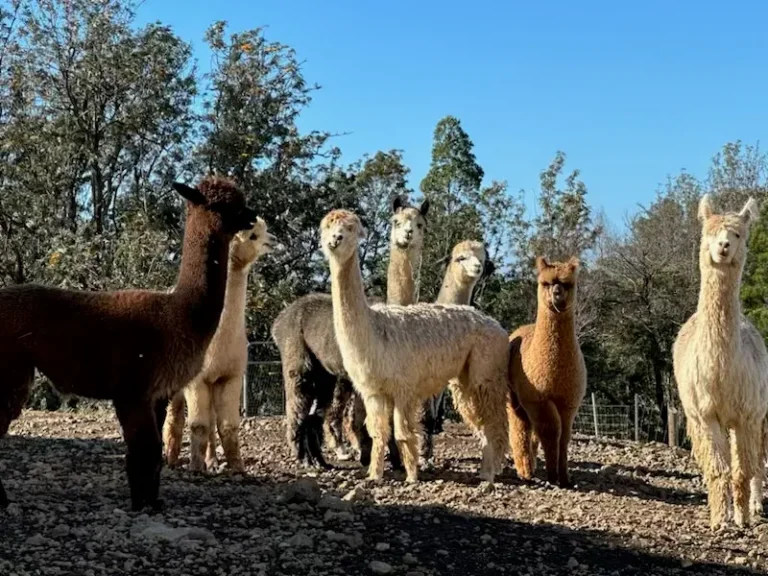
Alpaca animals are domesticated camelids related to llamas.
They are generally raised for fiber, breeding, companionship, farm activities, and other agricultural purposes.
Two types are commonly recognized: Huacaya and Suri.
Huacaya alpacas have dense, crimped fleece that gives them a fluffy appearance.
Suri alpacas have longer locks that hang from the body and often have a noticeable luster.
Although their appearance differs, both types can be valuable additions to a well-managed farm.
The right type depends on your goals.
Why People Choose Alpaca Animals
There are many reasons people become interested in alpaca animals.
For some owners, fleece is the main attraction.
Alpaca fiber can be processed into yarn, clothing, blankets, and other products.
For others, breeding is the priority.
They may want to develop a herd with particular genetic and fleece characteristics.
Some owners simply enjoy having alpacas on their property.
Others develop farms that combine livestock production with educational experiences, farm visits, or fiber-related businesses where appropriate.
The important thing is to know your purpose before buying.
Are Alpaca Animals Good for Beginners?
Alpaca animals can be suitable for beginners who are prepared to learn.
They are not maintenance-free animals.
You still need to understand feeding, fencing, pasture management, health care, shearing, breeding, and basic handling.
However, you do not have to become an expert before getting started.
Start with reliable information.
Talk to experienced breeders.
Visit established farms.
Ask questions.
Learn what normal behavior looks like.
Starting with a manageable herd can also make the learning process much easier.
Choosing the Right Alpaca Animals
Choosing alpaca animals should involve more than looking at a photograph and deciding which one looks best.
A good-looking animal is not necessarily the best fit for your farm.
Think about the animal’s:
- Health
- Age
- Temperament
- Conformation
- Fleece
- Genetics
- Pedigree
- Breeding history
- Registration
- Suitability for your goals
If possible, inspect animals in person before buying.
Seeing them move and interact can tell you things a photograph cannot.
Start With Your Farm Goals
Before purchasing alpaca animals, write down what you actually want your herd to accomplish.
This small step can prevent expensive mistakes.
Are you interested in breeding?
Do you want quality fiber?
Are you planning to sell livestock?
Do you want a small hobby herd?
Are you developing a commercial farm?
Each goal can lead you toward different animals.
There is no universal “best” alpaca.
There is only the alpaca that best fits your particular plans.
Huacaya Alpacas
Huacaya alpaca animals are widely recognized by their dense, fluffy fleece.
The fiber generally grows outward from the body and has a crimped appearance.
For fiber-focused owners, fleece characteristics can be particularly important.
Look at density.
Consider fineness.
Examine uniformity.
Pay attention to crimp and staple characteristics.
Do not judge fleece solely by how fluffy the animal looks from a distance.
A closer examination is much more useful.
Suri Alpacas
Suri alpaca animals are easily distinguished by their longer, hanging locks.
Their fleece can have a beautiful shine.
For someone interested in Suri fiber, lock structure and luster may be particularly important.
As with Huacayas, however, fleece is only one consideration.
Health, conformation, temperament, genetics, and overall suitability still matter.
Choose based on what you want your herd to become.
Looking at Alpaca Health
Health should be one of the first things you evaluate when purchasing alpaca animals.
Look at their general body condition.
Observe how they stand.
Watch them walk.
Pay attention to their behavior.
An animal that seems unusually quiet, weak, or uncomfortable deserves closer attention.
Ask the seller about veterinary history and routine health care.
For significant purchases, having a qualified veterinarian examine an animal can be a sensible step.
Ask for Records
Good records can tell you a great deal about alpaca animals.
Ask about previous veterinary treatments.
Find out what vaccinations have been given.
Ask about previous illnesses.
Request breeding information when applicable.
If the animal is registered, ask for the appropriate documentation.
Keep your own records after the purchase.
Good records become increasingly valuable as your herd grows.
Temperament Matters
Temperament is sometimes forgotten when buyers compare alpaca animals.
It should not be.
You will need to handle your animals eventually.
You may need to move them between paddocks.
You may need to examine them.
They will need to be shorn.
A manageable temperament can make these jobs much easier.
Spend time observing animals before purchasing them.
Ask the breeder how often they have been handled.
Choosing the Right Age
Age can influence your decision when looking at alpaca animals.
Young alpacas are appealing because you get to watch them develop.
However, some characteristics are not fully apparent when an animal is very young.
Mature animals may provide more information about fleece, structure, breeding performance, and temperament.
Neither is automatically the better option.
The right choice depends on your goals and budget.
Buying Alpaca Crias
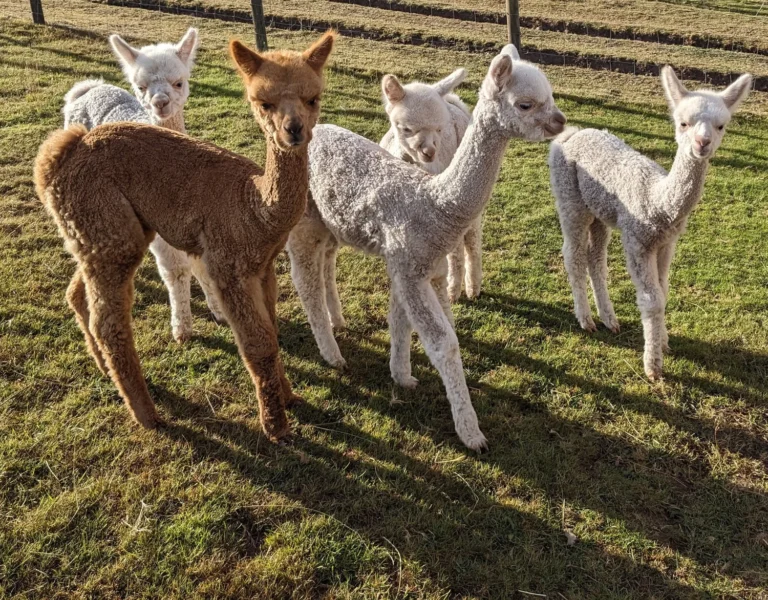
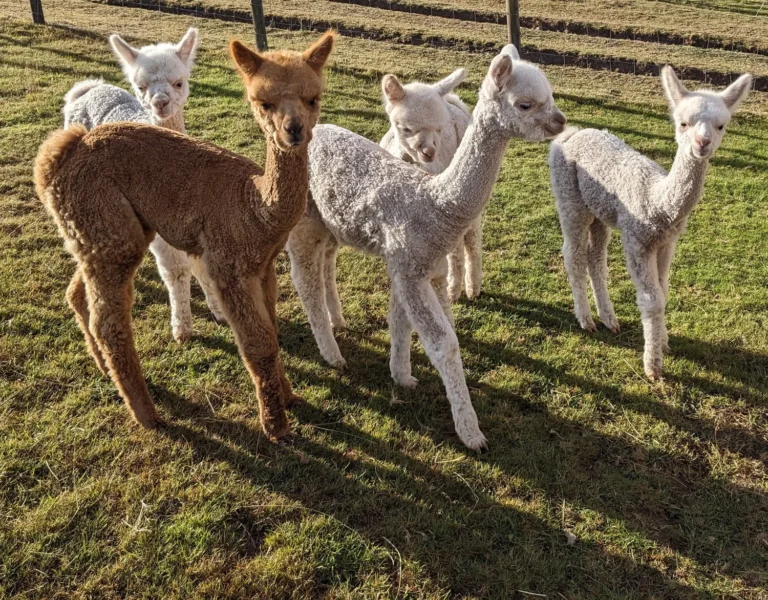
Young alpaca animals are commonly called crias.
They can be an exciting addition to a farm.
Their development can also be fascinating to watch.
But young animals require careful observation.
Pay attention to feeding and behavior.
Monitor their growth.
Maintain appropriate veterinary care.
If a cria appears weak or unwell, seek professional veterinary advice promptly.
Buying Mature Alpaca Animals
Mature alpaca animals can be particularly useful for buyers who want more information before purchasing.
You may be able to see their mature fleece.
You may have access to previous breeding records.
You can evaluate their physical structure more clearly.
If they have produced offspring, that information may also help you evaluate their breeding value.
Again, individual quality matters more than age alone.
Understanding Alpaca Genetics
Genetics become increasingly important as your interest in alpaca animals develops.
If you are breeding, ask yourself what you want to improve.
Maybe you want finer fleece.
Perhaps you want greater density.
Maybe you are focused on conformation.
Color could be important to your program.
Whatever your goal, write it down.
Clear goals make breeding decisions easier.
Why Pedigrees Matter
A pedigree can provide useful background information about alpaca animals.
It may show parents and other ancestors.
This information can help breeders understand bloodlines and plan future matings.
However, a pedigree should not be viewed in isolation.
A documented family tree does not replace evaluating the actual animal.
Look at the animal in front of you.
Then consider its background.
Preparing Your Property
Your property should be ready before alpaca animals arrive.
This includes fencing, water, shelter, pasture, feeding areas, and a safe place for handling.
Preparation makes the transition much easier.
Walk around your property before purchasing animals.
Look for weak fence sections.
Check gates.
Identify muddy areas.
Consider where animals will go during extreme weather.
A few hours of preparation can prevent many headaches later.
Fencing for Alpaca Animals
Good fencing is essential for managing alpaca animals.
Your fences should create safe boundaries and allow you to manage groups when necessary.
You may eventually need separate areas for males, females, young animals, or new arrivals.
Inspect fences regularly.
Look for loose wires, damaged sections, broken posts, and gaps.
Do not wait for an animal to escape before discovering a problem.
Water Requirements
Clean water is one of the most basic requirements for alpaca animals.
Water containers should be checked regularly.
Keep them clean.
Make sure animals can access them easily.
Pay extra attention during periods of extreme weather.
If your water supply depends on electricity or mechanical equipment, think about a backup solution.
A dependable water system is one less thing to worry about.
Shelter and Shade
Suitable shelter protects alpaca animals from difficult weather conditions.
The exact setup depends on your climate.
A shelter should provide appropriate protection while allowing adequate airflow.
It should also be easy to clean.
You do not need to build an elaborate barn.
A practical shelter that works well is often more valuable than an expensive structure that is difficult to maintain.
Pasture Management
Pasture can provide an important source of forage for alpaca animals.
But pasture management takes planning.
Avoid allowing animals to repeatedly overgraze the same small area.
Monitor drainage.
Watch for muddy conditions.
Consider dividing larger areas into paddocks where appropriate.
Good pasture management benefits both the animals and the land.
Feeding Alpaca Animals
Nutrition is one of the most important parts of caring for alpaca animals.
Their diet should be based on suitable forage and the nutritional conditions of your property.
Hay may become especially important when pasture is unavailable or insufficient.
Some animals may require additional nutritional support depending on their age, condition, reproductive status, or other circumstances.
Avoid making sudden dietary changes.
For specific feeding plans, consult a veterinarian or qualified livestock nutrition professional.
Hay Storage
If you keep alpaca animals, plan your hay storage ahead of time.
Hay needs to be protected from unnecessary moisture and contamination.
Think about how much you need during periods when pasture is limited.
Also consider accessibility.
A hay storage area that is difficult to reach can become a daily frustration.
Good organization saves time.
Minerals and Supplements
Some alpaca animals may require additional minerals depending on their diet and local conditions.
However, supplements should not simply be given because they seem beneficial.
Nutritional needs vary.
Too much of a particular nutrient can also cause problems.
Discuss supplementation with a qualified veterinarian or livestock nutrition professional familiar with your circumstances.
Learning Alpaca Behavior
Understanding normal behavior makes managing alpaca animals much easier.
Spend time with your herd.
Watch how they move.
Notice how they interact.
Learn their normal eating patterns.
Pay attention to changes.
When you know what normal looks like, unusual behavior is easier to recognize.
Sometimes a small change is the first indication that an animal needs attention.
Keeping Alpaca Animals in Groups
Alpacas are social animals.
When planning your herd, consider their social needs.
A group can behave differently from an individual animal.
Think carefully before keeping an alpaca completely alone.
If you are unsure about the best arrangement, speak with an experienced alpaca breeder or veterinarian.
Alpaca Health Management
Every owner should have a health plan for their alpaca animals.
Build a relationship with a veterinarian who is familiar with alpacas or camelid livestock.
Discuss routine examinations.
Ask about parasite management.
Learn about recommended vaccinations for your area.
Maintain treatment records.
Do not wait until an animal is seriously ill before establishing veterinary support.
Quarantine New Animals
If you already have a herd, discuss quarantine procedures with your veterinarian before introducing new alpaca animals.
A new animal can appear perfectly healthy while still presenting a potential health risk to an established herd.
A suitable quarantine plan can reduce that risk.
The exact procedure should be based on professional veterinary advice and your farm’s circumstances.
Shearing Alpaca Animals
Shearing is a normal part of managing many alpaca animals.
It is usually best to work with an experienced professional.
Prepare your animals and equipment ahead of time.
Have a clean area ready.
Plan how fleece will be collected and stored.
If fiber is part of your business, label fleece carefully so you know which animal produced it.
Good organization can make the difference between a chaotic shearing day and a smooth one.
Making Use of Alpaca Fiber
One reason people keep alpaca animals is the value and versatility of their fleece.
Raw fleece can eventually become processed fiber.
It may be turned into yarn or other products.
Some farms sell raw fiber.
Others work with processors and create finished goods.
Before investing heavily, research your target market.
Processing costs can add up quickly.
A profitable fiber business requires more than simply producing fleece.
Breeding Alpaca Animals
Breeding alpaca animals should be approached as a long-term project.
Do not breed simply because you have a male and female available.
Think about the traits you want in future offspring.
Study bloodlines.
Evaluate conformation.
Consider fleece characteristics.
Review previous offspring when available.
Keep accurate records.
A thoughtful breeding strategy can gradually improve the quality and consistency of your herd.
Choosing Breeding Stock
Good breeding alpaca animals should fit your specific breeding objectives.
Do not assume the most expensive animal is automatically the best choice.
Look at the complete picture.
Consider genetics.
Consider health.
Consider structure.
Consider fleece.
Consider temperament.
Consider reproductive history where applicable.
The goal is improvement, not simply accumulation.
Caring for Pregnant Females
Pregnant alpaca animals deserve careful monitoring.
Maintain appropriate nutrition.
Keep the environment clean and safe.
Monitor behavior.
Maintain communication with your veterinarian.
Before breeding, make sure you understand what to expect during pregnancy and around birth.
If something does not appear normal, professional advice is preferable to guessing.
Caring for Young Alpaca Animals
Young alpaca animals can be particularly vulnerable.
Monitor them closely.
Observe feeding.
Watch their activity.
Keep track of growth and development.
A young animal that becomes unusually weak or inactive should receive prompt attention.
Your veterinarian can help you establish an appropriate care plan.
Understanding Alpaca Costs
Before purchasing alpaca animals, prepare a realistic budget.
The purchase price is only the beginning.
You may also need to pay for:
- Feed
- Hay
- Veterinary care
- Shearing
- Fencing
- Shelter
- Water systems
- Transportation
- Equipment
- Property maintenance
Unexpected expenses are part of livestock ownership.
Leaving room in your budget for surprises is sensible.
Can Alpaca Animals Be Profitable?
Alpaca animals can potentially provide several income opportunities.
Some farms sell breeding stock.
Others market fiber.
Some create finished fiber products.
Certain farms also offer educational experiences or farm visits where appropriate.
But profitability is never guaranteed.
Your costs, management practices, herd quality, marketing, customer base, and business model all matter.
If income is your goal, create a proper business plan.
Selling Alpaca Animals
If you eventually decide to sell alpaca animals, reputation matters.
Give buyers accurate information.
Provide clear photographs.
Keep records organized.
Describe animals honestly.
Include relevant pedigree and health information.
Be transparent about limitations.
A buyer who feels respected is more likely to recommend your farm to someone else.
Marketing Your Alpaca Farm
A website can help you market alpaca animals to potential buyers.
Create individual listings.
Include photographs from different angles.
Explain age, sex, color, registration, pedigree, and other relevant information.
Keep listings current.
Remove animals that have already been sold.
Make contact information easy to find.
Good communication can turn an online visitor into a serious buyer.
Local SEO for Alpaca Farms
People researching alpaca animals may use several different search phrases.
For example:
- Alpacas for sale near me
- Alpaca farms near me
- Alpaca breeders near me
- Baby alpacas for sale
- Registered alpacas for sale
- Huacaya alpacas for sale
- Suri alpacas for sale
- Alpaca livestock for sale
Creating helpful content around these searches can bring relevant visitors to your website.
The key is usefulness.
Do not simply repeat the same phrase in every sentence.
Answer the questions real buyers are asking.
Common Mistakes New Owners Make
New owners sometimes make avoidable mistakes with alpaca animals.
One common mistake is buying animals before preparing the property.
Another is choosing animals entirely because they look attractive.
Some buyers fail to check records.
Others underestimate ongoing costs.
Some start with too many animals.
The best approach is slower and more deliberate.
Prepare first.
Learn first.
Then purchase.
Start With a Manageable Herd
You do not need dozens of alpaca animals to begin learning.
Starting small can actually be beneficial.
You will have time to understand your daily routine.
You can learn how much feed you use.
You can become comfortable handling animals.
You can discover which fleece traits interest you.
You can build relationships with local professionals.
Then you can expand when the time is right.
Frequently Asked Questions
What are alpaca animals used for?
Alpaca animals are commonly raised for fiber, breeding, livestock sales, farm activities, and companionship. The best purpose depends on the owner’s goals.
Are alpacas difficult to care for?
They can be manageable when properly prepared for, but they still require suitable nutrition, clean water, shelter, fencing, routine health care, and shearing.
What is the difference between Huacaya and Suri alpacas?
Huacaya alpaca animals generally have dense, crimped fleece, while Suri alpacas have longer, hanging locks with distinctive luster.
What should I check before buying alpacas?
Check health, temperament, age, conformation, fleece, genetics, pedigree, registration, breeding history, and the seller’s management practices.
Can alpacas live on grass alone?
Their nutritional needs depend on forage quality and individual circumstances. Pasture may be an important part of the diet, but additional forage or nutrition may be necessary. Consult a qualified professional for a specific feeding program.
How often do alpacas need to be shorn?
Shearing schedules vary based on climate, fleece growth, and management practices. An experienced shearer can help determine an appropriate schedule.
Are alpacas good farm animals?
Yes, they can be excellent farm animals for owners who understand their needs and provide appropriate care.
How many alpacas should a beginner buy?
There is no universal number. A beginner should choose a herd size that their land, facilities, finances, and experience can comfortably support.
Can alpaca fiber be sold?
Yes. Depending on quality and market demand, owners may sell raw fleece, processed fiber, yarn, or finished products.
Are registered alpacas worth considering?
Registration can be useful for breeding and record keeping. However, buyers should evaluate the actual animal rather than relying on registration alone.
Final Thoughts
Keeping alpaca animals can become much more than simply owning unusual livestock.
It can become a farm business.
It can become a breeding program.
It can become a fiber project.
Or it can simply become something you genuinely enjoy doing.
The important thing is to start with realistic expectations.
Learn what the animals need.
Prepare your property.
Find reliable livestock professionals.
Visit experienced breeders.
Ask plenty of questions.
When buying, look beyond photographs and asking prices.
A healthy, suitable animal from a responsible breeder is generally a much better investment than an impulse purchase.
As your experience grows, your eye will become sharper.
You will begin to recognize differences in fleece.
You will understand conformation better.
You will become more comfortable evaluating pedigrees.
You will learn which traits actually matter to your own herd.
Most importantly, you will understand your animals better.
That experience cannot be rushed.
Take your time.
Build your herd carefully.
Keep good records.
Look after your land.
And give your alpaca animals the consistent care they deserve.
A successful alpaca operation is built one animal, one decision, and one day at a time.