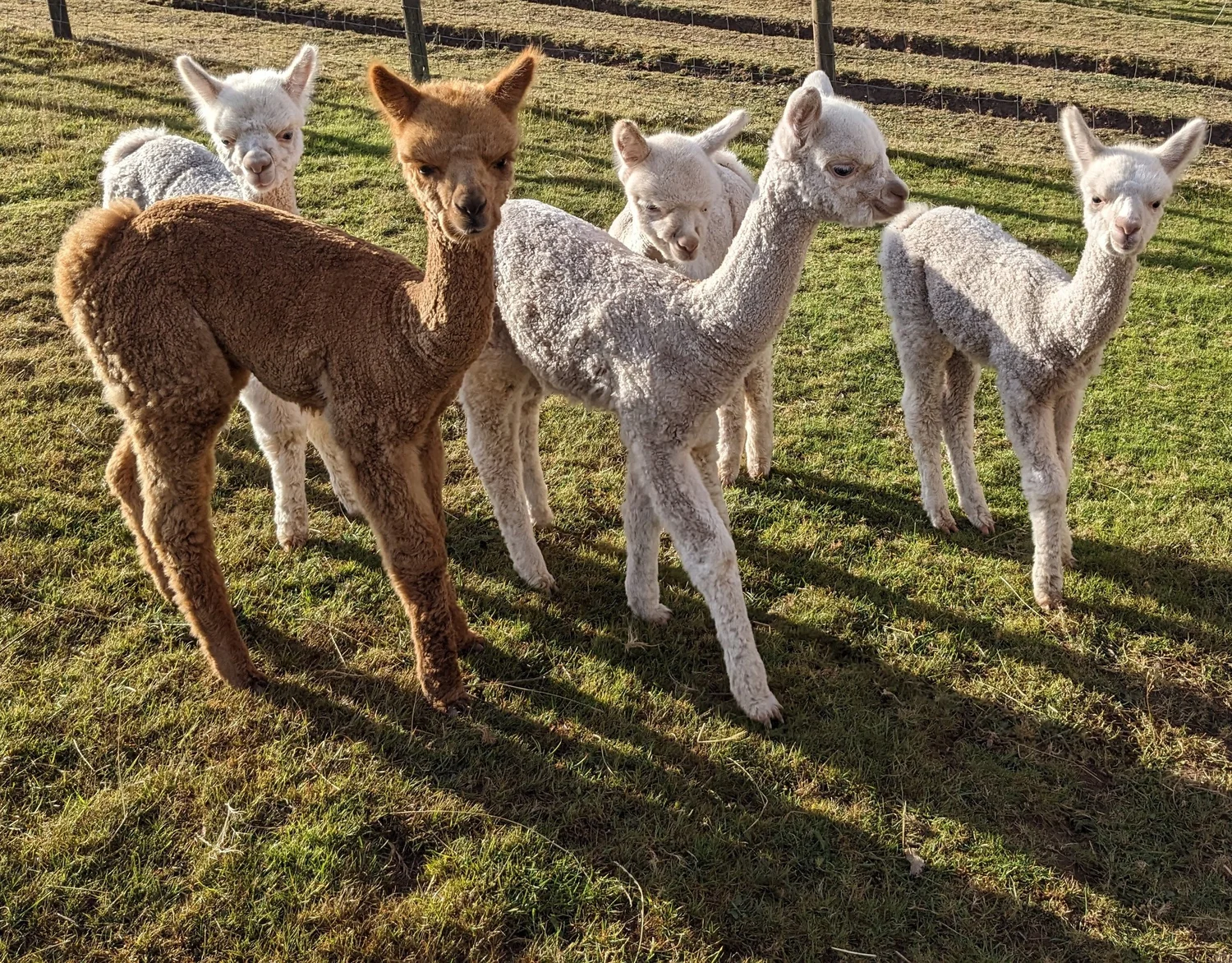
Alpaca Animals for Sale: How to Choose Healthy Alpacas for Your Farm
Buying livestock is exciting.
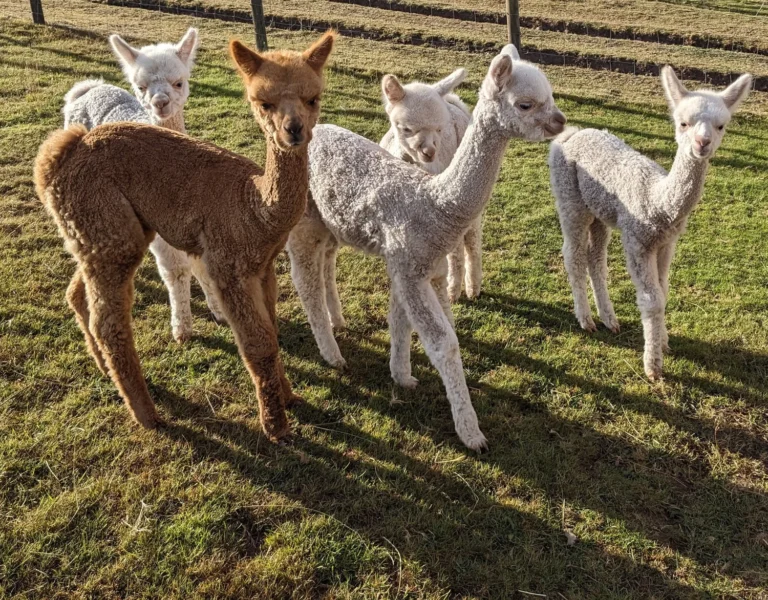
There is something completely different about visiting a farm, walking through a pasture, and seeing a group of alpacas watching you with those curious expressions.
But when you start looking at alpaca animals for sale, it is easy to get carried away.
One alpaca may have beautiful fleece.
Another may have an impressive pedigree.
Another may simply have the personality you like.
The challenge is figuring out which animal actually belongs on your farm.
That decision deserves more thought than simply choosing the alpaca with the best photograph.
Healthy animals, suitable genetics, good records, manageable temperament, and a reliable seller can make a major difference to your experience.
Whether you are buying your first alpaca or expanding an established herd, this guide will help you approach alpaca animals for sale with a clearer plan.
What to Know Before Buying Alpacas
Before you begin comparing alpaca animals for sale, decide why you want alpacas in the first place.
This sounds simple.
It is not.
Your reason for buying will influence the animals you should consider.
Someone interested in fleece may care deeply about fiber characteristics.
Someone starting a breeding program will probably focus more heavily on genetics and reproductive history.
A small family farm may place greater importance on temperament and ease of handling.
There is no wrong reason to own alpacas.
The important thing is knowing your own reason.
Are You Looking for Breeding Stock?
If breeding is your goal, be particularly selective when comparing alpaca animals for sale.
Look beyond the individual animal.
Study its parents.
Look at available pedigree information.
Ask about previous offspring.
Consider conformation.
Examine fleece characteristics.
You are not simply buying one animal.
You may be buying the foundation of a future breeding program.
That makes the decision much more important.
Are You Interested in Fiber?
Many buyers discover alpaca animals for sale because they are interested in alpaca fiber.
Alpaca fleece can be used in a wide range of textile products.
However, not every animal produces the same type or quality of fleece.
When fiber matters, learn about characteristics such as fineness, density, uniformity, staple length, crimp, and lock structure.
Ask the breeder for information about previous fleeces whenever possible.
Understanding Huacaya and Suri Alpacas
Two major types appear frequently when researching alpaca animals for sale: Huacaya and Suri.
They look different.
They also produce different types of fleece.
Huacaya Alpacas
Huacaya fleece is generally dense and has a crimped appearance.
This type is common in fiber-oriented breeding programs.
Suri Alpacas
Suri fleece forms longer locks and is known for its distinctive luster.
Both types have their own advantages.
The better option depends on your goals.
How to Evaluate an Alpaca
A photograph can be useful when browsing alpaca animals for sale, but photographs should only be the beginning.
Whenever possible, see the animal in person.
Watch it walk.
Observe its behavior.
Look at its body condition.
Examine the fleece.
Ask questions.
You want to understand the complete animal rather than making a decision based on appearance alone.
Start With Health
Health should be one of the first things you consider when looking at alpaca animals for sale.
An animal should appear alert and comfortable.
Pay attention to how it stands and moves.
Look at its general body condition.
Ask about veterinary care and health history.
If the purchase represents a significant investment, consider arranging an examination by a qualified veterinarian before completing the sale.
A professional assessment can provide valuable peace of mind.
Ask for Health Records
Reliable records can make purchasing alpaca animals for sale much easier.
Ask the seller about:
- Vaccinations
- Veterinary visits
- Treatments
- Previous illnesses
- Identification
- Breeding history
- Other relevant health information
Do not be afraid to ask questions.
A serious buyer needs information.
A responsible seller should understand that.
Pay Attention to Temperament
Temperament can be overlooked when people search for alpaca animals for sale.
That is a mistake.
You will interact with your alpacas regularly.
You will need to move them.
You may need to trim, shear, examine, or treat them.
A manageable animal can make these jobs considerably easier.
Spend a few minutes observing how the animal reacts to people.
Ask the breeder whether it has been handled regularly.
Consider the Animal’s Age
Age is another important factor when evaluating alpaca animals for sale.
Young alpacas can be exciting purchases.
They offer the opportunity to watch development over time.
However, younger animals may have less proven performance.
Mature animals can provide more information about fleece, breeding ability, conformation, and general development.
Neither option is automatically better.
The right choice depends on what you want to accomplish.
Buying Young Alpacas
Young alpaca animals for sale can appeal to buyers who want to build a herd gradually.
Crias are especially popular.
They are curious and often become the center of attention on the farm.
But remember that a young alpaca still has plenty of growing to do.
Some characteristics become clearer with maturity.
Ask about the parents and family line.
Learn as much as you can before making the purchase.
Buying Mature Alpacas
Mature alpaca animals for sale can be particularly interesting for buyers who want more information before committing.
You may be able to review previous fleece.
You may have access to breeding history.
You can evaluate mature conformation.
There may also be offspring to examine.
Proven performance can be valuable.
Still, never assume that an older animal is automatically better.
Evaluate the individual.
Why Genetics Matter
Genetics become increasingly important when purchasing alpaca animals for sale for breeding.
Think about the traits you want to strengthen in your herd.
Perhaps you want improved fleece.
Maybe you want better density.
You might be interested in conformation, color, or reproductive performance.
Your breeding objective should guide your purchase.
A pedigree is useful, but it is only one piece of the puzzle.
Understanding Pedigrees
Pedigrees can help explain the background of alpaca animals for sale.
They may provide information about parents and other ancestors.
This can be useful when planning future breeding decisions.
If registration is important to you, verify the documentation before completing the transaction.
Keep copies of all relevant records.
Good paperwork becomes increasingly valuable as your herd grows.
Look at Conformation
Conformation refers to the animal’s overall physical structure.
When comparing alpaca animals for sale, look at how the animal stands and moves.
Observe its proportions.
Pay attention to its legs and general structure.
If you are new to alpacas, ask an experienced breeder or knowledgeable professional to explain what you should be looking for.
You do not need to become an expert overnight.
You simply need to keep learning.
Examine the Fleece
Fleece is often one of the main attractions when shopping for alpaca animals for sale.
But an impressive-looking coat does not tell the whole story.
Depending on your goals, examine:
- Fineness
- Density
- Crimp
- Staple length
- Uniformity
- Luster
- Lock structure
Huacaya and Suri fleece should be evaluated differently.
If possible, examine actual fleece samples rather than relying entirely on photographs.
Ask About Fleece History
If fiber is important to your plans, ask about the animal’s previous fleece when evaluating alpaca animals for sale.
Has the animal been shorn before?
Are records available?
Has the fleece been measured or evaluated?
Does the breeder retain samples?
Historical information can help you make a better-informed decision.
One attractive fleece photograph does not necessarily tell you what the animal will produce year after year.
Finding a Reputable Breeder
The seller matters almost as much as the animal when searching for alpaca animals for sale.
Look for breeders who are willing to discuss their animals openly.
Ask about their breeding philosophy.
Ask how they manage health.
Ask what they feed.
Ask why a particular animal is available.
You should feel comfortable asking questions.
A good breeder does not need to pressure you into making a decision.
Visit the Farm Before Buying
If you can, visit the farm where the alpaca animals for sale are located.
This gives you an opportunity to see much more than an individual animal.
Look at the herd.
Look at the pasture.
Look at the shelters.
Look at the fencing.
Observe how animals behave around people.
You will often learn a great deal simply by spending time on the property.
What to Look for During a Farm Visit
When visiting a seller of alpaca animals for sale, pay attention to the overall condition of the operation.
Are the animals reasonably clean and comfortable?
Is water available?
Are fences maintained?
Are shelters practical?
Does the breeder appear knowledgeable?
You are not looking for perfection.
Farms are working environments.
You are looking for signs of responsible management.
Ask Why the Alpaca Is Being Sold
This is a simple question that can provide useful information about alpaca animals for sale.
There are many legitimate reasons for selling an alpaca.
A breeder may be reducing herd size.
They may be changing their breeding direction.
They may be making room for younger animals.
They may be retiring an animal.
The reason itself is not necessarily a problem.
The important thing is to understand the situation.
Registered Alpacas
Some buyers specifically search for registered alpaca animals for sale.
Registration may be particularly useful for people developing breeding programs.
Ask to see documentation.
Verify identification.
Make sure the paperwork corresponds to the animal you are purchasing.
Registration can be valuable, but it should not replace evaluation of health, genetics, fleece, or conformation.
Preparing Your Farm
Do not wait until your alpaca animals for sale have arrived before preparing your property.
Have the basics ready.
That includes secure fencing, reliable water, appropriate shelter, feeding areas, and safe handling arrangements.
Preparation makes the arrival much less stressful.
It also gives you time to identify problems before animals are involved.
Fencing for Alpacas
Secure fencing is important for alpaca animals for sale once they arrive at your property.
Inspect your boundaries.
Check gates.
Look for gaps.
Consider how you will separate animals when necessary.
You may eventually need separate areas for males, females, young animals, new arrivals, or animals requiring special attention.
A well-planned paddock system can save a lot of work later.
Providing Reliable Water
Clean water should always be part of your plan for alpaca animals for sale.
Check troughs regularly.
Keep them clean.
Monitor water access during extreme weather.
If your water system depends on pumps or electricity, consider what happens if the system fails.
A backup plan is worth considering.
Shelter and Shade
Suitable shelter is another essential consideration when bringing alpaca animals for sale home.
The best arrangement depends on your local weather.
Shelters should provide appropriate protection while maintaining ventilation.
They should also be easy to clean.
You do not need a fancy building.
You need a safe, practical space that works for the animals and the people caring for them.
Feeding Your Alpacas
Before buying alpaca animals for sale, ask the seller about the current diet.
Find out what forage they receive.
Ask about hay.
Ask about minerals or supplements.
This information can help you avoid sudden changes after arrival.
Any significant nutritional changes should be approached carefully.
For individual feeding recommendations, consult a veterinarian or qualified livestock nutrition professional.
Hay Storage
If you plan to keep alpaca animals for sale after purchasing them, think about hay storage before winter or periods of limited pasture.
Hay should be kept in a dry, suitable location.
It should also be easy to access.
Calculate approximately how much storage you may need based on your herd size and local conditions.
Running out of hay at the wrong time can turn into a major headache.
Routine Health Care
Every owner should have a plan for maintaining the health of their alpaca animals for sale.
Build a relationship with a veterinarian familiar with alpacas or camelid livestock.
Discuss routine care.
Keep health records.
Monitor animals regularly.
Learn what normal behavior looks like.
When you know your animals well, unusual changes become easier to notice.
Quarantine New Arrivals
If you already have a herd, talk to your veterinarian about quarantining new alpaca animals for sale before introducing them to your existing animals.
The exact procedure depends on your circumstances.
The purpose is to reduce the risk of bringing health problems into an established herd.
Do not skip this step simply because a new animal looks healthy.
Shearing and Fleece Management
Shearing is an important part of managing many alpaca animals for sale once they become part of your herd.
Work with an experienced shearer.
Prepare the area beforehand.
Have a system for collecting and labeling fleece.
If you plan to sell fiber, keep each animal’s fleece information organized.
Good organization can make processing and marketing much easier.
Starting an Alpaca Breeding Program
Breeding alpaca animals for sale can be rewarding, but it requires a long-term mindset.
Do not breed simply because you have male and female animals.
Set clear goals.
Study genetics.
Review pedigrees.
Evaluate conformation and fleece.
Keep records of offspring.
Over time, you will learn which breeding decisions produce the results you want.
Building a Quality Herd
A strong herd of alpaca animals for sale is not necessarily the largest herd.
Quality and suitability matter.
A smaller group of carefully selected animals may be easier to manage than a large collection of animals with no clear purpose.
As your experience grows, you can gradually become more selective.
Know what you are trying to improve.
The Business Side of Alpaca Ownership
If you plan to sell alpaca animals for sale as part of a business, treat the farm like a business from the beginning.
Track expenses.
Keep sales records.
Record breeding information.
Maintain customer information appropriately.
Budget for feed and veterinary costs.
Do not assume that livestock sales alone will automatically make the operation profitable.
A successful farm requires planning.
Understanding Alpaca Prices
The price of alpaca animals for sale can vary significantly.
Factors may include:
- Age
- Sex
- Genetics
- Registration
- Fleece characteristics
- Breeding history
- Conformation
- Color
- Location
- Proven performance
Never compare two animals based solely on price.
Ask what you are actually receiving for the money.
Don’t Choose the Cheapest Animal
A low price can make certain alpaca animals for sale look attractive.
But purchase price is only one part of ownership.
You will also pay for feed, veterinary care, shearing, transportation, fencing, shelter, and other expenses.
The cheapest animal may not be the best value.
Think about the animal’s long-term suitability.
Marketing Alpacas Online
If you eventually plan to offer alpaca animals for sale, online marketing can help you reach potential buyers.
Use clear photographs.
Write honest descriptions.
Include useful information.
Show pedigrees where appropriate.
Explain fleece characteristics.
Make it easy for people to contact you.
Avoid exaggerated claims.
Good livestock marketing is based on trust.
Local SEO for Alpaca Sellers
People searching for alpaca animals for sale may also search for phrases such as:
- Alpacas for sale near me
- Alpaca breeders near me
- Alpaca farm near me
- Baby alpacas for sale
- Registered alpacas for sale
- Huacaya alpacas for sale
- Suri alpacas for sale
Creating useful pages around these topics can help potential buyers discover your farm.
Do not simply repeat keywords.
Give visitors real information.
Common Buying Mistakes
There are several mistakes buyers make when looking at alpaca animals for sale.
Buying from a photograph alone
Photos are useful, but they do not replace an in-person evaluation.
Buying without records
Health and pedigree information can be important.
Choosing only by price
Cheap does not necessarily mean good value.
Buying too many animals
Start at a manageable scale.
Ignoring transportation
Plan how animals will reach your farm safely.
Forgetting ongoing costs
The purchase is only the beginning.
Start Small
You do not need a huge herd to enjoy raising alpaca animals for sale.
Starting small can actually be an advantage.
It gives you time to learn.
You can understand feeding routines.
You can learn how to manage pasture.
You can develop relationships with local professionals.
You can discover which traits matter most to you.
Then you can expand when your experience and resources allow.
Frequently Asked Questions
Where can I find alpaca animals for sale?
Start by researching established breeders, local alpaca farms, livestock networks, and reputable farm websites. Whenever possible, visit the seller and inspect animals in person.
What should I look for when buying an alpaca?
Focus on health, temperament, age, conformation, fleece, genetics, registration, breeding history, and whether the animal fits your long-term goals.
How much do alpacas cost?
Prices vary depending on genetics, age, registration, fleece, breeding history, location, and other characteristics. Compare the overall value rather than focusing only on the asking price.
Are alpacas good livestock for beginners?
They can be, provided beginners prepare properly and learn about nutrition, fencing, shelter, health care, shearing, and general livestock management.
Should I buy Huacaya or Suri alpacas?
It depends on your goals. Huacaya and Suri animals have different fleece characteristics, so consider what you want your herd to produce.
Are registered alpacas better?
Registration can be useful for breeding and record keeping, but it does not automatically mean an animal is healthier or better suited to your farm.
Should I buy a young or mature alpaca?
Both can have advantages. Young animals offer future potential, while mature animals may provide more information about fleece, conformation, and breeding performance.
How many alpacas should I start with?
There is no universal number. Start with a herd size your land, facilities, budget, and experience can comfortably support.
Can alpaca farming be profitable?
It can potentially generate income through livestock sales, breeding, fiber, finished products, and other farm activities. Profitability depends on management, costs, quality, and market demand.
Should I visit a breeder before buying?
Absolutely. Seeing the animals, facilities, records, and general management practices firsthand can help you make a much better purchasing decision.
Final Thoughts
Finding the right alpaca animals for sale is about much more than finding an attractive animal at an attractive price.
Take your time.
Ask questions.
Visit farms.
Study records.
Look at health.
Think about genetics.
Consider your property.
Calculate the ongoing costs.
Most importantly, know what you want to accomplish before you buy.
If your goal is breeding, choose animals that fit your long-term genetic direction.
If fiber is your priority, learn how to evaluate fleece.
If you are building a small hobby farm, focus on healthy, manageable animals and practical facilities.
There is no need to rush.
The right alpaca animals for sale will still be worth finding when you have done your homework.
And once your animals arrive, remember that the purchase is only the beginning.
Good alpaca ownership is built through consistent care, observation, patience, and learning.
Start with a manageable herd.
Keep accurate records.
Build relationships with experienced breeders and veterinary professionals.
Take care of your land.
Take care of your animals.
Over time, those simple habits can turn a few alpacas into a well-managed and rewarding farm operation.