Alpaca Cria for Sale: What Smart Buyers Should Know Before Bringing One Home
Finding the right young alpaca can be exciting.
There is something special about seeing a cria standing beside its mother, still growing into the animal it will eventually become. For first-time buyers, however, that excitement can sometimes make it easy to overlook the practical side of the purchase.
If you are searching for an alpaca cria for sale, take your time.
A young alpaca is not simply a smaller version of an adult. Its future size, fleece, structure, breeding potential, and temperament are still developing.
That makes the breeder, parents, health history, and management practices especially important.
The good news is that you do not need to be an experienced alpaca breeder to make a sensible decision.
You simply need to know what questions to ask.
You also need to understand what you are buying and what the cria will need once it arrives at your property.
This guide takes a practical approach to finding an alpaca cria for sale, evaluating the animal, comparing breeders, preparing your farm, and avoiding common mistakes.
Why Are Alpaca Crias So Popular?
Young alpacas are naturally appealing.
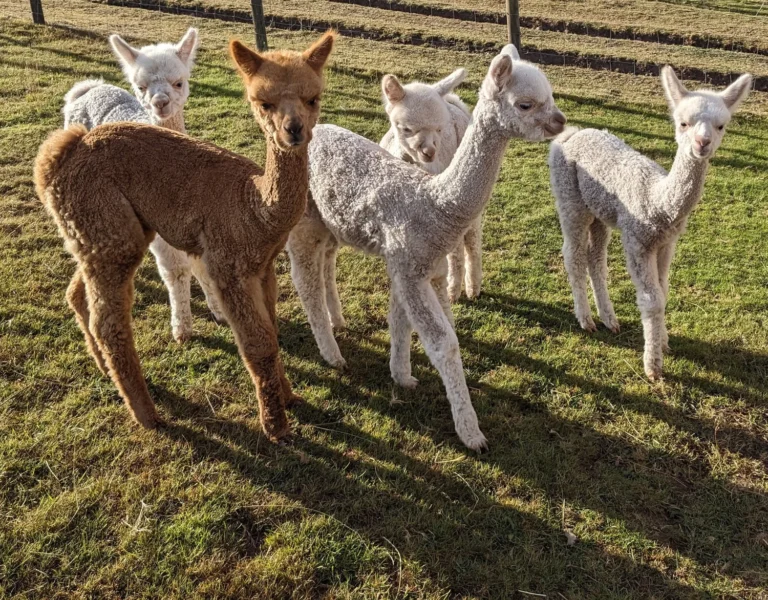
They are smaller, curious, and often have the soft, fluffy appearance that attracts people to alpaca farming in the first place.
But an alpaca cria for sale can represent more than an attractive addition to a pasture.
A well-bred cria may become a future fiber producer, breeding animal, or foundation member of a growing herd.
That is why buyers should look beyond appearance.
The cute factor is real.
It just should not be the only factor guiding your decision.
Start With Your Reason for Buying
Before looking through listings for an alpaca cria for sale, decide what you want the animal to become.
Are you interested in fiber?
Are you starting a breeding program?
Do you want to expand an existing herd?
Are you looking for a young animal for a small farm?
Your answer will influence the type of cria you should consider.
For example, a buyer interested primarily in fiber may pay close attention to the parents’ fleece characteristics.
Someone building a breeding program may spend considerably more time studying pedigree and genetics.
A hobby farmer may put greater emphasis on health, temperament, and ease of management.
There is no universal answer.
The best alpaca cria for sale is the one that fits your particular purpose.
What Exactly Is a Cria?
The word “cria” is commonly used for a young alpaca.
Because the animal is still developing, buyers need to be realistic about what can and cannot be predicted.
A breeder can provide information about the cria’s parents and family.
They can describe current fleece characteristics.
They can explain growth and health history.
But no honest breeder can guarantee every aspect of an adult animal’s future.
That is important to remember when evaluating an alpaca cria for sale.
You are buying potential.
You are not buying a finished product.
The Breeder Matters
One of the most important parts of finding an alpaca cria for sale is finding the right breeder.
A responsible breeder should know their animals.
They should be able to discuss the sire and dam.
They should understand the cria’s health history.
They should be willing to answer reasonable questions.
They should also be honest about both strengths and limitations.
That last point matters.
Nobody expects every animal to be perfect.
A breeder who can openly explain an animal’s characteristics may be more trustworthy than someone who makes exaggerated promises about every cria they sell.
Visit the Farm if You Can
Photographs can help you create a shortlist.
A farm visit can tell you much more.
When inspecting an alpaca cria for sale, look at the environment in which it has been raised.
Observe the mother.
Look at other young animals.
Check the general condition of the herd.
Look at water sources.
Look at shelter.
Pay attention to fencing and pasture.
You are not looking for a luxury farm.
You are looking for evidence of responsible livestock management.
Look at the Mother
When considering an alpaca cria for sale, the dam deserves serious attention.
The mother can provide useful information about the cria’s family background, physical development, temperament, and maternal environment.
Ask about her health history.
Ask about previous crias.
Ask about her breeding record if relevant.
Look at her overall condition.
If possible, examine her fleece as well.
A cria does not exist in isolation.
Its family tells part of the story.
Study the Sire
The sire is equally important when evaluating an alpaca cria for sale.
Ask about his pedigree.
Ask what traits he is known for.
Ask whether he has produced other offspring.
If offspring are available to view, that can provide useful context.
For breeding buyers, the sire may be especially important because genetics can influence characteristics across generations.
Do not choose a cria simply because the father has an impressive name.
Understand what traits he actually contributes.
Evaluate Health First
The most attractive alpaca cria for sale is not necessarily the best purchase.
Health should come first.
Look at the animal’s alertness.
Watch how it moves.
Observe its interaction with its surroundings.
Look at body condition.
Ask about veterinary history.
Ask whether the cria has experienced any health problems.
You should not expect to diagnose illness yourself.
If you have concerns, ask an experienced veterinarian to assess the animal before purchase.
Watch the Cria Move
Movement can reveal things that photographs cannot.
Ask the breeder to allow you to watch the alpaca cria for sale walking.
Look at the legs.
Observe balance.
Watch the animal from different angles.
Look for obvious discomfort or lameness.
This is especially useful if you are considering the cria as future breeding stock.
Good structure is worth paying attention to early.
Body Condition and Growth
A healthy cria should be evaluated in the context of its age.
When examining an alpaca cria for sale, ask how it has been growing.
Ask whether the breeder keeps weights or growth records.
Find out what it currently eats.
Ask about its mother’s condition and milk production if appropriate.
Do not compare two crias simply by size.
Age, genetics, nutrition, and individual development can all influence growth.
Examine the Fleece
For many buyers, fleece is a major reason for purchasing an alpaca cria for sale.
But remember that a cria’s fleece will continue to develop.
Look at what is visible today.
Then investigate what is behind it.
Ask about the sire’s fleece.
Ask about the dam’s fleece.
Ask about siblings.
Find out whether the breeder keeps fleece records or has arranged professional testing.
Useful characteristics may include:
- Fineness
- Density
- Crimp
- Uniformity
- Staple characteristics
- Luster
- Color
The most important traits depend on your goals.
Huacaya or Suri?
If you are searching for an alpaca cria for sale, you may encounter both Huacaya and Suri crias.
Huacaya alpacas generally have dense fleece with a crimped appearance.
Suri alpacas are known for longer locks and a different fleece structure.
Neither is automatically better.
Your choice depends on your interests.
Fiber buyers may have a strong preference.
Breeding programs may focus on particular genetics.
If you are new to alpacas, learn about both types before deciding.
Color Can Be Attractive, But Be Practical
Alpaca crias are available in a range of natural colors.
When choosing an alpaca cria for sale, you may have a preferred shade.
That is completely reasonable.
However, color should not cause you to ignore health, structure, pedigree, or fleece quality.
A rare or attractive color can make an animal stand out.
It does not automatically make that animal a better breeding prospect.
Decide which traits matter most before you start shopping.
Understand the Pedigree
A pedigree can provide useful information when comparing an alpaca cria for sale.
Look at the parents.
Study grandparents where relevant.
Ask about notable ancestors.
Find out what traits are common within the family.
If you plan to breed, pedigree information can help you make more thoughtful future mating decisions.
However, pedigree is only one piece of the puzzle.
The actual animal still needs to be evaluated.
Genetics and Future Potential
A cria’s future cannot be guaranteed.
However, genetics can provide useful clues.
When evaluating an alpaca cria for sale, ask the breeder what traits they were trying to combine when producing the animal.
Maybe they were aiming for excellent fleece.
Maybe they wanted improved structure.
Maybe they were introducing particular bloodlines.
Understanding the breeding objective helps you understand why the cria may be valuable to your program.
Temperament Matters
Temperament is easy to overlook when shopping for an alpaca cria for sale.
It should not be.
A cria that is accustomed to people and routine handling can be easier to manage as it grows.
Observe its behavior.
Does it seem extremely nervous?
Is it curious?
Does it tolerate normal activity around it?
Ask the breeder how it behaves during routine care.
Individual personalities vary, but early handling can influence how comfortable an animal becomes with people.
Ask About Socialization
Alpacas are herd animals.
When purchasing an alpaca cria for sale, ask how the animal has been socialized.
Does it live with its mother?
Does it interact with other alpacas?
How is it handled?
What happens during routine checks?
Understanding its current environment helps you plan the transition to your own farm.
Nutrition Before Purchase
Do not wait until your alpaca cria for sale arrives to think about feeding.
Ask the breeder exactly what the cria currently eats.
Find out about pasture.
Ask about hay.
Ask about supplements.
Ask about mineral management.
Young animals have specific nutritional needs, so avoid making major dietary changes without suitable professional guidance.
If you want to change the feeding program, discuss the transition with an appropriate veterinarian or livestock nutrition professional.
Prepare Your Pasture
Before bringing an alpaca cria for sale home, inspect your pasture carefully.
Look for holes.
Remove hazards.
Check fencing.
Identify potentially harmful plants.
Make sure there is suitable forage.
Consider shade and shelter.
A cria may be small enough to find gaps that an adult animal cannot.
Walk around your property at the cria’s approximate height.
That simple exercise can reveal problems you might otherwise miss.
Fencing for Young Alpacas
Good fencing becomes particularly important when bringing home an alpaca cria for sale.
Young animals can be curious.
They may investigate corners, gates, and gaps.
Before arrival, check every gate.
Repair damaged fencing.
Remove sharp objects.
Make sure there are no obvious escape routes.
A secure pasture gives both you and the cria a safer start.
Shelter and Weather Protection
Your alpaca cria for sale needs an appropriate environment from the day it arrives.
Think about your local weather.
Hot climates require shade and good ventilation.
Wet climates require drainage and dry areas.
Cold or windy conditions may require additional protection.
The best shelter design depends on your location and management system.
The principle is simple: the animal needs a safe place away from uncomfortable weather.
Fresh Water
Water should always be available.
Before your alpaca cria for sale arrives, make sure clean water is ready.
Use containers that the young animal can access safely.
Check them frequently.
Keep them clean.
Monitor water availability during hot conditions.
It sounds basic, but reliable water is one of the foundations of good livestock care.
Veterinary Care
Finding veterinary support before purchasing an alpaca cria for sale is a smart move.
If possible, work with a veterinarian who understands alpacas or camelids.
Ask about preventive care.
Discuss vaccination practices appropriate for your location.
Ask about parasite management.
Discuss routine examinations.
Learn what signs should trigger a veterinary call.
Having professional support already arranged makes the transition easier.
Quarantine New Arrivals
If you already own alpacas, talk to your veterinarian about quarantine before introducing an alpaca cria for sale to your existing herd.
Do not automatically mix new animals with established animals.
A suitable quarantine procedure can reduce the risk of introducing health problems.
The exact protocol should be based on your herd, location, and veterinary advice.
How Much Does an Alpaca Cria Cost?
The price of an alpaca cria for sale can vary widely.
Age is one factor.
Genetics are another.
Pedigree can affect value.
Fleece characteristics may influence price.
Sex, registration, color, breeder reputation, and location can also matter.
Because of this, there is no single price that applies to every cria.
When comparing animals, compare the entire package rather than looking at the price alone.
Budget for Ownership
The purchase price is only the beginning.
When budgeting for an alpaca cria for sale, remember to include:
- Purchase price
- Transportation
- Feed
- Hay
- Minerals
- Veterinary care
- Fencing
- Shelter
- Shearing
- Farm equipment
- Emergency expenses
Planning for these costs helps prevent financial surprises.
Buying a Cria for Fiber
If your goal is fiber production, an alpaca cria for sale can be an exciting long-term investment.
But remember that the cria’s fleece will change as it matures.
Study the family.
Ask about the parents’ fleece.
Look at siblings if available.
Ask whether the breeder has objective records.
Do not rely exclusively on how fluffy the cria looks in a photograph.
Buying a Cria for Breeding
A breeding prospect requires additional research.
When selecting an alpaca cria for sale for a future breeding program, study its pedigree carefully.
Consider conformation.
Consider fleece.
Consider health.
Consider temperament.
Look at both parents.
Think about how the animal would complement your existing genetics.
Remember that a young cria is unproven.
Its future breeding value can only become clearer as it develops.
Start Small if You Are New
First-time owners sometimes feel pressure to buy several animals immediately.
There is no need to rush.
Starting with a manageable number of alpaca cria for sale purchases can allow you to learn the basics.
You can establish feeding routines.
You can learn handling.
You can understand pasture management.
You can develop relationships with local professionals.
Then you can expand when you feel ready.
Growing slowly is often easier than trying to learn everything at once.
Buying From a Local Breeder
A local alpaca cria for sale may offer practical advantages.
Transportation can be easier.
Visiting the farm may be simpler.
You may be able to build an ongoing relationship with the breeder.
You may also have access to local advice about climate and management.
However, do not automatically choose a breeder simply because they are close.
Quality and suitability still matter.
Buying From Another Region
Sometimes the right alpaca cria for sale is located far away.
That is not necessarily a problem.
Many livestock buyers work with breeders outside their immediate area.
The important thing is to verify the animal and seller carefully.
Request records.
Ask for current videos.
Discuss transportation.
Understand the total cost.
Make sure you are comfortable with the arrangement before sending payment.
Online Buying Safety
The internet makes finding an alpaca cria for sale easier, but it also means buyers should be careful.
Do not rely on one photograph.
Ask for recent pictures.
Request a video.
Ask specific questions about the animal.
Verify the seller’s identity and farm information.
Whenever possible, visit in person.
If you cannot visit, consider having a knowledgeable local person inspect the animal.
Warning Signs to Watch For
Be cautious when an alpaca cria for sale advertisement:
- Uses only old photographs.
- Avoids reasonable questions.
- Refuses video requests.
- Provides little information about the parents.
- Cannot explain health history.
- Pressures you to pay immediately.
- Makes unrealistic guarantees.
- Gives unclear transportation details.
One issue may have a reasonable explanation.
Several issues together deserve serious consideration.
Do Not Buy Because You Feel Rushed
A seller may say that another buyer is interested.
That can create pressure.
When considering an alpaca cria for sale, take a breath.
Ask your questions.
Review the information.
Discuss the purchase with someone experienced.
If necessary, speak with your veterinarian.
You do not have to purchase an animal simply because it is available today.
There will be other opportunities.
Transportation Planning
Transportation should be arranged before buying an alpaca cria for sale.
Ask the breeder whether they assist with transport.
Find out how far the animal will travel.
Consider weather conditions.
Make sure the transportation arrangement is suitable for livestock.
Have the destination prepared before the cria leaves its original farm.
A calm arrival begins with good planning.
The First Few Days at Home
When your alpaca cria for sale arrives, keep things calm.
Provide appropriate feed and water.
Give the animal access to shelter.
Make sure it has suitable companionship.
Observe its behavior.
Follow any veterinary instructions.
Avoid excessive handling during the initial adjustment period.
A new environment can be stressful, particularly for a young animal.
A quiet transition is usually preferable.
Keep Records From Day One
Start a file for your alpaca cria for sale immediately.
Record its:
- Name
- Identification
- Birth date
- Sire
- Dam
- Breeder
- Purchase date
- Health history
- Veterinary care
- Vaccinations
- Fleece information
- Growth information
Good records become extremely valuable if the animal eventually enters a breeding program.
Common Mistakes New Buyers Make
One of the most common mistakes is choosing an alpaca cria for sale entirely because it looks cute.
Another is buying based solely on price.
Some buyers ignore the parents.
Others fail to ask about health history.
Some purchase a breeding prospect without understanding its pedigree.
Others bring a cria home before preparing fencing and shelter.
These mistakes are avoidable.
Research first.
Prepare first.
Purchase second.
Don’t Chase the Cheapest Cria
A low-priced alpaca cria for sale can be tempting.
But ask why it costs less.
Is it younger?
Is it unproven?
Does it have different genetics?
Is the breeder reducing the herd?
Are there characteristics affecting its value?
Price needs context.
A more expensive animal may be appropriate for a breeding program.
A less expensive animal may be perfectly suitable for a small farm.
The important thing is understanding what you are purchasing.
What Should You Ask the Breeder?
Before buying an alpaca cria for sale, ask:
How old is the cria?
Who are the sire and dam?
What is its health history?
What does it currently eat?
Has it received veterinary care?
What is its temperament like?
What fleece characteristics are currently visible?
Are records available?
Has it been handled regularly?
Why is it being sold?
Can I visit the farm?
What transportation options are available?
What information comes with the sale?
Good questions make better purchases.
A Simple Buying Checklist
Before purchasing an alpaca cria for sale, run through this checklist.
Health
- Alert behavior
- Good body condition
- Comfortable movement
- No obvious injury
- Appropriate health records
Genetics
- Known sire
- Known dam
- Pedigree information
- Breeding objective
Fleece
- Density
- Fineness
- Crimp or lock structure
- Uniformity
- Color
- Family fleece characteristics
Farm Preparation
- Secure fencing
- Shelter
- Shade
- Fresh water
- Appropriate forage
- Veterinary support
If several important boxes remain unchecked, slow down.
Frequently Asked Questions
What should I look for in an alpaca cria?
When evaluating an alpaca cria for sale, focus first on health and overall development. Then consider structure, fleece, genetics, temperament, and the reputation of the breeder.
How old should an alpaca cria be before purchase?
The appropriate age depends on the individual animal, its health, weaning status, and the breeder’s management practices. Ask the breeder and consult an experienced veterinarian when needed.
Are alpaca crias difficult to care for?
They require responsible livestock management, including appropriate nutrition, shelter, water, companionship, fencing, veterinary care, and routine observation.
How much does an alpaca cria cost?
Prices vary depending on age, genetics, pedigree, fleece characteristics, sex, registration, breeder reputation, and location.
Should I buy a male or female cria?
That depends on your goals. Buyers interested in breeding should consider their existing herd and long-term genetic plan.
Can I buy an alpaca cria online?
Online listings can help you find an alpaca cria for sale, but verify the seller, request current photos and videos, inspect records, and visit the farm when possible.
What is the difference between Huacaya and Suri crias?
Huacaya crias generally develop dense, crimped fleece, while Suri crias develop longer, hanging locks. Your choice depends on your fiber and breeding goals.
Should I inspect the parents?
Absolutely. When considering an alpaca cria for sale, the sire and dam can provide valuable information about genetics, fleece, structure, and breeding background.
Do alpaca crias need other alpacas?
Alpacas are social herd animals, so owners should plan suitable companionship rather than keeping a young cria isolated.
Should I quarantine a new cria?
If you already have livestock, discuss an appropriate quarantine protocol with your veterinarian before introducing an alpaca cria for sale to your established herd.
What should I feed a young alpaca?
The correct feeding program depends on age, pasture, hay, body condition, and local management. Ask the breeder about the current diet and seek professional guidance before making significant changes.
Final Thoughts
Buying an alpaca cria for sale can be an exciting step toward building a herd.
But the best purchase is rarely an impulsive one.
Take time to meet the breeder.
Visit the farm.
Look at the mother.
Study the sire.
Ask about health.
Examine the fleece.
Review the pedigree.
Think about your own property.
Most importantly, decide what you want the animal to become.
A cria that looks fantastic in a photograph may not be the right fit for your goals.
Another animal may look less flashy but have exactly the genetics, temperament, health history, and development you need.
That is why careful buyers do more than browse listings.
They ask questions.
They compare.
They inspect.
They plan.
When searching for an alpaca cria for sale, remember that you are not just purchasing a young animal.
You are potentially investing in years of care, future fiber production, and perhaps the next generation of your herd.
Make the decision with patience.
Prepare your property before the cria arrives.
Have veterinary support available.
Keep accurate records.
And choose a breeder you feel comfortable working with.
The right alpaca cria for sale can become a valuable part of your farm, but getting there starts with a thoughtful buying decision.