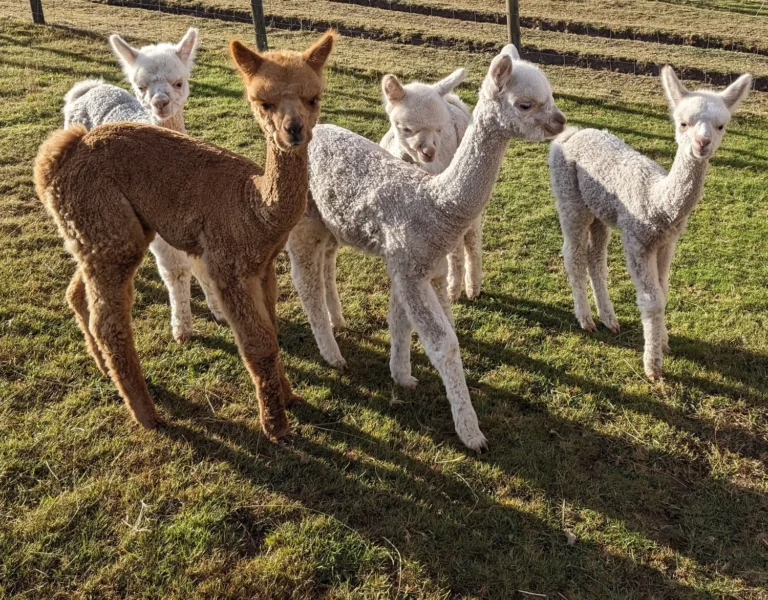
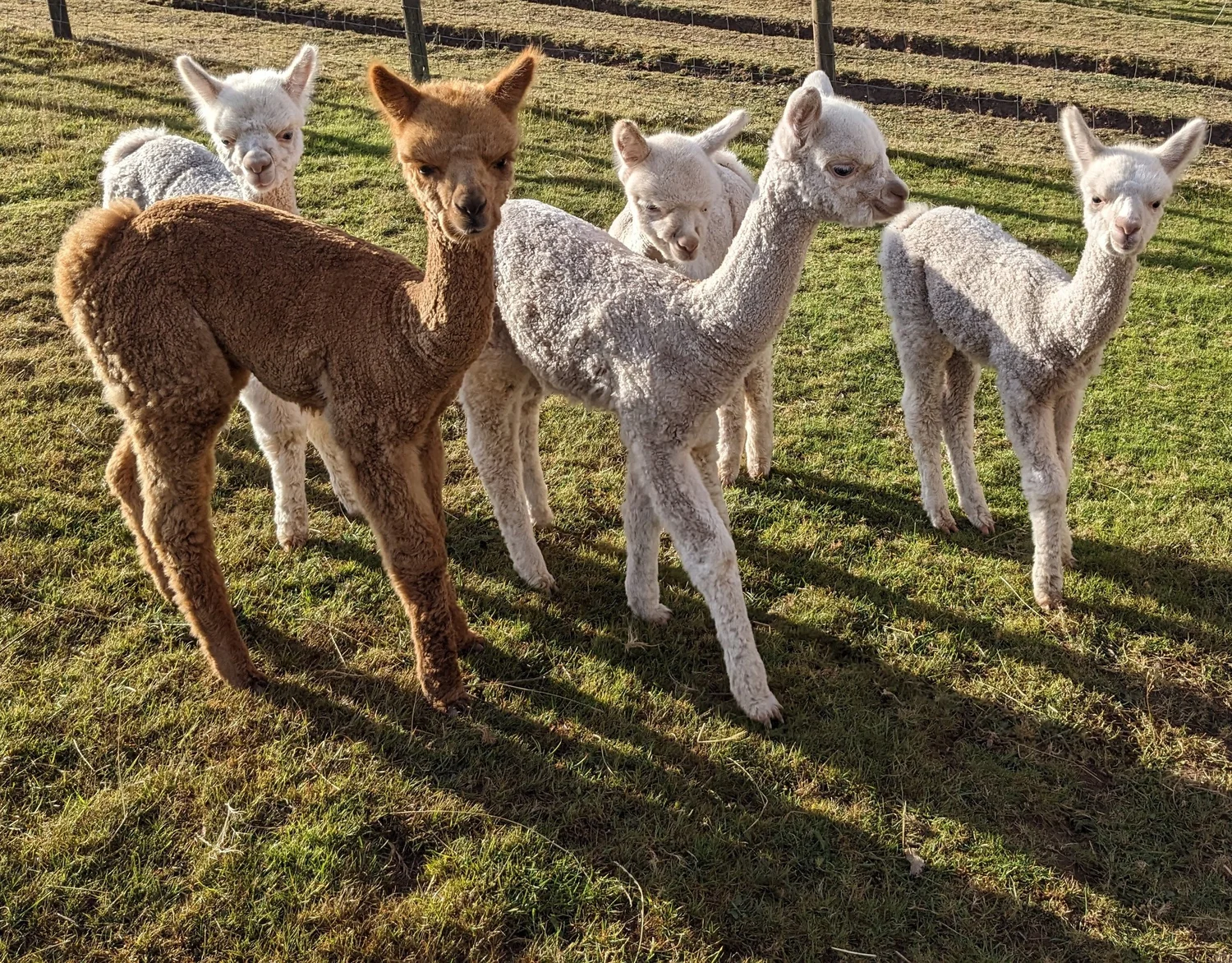
Discover healthy alpaca babies for sale and learn how to compare health, genetics, fleece, temperament, age, and care before buying.
There is something almost impossible to ignore about a young alpaca.
The soft fleece, curious face, long legs, and gentle personality make alpaca babies incredibly appealing to new and experienced livestock owners alike.
But buying one should involve more than falling in love with a photograph.
If you are searching for alpaca babies for sale, you are making a decision that can affect your farm for years.
A young alpaca is still developing.
Its fleece will change.
Its body will mature.
Its personality will become clearer.
And if you are purchasing it for breeding, its future value will depend on much more than how cute it looks today.
That is why a little preparation can make such a difference.
You need to know what questions to ask, what health signs to look for, how to evaluate the parents, and how to prepare your property before the animal arrives.
This guide takes a practical approach to buying alpaca babies for sale, with a focus on healthy animals, responsible breeders, sensible budgeting, and long-term herd planning.
Why Buy a Young Alpaca?
People look for alpaca babies for sale for many different reasons.
Some are starting an alpaca farm.
Some want to build a breeding herd.
Others are interested in fiber production.
And some simply enjoy keeping alpacas as part of a small livestock operation.
A young animal gives you the chance to watch it grow.
You can observe how its fleece develops.
You can learn its personality.
You can monitor its structure and body condition.
For breeding purposes, a promising youngster can also become an important future herd animal.
However, young animals come with uncertainty.
Nobody can guarantee exactly how an alpaca will look or perform as a mature adult.
Good buying decisions are therefore based on evidence rather than promises.
What Is an Alpaca Baby Called?
A baby alpaca is commonly called a cria.
You will see the word frequently when searching for alpaca babies for sale.
Breeders may describe an animal as a cria even when it is several months old, so always ask for the exact birth date.
Knowing the age is important.
A very young cria has different care requirements from a recently weaned youngster.
Age also helps you understand its stage of development.
Decide What You Want Before Shopping
Before contacting sellers about alpaca babies for sale, decide what you want to accomplish.
Ask yourself a few simple questions.
Are you buying for breeding?
Are you interested in fiber?
Do you want registered animals?
Are you building a small hobby herd?
Do you want males, females, or both?
Does color matter to you?
Are you looking for Huacaya or Suri?
Your answers will help you avoid buying an animal that looks attractive but does not actually fit your plans.
Look at the Parents
One of the smartest things you can do when comparing alpaca babies for sale is to learn as much as possible about the parents.
A cria has not yet had years to establish its own track record.
Its parents can therefore provide useful information.
Look at the dam.
Study her structure.
Examine her fleece.
Observe her temperament.
Then ask about the sire.
If the sire is on the same farm, ask whether you can see him.
Information about previous offspring can also be valuable.
Why Genetics Matter
Genetics are especially important when buying alpaca babies for sale for breeding.
You want to understand where the animal came from and which characteristics its family is known for.
Ask about pedigree.
Ask about parents and grandparents.
Ask whether the same bloodlines have produced other successful offspring.
Genetics can provide clues about future potential.
They are not guarantees.
A responsible breeder should be comfortable explaining both the strengths and limitations of a particular pedigree.
Health Should Come First
A healthy animal should always be your starting point.
When evaluating alpaca babies for sale, observe the cria carefully.
Does it appear alert?
Does it move normally?
Does it interact appropriately with other alpacas?
Does it appear to have good body condition?
Ask the breeder about veterinary care.
Ask about previous illnesses.
Ask about any treatments the animal has received.
A young alpaca needs a strong foundation, particularly during its early development.
Ask for Records
Before purchasing alpaca babies for sale, request available documentation.
Depending on the age and farm, this may include:
- Birth information
- Identification
- Veterinary records
- Vaccination records
- Parentage information
- Registration
- Growth information
- Health history
Good records make it easier to understand what you are buying.
They can also become useful when managing the animal yourself.
Visit the Farm
Photographs are useful for finding alpaca babies for sale.
They should not be the only thing you rely on.
If possible, visit the farm.
See the cria standing naturally.
Watch it walk.
Observe its interaction with the mother.
Look at the general condition of the herd.
Check the living environment.
Talk with the breeder.
A visit can tell you a great deal about an animal and its management.
Watch the Cria Move
Movement can provide useful clues.
When viewing alpaca babies for sale, ask the breeder to let the cria walk naturally.
Observe the legs.
Look at the feet.
Watch how it stands.
Pay attention to balance and coordination.
You do not need to be an expert to notice obvious abnormalities.
If you are unsure, bring someone experienced with you.
Consider Temperament
Temperament is another factor worth considering.
When visiting alpaca babies for sale, watch how the young animal reacts to people.
Some crias are naturally curious.
Others may be more reserved.
A little nervousness in an unfamiliar situation is not necessarily a problem.
However, learning how the animal normally behaves can help you make a more informed choice.
Ask the breeder whether the cria has been handled regularly.
Evaluate the Fleece
For many buyers, fleece is a major reason for looking at alpaca babies for sale.
Young fleece can be beautiful.
But do not judge it solely by softness.
Depending on your goals, look at:
- Fineness
- Density
- Crimp
- Staple length
- Uniformity
- Luster
- Lock structure
Different traits matter depending on whether you are buying a Huacaya or Suri.
Huacaya Alpaca Babies
Huacaya alpacas are known for dense fleece with crimp.
When evaluating Huacaya alpaca babies for sale, examine the fleece closely.
Look for consistency.
Study the crimp.
Consider density.
Ask the breeder how the fleece has developed.
A young cria’s current fleece can be encouraging, but it should not be treated as a perfect prediction of its adult fleece.
Suri Alpaca Babies
Suri alpacas have longer, distinctive locks.
When comparing Suri alpaca babies for sale, pay attention to lock formation and luster.
Ask about the parents’ fleece.
Look for consistency.
If you are new to Suri alpacas, consider asking an experienced breeder to help you evaluate the animal.
Color Considerations
Color can be important to some alpaca buyers.
If color is part of your breeding plan, ask about the cria’s pedigree and family background.
When searching for alpaca babies for sale, you may see animals advertised in different colors and shades.
Choose color based on your actual goals.
Do not sacrifice health or structural quality simply because a particular color catches your eye.
Male or Female?
Your future plans should influence this decision.
Female alpaca babies for sale may be especially attractive if you want to establish a breeding herd.
Young males can also have significant value depending on their genetics and development.
Think about what your existing herd needs.
If you already have females, perhaps you need a future breeding male.
If you already have several males, additional females may make more sense.
Choosing a Future Breeding Animal
If you are buying alpaca babies for sale for breeding, take a more detailed approach.
Consider:
Pedigree
What bloodlines does the cria come from?
Parents
What are the dam and sire like?
Conformation
Does the youngster appear structurally sound?
Fleece
What characteristics does the fleece currently show?
Health
Is the cria developing appropriately?
Temperament
Is it manageable?
Registration
Is the animal registered if that matters to your program?
No single trait should make the entire decision.
The Importance of the Dam
The mother can provide valuable information about alpaca babies for sale.
Ask how she has performed as a producer.
Has she raised previous crias?
What were those offspring like?
What is her fleece quality?
How is her temperament?
A mother with a consistent production history can provide useful context.
The Importance of the Sire
The sire can be equally important.
When looking at alpaca babies for sale, ask about his genetics.
Look at his conformation if possible.
Study his fleece.
Ask whether he has produced other offspring.
If the seller claims that the sire has exceptional breeding value, ask for information that supports the claim.
Good breeders should be able to explain their reasoning.
Ask About Birth History
The cria’s early history can tell you a lot.
Ask the breeder:
- When was it born?
- Was the birth normal?
- Did it require assistance?
- Did it nurse normally?
- Has it had any health concerns?
- How has its growth been?
This information is particularly useful when comparing several alpaca babies for sale.
Weaning Status
Ask whether the cria is still nursing or has been weaned.
This is an important question when purchasing alpaca babies for sale.
You need to know what the animal is currently eating.
Ask the breeder to explain its feeding routine.
Do not make sudden dietary changes after bringing it home.
A gradual transition can help reduce unnecessary stress.
Preparing Your Farm
Your property should be ready before your new cria arrives.
Before purchasing alpaca babies for sale, inspect:
- Fencing
- Shelter
- Water
- Pasture
- Feeding areas
- Gates
- Quarantine space
Remove obvious hazards.
Check for damaged fencing.
Make sure water containers are clean.
A prepared farm makes the transition much easier.
Safe Fencing for Young Alpacas
Young animals can be curious.
They may investigate places that adults ignore.
When preparing for alpaca babies for sale, inspect your fencing carefully.
Look for gaps.
Check gates.
Remove sharp or dangerous objects.
Make sure the enclosure is secure.
Regular inspections should continue after the cria arrives.
Shelter and Protection
Appropriate shelter is an important part of caring for alpaca babies for sale.
Young animals should have access to suitable protection from weather.
The shelter should be dry and reasonably clean.
Good ventilation is important.
You do not necessarily need a complicated structure.
A practical shelter that is easy to maintain can work very well.
Water
Fresh water should always be available.
When caring for alpaca babies for sale, check water sources regularly.
Clean containers frequently.
Make sure the water is easy for animals to access.
During hot conditions, pay particular attention to water availability.
Simple routines can prevent avoidable problems.
Feeding Your New Cria
Nutrition should be handled carefully.
Before bringing home alpaca babies for sale, ask the seller about the animal’s current diet.
Find out what forage it receives.
Ask whether it receives any additional feed.
Avoid making sudden changes.
The appropriate diet depends on age, development, forage quality, body condition, and other factors.
For specific nutritional recommendations, consult a veterinarian or qualified livestock nutrition professional.
Don’t Focus on Rapid Growth
It is easy for a new owner to think that more feed means faster and better development.
That is not necessarily true.
When raising alpaca babies for sale, the goal should be healthy, appropriate development.
Monitor body condition.
Follow professional nutritional guidance.
Make changes gradually.
Healthy development is more important than simply making an animal grow as quickly as possible.
Veterinary Care
Establish veterinary support before bringing home alpaca babies for sale.
Ask your veterinarian about an appropriate preventive health program.
This may include discussions about:
- Routine examinations
- Vaccination
- Parasite management
- Nutrition
- Growth
- General health monitoring
A veterinarian familiar with alpacas or camelid livestock can provide advice suited to your circumstances.
Quarantine New Arrivals
If you already own alpacas, ask your veterinarian about quarantine before introducing new alpaca babies for sale to your herd.
A new animal may look perfectly healthy while still presenting a potential health risk.
A suitable quarantine process can help protect your existing livestock.
Follow professional veterinary recommendations for your farm.
Social Companionship
Alpacas are herd animals.
Before buying alpaca babies for sale, consider the social environment you can provide.
If you already have alpacas, introductions should be managed thoughtfully.
If you are starting from scratch, research appropriate herd arrangements before purchasing.
A young alpaca’s social needs should be part of your planning.
How Much Do Alpaca Babies Cost?
There is no universal price for alpaca babies for sale.
Prices can vary substantially.
Factors may include:
- Genetics
- Pedigree
- Registration
- Age
- Sex
- Color
- Fleece
- Conformation
- Breeding potential
- Location
- Seller reputation
Instead of focusing only on price, compare the complete package.
Remember the Ongoing Costs
The purchase price is only one part of owning an alpaca.
When budgeting for alpaca babies for sale, also consider:
- Feed
- Hay
- Veterinary care
- Shearing
- Fencing
- Shelter
- Transportation
- Water
- Equipment
- General farm maintenance
It is wise to leave some room in your budget for unexpected expenses.
Buying From a Reputable Breeder
The breeder you choose matters.
When comparing alpaca babies for sale, look for sellers who communicate clearly and provide useful information.
A responsible breeder should be willing to discuss the cria’s history.
They should explain its parents.
They should provide appropriate records.
They should answer questions without making unrealistic promises.
Good communication is a positive sign.
Questions to Ask Before Buying
Before purchasing alpaca babies for sale, ask the seller:
What is the exact birth date?
This establishes the cria’s age.
Who are the parents?
Ask for pedigree information where available.
Can I see the mother?
The dam can provide valuable information.
Can I see the father?
If he is available, seeing him can also help.
What is the cria eating?
This helps you prepare for the transition.
Has the cria had veterinary care?
Ask for relevant documentation.
Has it had any health problems?
A transparent answer matters.
Is it registered?
If registration is important to you, request documentation.
Why is the cria being sold?
The answer can provide useful context.
Red Flags When Shopping
Be cautious when looking at alpaca babies for sale if the seller:
- Refuses basic questions
- Cannot provide the animal’s age
- Has no identification information
- Makes unrealistic guarantees
- Refuses reasonable inspection
- Provides inconsistent answers
- Pressures you to purchase immediately
- Will not discuss health history
Do not ignore your instincts.
If something does not feel right, slow down.
There will always be another animal.
Don’t Buy From a Photograph Alone
A cute photograph can be persuasive.
But when considering alpaca babies for sale, photographs should only be the beginning of your research.
Images can hide structural problems.
Lighting can make fleece appear different.
Camera angles can change proportions.
Whenever possible, visit the animal yourself.
If that is impossible, consider having someone knowledgeable inspect it on your behalf.
Building a Future Alpaca Herd
Buying one young animal may be the beginning of something much bigger.
When choosing alpaca babies for sale, think about your future herd.
Which genetics do you want?
What fleece characteristics are important?
Do you want Huacaya or Suri?
Will you focus on breeding?
Will you sell fiber?
Will you eventually sell offspring?
Your answers should influence every purchase.
Keeping Good Records
Good records are one of the simplest tools for improving a livestock operation.
When you purchase alpaca babies for sale, record the animal’s:
- Birth date
- Identification
- Parentage
- Registration
- Health history
- Fleece observations
- Growth
- Breeding information later in life
Over time, these records can help you identify which bloodlines are performing best.
Selling Alpaca Babies Later
If your farm eventually offers alpaca babies for sale, transparency should be part of your marketing strategy.
Give buyers accurate information.
Use clear photographs.
Show the parents where appropriate.
Explain the pedigree.
Provide relevant health records.
State the age and sex clearly.
Avoid exaggerated promises.
People buying livestock appreciate straightforward sellers.
Creating Better Online Listings
An effective listing for alpaca babies for sale should answer common buyer questions.
Include:
- Exact age
- Sex
- Color
- Alpaca type
- Parentage
- Registration status
- Health information
- Fleece characteristics
- Current diet
- Location
- Contact information
Specific information creates confidence.
Generic statements do not.
Local SEO for Alpaca Sellers
If you sell alpaca babies for sale, local search can help potential customers discover your farm.
People may search for:
- Alpaca babies for sale near me
- Baby alpacas for sale
- Alpaca cria for sale
- Alpaca breeder near me
- Alpaca farms near me
- Alpacas for sale
- Registered alpaca babies
- Huacaya alpacas for sale
- Suri alpacas for sale
Create useful content around these topics.
Use keywords naturally.
Avoid repeating the same phrase simply to increase keyword density.
Useful information is more important than awkward keyword stuffing.
Frequently Asked Questions
What is a baby alpaca called?
A baby alpaca is commonly called a cria.
What should I look for when buying alpaca babies for sale?
Focus on health, age, development, temperament, fleece, pedigree, parents, conformation, and documentation.
Are baby alpacas difficult to raise?
They require proper nutrition, clean water, shelter, appropriate companionship, health monitoring, and responsible livestock management.
Should I buy one alpaca baby or several?
That depends on your existing herd and management system. Alpacas are social animals, so their companionship needs should be considered carefully.
Are young alpacas good breeding investments?
They can be promising, but young animals have more uncertainty than proven adults. Evaluate their parents, pedigree, health, conformation, and fleece.
How much do alpaca babies cost?
Prices vary depending on genetics, registration, age, sex, fleece, color, breeding potential, location, and breeder.
Should I buy a registered alpaca baby?
Registration can be valuable for buyers developing a documented breeding program, but registration should not replace a complete evaluation of the animal.
Can I see the parents before purchasing?
Whenever possible, yes. Seeing the parents can provide valuable information about genetics, fleece, structure, and temperament.
What should a young alpaca eat?
Its diet depends on age, development, forage, and individual circumstances. Ask the seller about the current diet and consult a qualified professional before making significant changes.
How can I find a trustworthy breeder?
Look for breeders who provide accurate information, appropriate records, clear photographs, and opportunities for buyers to inspect animals.
Final Thoughts
Buying a young alpaca should be exciting.
It should not be stressful because you rushed into the wrong purchase.
When searching for alpaca babies for sale, take your time.
Look beyond the cute face.
Study the parents.
Ask about health.
Check the pedigree.
Observe movement.
Look closely at the fleece.
Consider temperament.
Ask about diet and development.
Visit the farm whenever possible.
Most importantly, think about what you want your herd to look like in the future.
A young alpaca has many years of development ahead.
You cannot know everything about its adult future, but careful selection can give you a much stronger starting point.
Prepare your farm before the cria arrives.
Have appropriate shelter and fencing ready.
Provide clean water and suitable nutrition.
Plan veterinary care.
Keep accurate records.
Give the animal time to settle into its new environment.
Whether you are building a commercial alpaca operation, starting a small fiber herd, developing a breeding program, or simply adding alpacas to your property, a thoughtful purchase can be incredibly rewarding.
The goal is not merely to find alpaca babies for sale.
The goal is to find a healthy, suitable young animal that fits your farm and gives you something worthwhile to build on.