Alpaca Farm: A Complete Guide to Starting, Managing, and Growing a Successful Alpaca Operation
If you have ever spent time around alpacas, you already know there is something different about them.
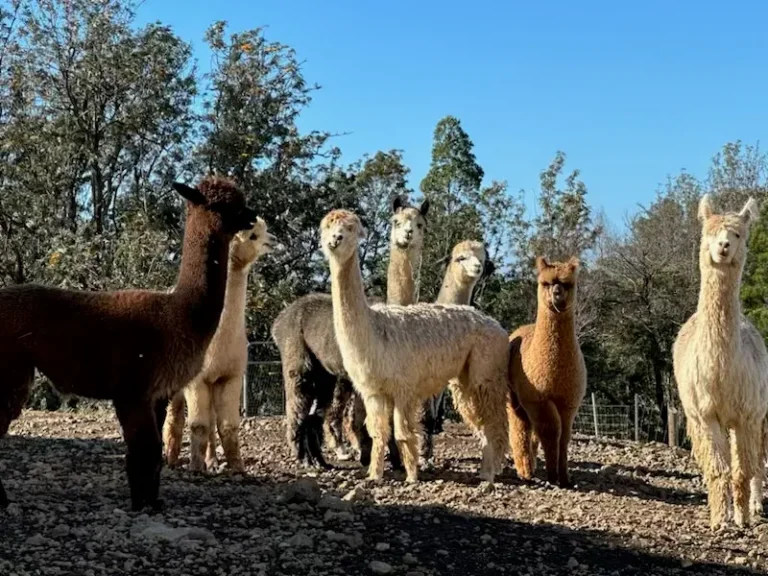
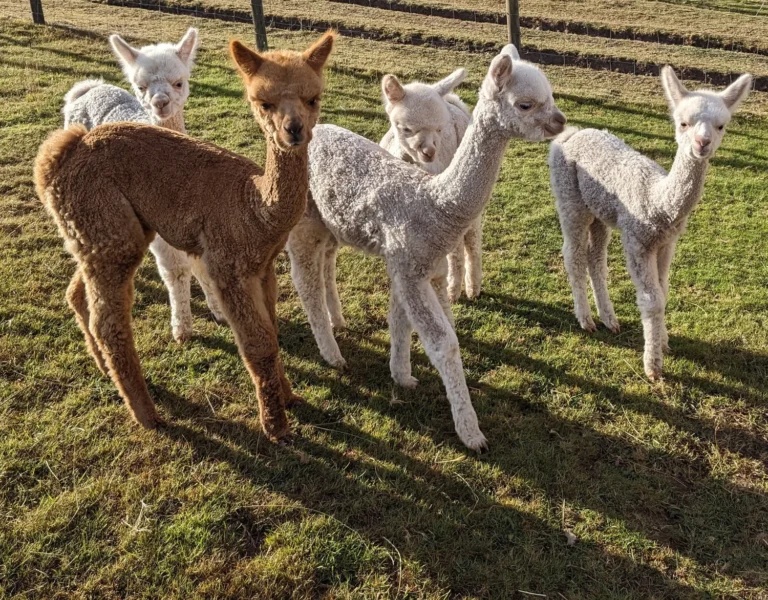
They are calm, curious, and surprisingly expressive. One minute they can be standing quietly in a pasture, and the next they are all watching you as if they are trying to figure out exactly what you are doing.
That personality is one reason an alpaca farm can be such an appealing idea.
But owning alpacas is more than putting a few animals in a field.
There is land to manage, fencing to maintain, water to provide, feed to plan, health care to arrange, and plenty of small daily jobs that keep the operation running.
Whether you are dreaming about a small family property or thinking about building a commercial livestock business, understanding what is involved before you begin can save you a lot of time, money, and frustration.
This guide takes a practical look at what it really takes to build and manage an alpaca farm, including land, facilities, animals, breeding, fiber, expenses, marketing, and common beginner mistakes.
What Is an Alpaca Farm?
An alpaca farm is a property where alpacas are raised and managed as livestock.
The size can vary dramatically.
Some farms have only a handful of animals.
Others maintain large breeding herds with dedicated barns, multiple pastures, handling facilities, and specialized equipment.
There is no single model that every owner needs to follow.
One owner may concentrate on breeding.
Another may focus on fiber.
Someone else may simply enjoy keeping alpacas while selling a limited number of animals each year.
The best setup depends on your goals.
Why Are More People Interested in Alpaca Farming?
Alpacas have become increasingly attractive to people looking for an alternative livestock operation.
Their fleece is valuable to certain textile markets.
Their appearance attracts visitors.
Their calm nature makes them interesting to people who enjoy working with livestock.
And their relatively compact size can make them appealing to landowners who do not want to manage larger livestock.
Still, an alpaca farm should be approached as a real agricultural operation.
There are costs.
There is work.
There are risks.
And there is a learning curve.
The people who tend to do best are those who enjoy the animals while also paying attention to the business side.
Decide What You Want Your Farm to Become
Before purchasing land or animals, define your goal.
This is probably the most important decision you will make.
Do you want an alpaca farm primarily for breeding?
Do you want to produce fiber?
Are you interested in selling young animals?
Would you like to create a farm-visit experience?
Maybe you want a combination of several income sources.
Write your goals down.
Then use them to guide every major purchase.
Breeding-Focused Operations
A breeding-focused alpaca farm needs to think carefully about genetics.
You are not simply collecting animals.
You are developing a herd.
That means evaluating pedigrees, conformation, fleece characteristics, reproductive history, and the traits you want to improve over time.
A good breeding program is deliberate.
Every mating should have a reason behind it.
Fiber-Focused Operations
If your primary interest is fiber, fleece quality becomes extremely important.
A fiber-oriented alpaca farm may pay close attention to fineness, density, uniformity, staple characteristics, crimp, lock structure, luster, and natural color.
Huacaya and Suri alpacas also produce distinctly different fleece types.
Before purchasing animals, learn what characteristics your intended market values.
Choosing the Right Land
Land is the foundation of an alpaca farm.
You do not necessarily need enormous acreage.
What matters is whether the property can comfortably support your intended herd under the local conditions and management system.
Look at pasture quality.
Look at drainage.
Look at slopes.
Consider shade.
Check access.
Think about how the property will work during different seasons.
A property that looks perfect during a dry summer may behave very differently after heavy rainfall.
Pasture Quality Matters
Good pasture can be extremely useful.
However, pasture should not be judged only by how green it looks.
When evaluating land for an alpaca farm, look at the overall condition of the soil and vegetation.
Ask:
- What grows naturally?
- Has livestock been kept there before?
- Are there areas that stay wet?
- Is erosion visible?
- How is pasture maintained?
- Can the land be divided into paddocks?
If you are unfamiliar with pasture management, getting local agricultural advice can be worthwhile.
Drainage Should Be on Your Checklist
Standing water can become a management headache.
Poor drainage may contribute to muddy gateways, damaged pasture, difficult access, and maintenance problems.
Walk the property after rainfall if possible.
Look at low areas.
Check around water points.
Examine gateways.
An alpaca farm should have practical areas where animals can move without spending large amounts of time in wet, damaged ground.
Fencing an Alpaca Farm
Fencing is one of those things you may not appreciate until you have livestock.
Then suddenly it becomes very important.
A good alpaca farm needs secure boundaries and practical internal divisions.
Fencing should help you control where animals graze and allow you to separate groups when necessary.
You may eventually want separate areas for:
- Males
- Females
- Young animals
- New arrivals
- Animals needing additional observation
- Breeding groups
Good fencing makes management easier.
Gates and Farm Layout
Think about gates as part of the overall system.
Can you move animals easily?
Can a trailer reach the right area?
Can you get equipment through?
Can a veterinarian access the handling area?
A well-designed alpaca farm reduces unnecessary walking, lifting, carrying, and chasing.
That saves time.
It also makes routine livestock handling more manageable.
Water: A Non-Negotiable Requirement
Every alpaca farm needs reliable access to clean water.
Depending on the property, water may come from a well, municipal supply, tanks, or another suitable source.
Whatever system you use, it needs to be dependable.
Think about what happens during:
- Power outages
- Drought
- Freezing weather
- Equipment failures
- Extremely hot periods
A backup plan can be valuable.
Shelters and Barns
Alpacas need appropriate protection from local weather conditions.
An alpaca farm does not necessarily need expensive buildings.
It needs functional ones.
Shelters should provide suitable protection from weather while allowing adequate airflow.
Barns can also provide useful areas for storage, handling, veterinary work, and other management activities.
What Makes a Good Alpaca Shelter?
Look for:
- Good ventilation
- Dry flooring
- Appropriate drainage
- Safe gates
- Easy cleaning
- Protection from harsh weather
- Convenient access
A beautiful barn that is difficult to clean is not necessarily a good barn.
Practicality wins.
Feeding an Alpaca Farm
Feeding costs can become one of the largest recurring expenses.
A good alpaca farm should have a realistic feeding plan rather than simply buying feed whenever animals appear hungry.
Diet depends on factors such as pasture quality, forage availability, animal condition, age, reproductive status, and local conditions.
Fresh water should always be available.
For detailed nutritional decisions, work with a veterinarian or qualified livestock nutrition professional familiar with alpacas.
Hay and Forage
Hay can become particularly important when pasture is limited.
Before establishing an alpaca farm, investigate local hay availability.
Ask yourself:
Can I buy quality hay consistently?
How much storage do I have?
What happens if prices increase?
Can deliveries reach my property?
Do I have a dry place to store it?
Planning ahead can make a major difference.
Minerals and Supplements
Some alpacas may require nutritional supplementation depending on their diet and local conditions.
Do not assume that more supplementation is automatically better.
A sensible alpaca farm management plan should consider forage quality, water, mineral availability, and professional nutritional guidance.
If you are uncertain, consult a veterinarian or qualified livestock professional.
Buying Your First Alpacas
Once your land and facilities are ready, you can begin thinking about animals.
Do not buy based solely on appearance.
When selecting animals for an alpaca farm, consider your long-term goals.
Look at:
- Health
- Age
- Temperament
- Conformation
- Pedigree
- Registration
- Fleece
- Reproductive history
- Genetic compatibility
The cheapest animal is not necessarily the best value.
Huacaya vs. Suri Alpacas
Two major alpaca types are Huacaya and Suri.
Huacaya
Huacaya fleece is typically dense and crimped.
They are common in fiber-oriented breeding programs.
Suri
Suri fleece is characterized by longer locks and distinctive luster.
Both can be excellent animals.
The right choice depends on what you want your alpaca farm to accomplish.
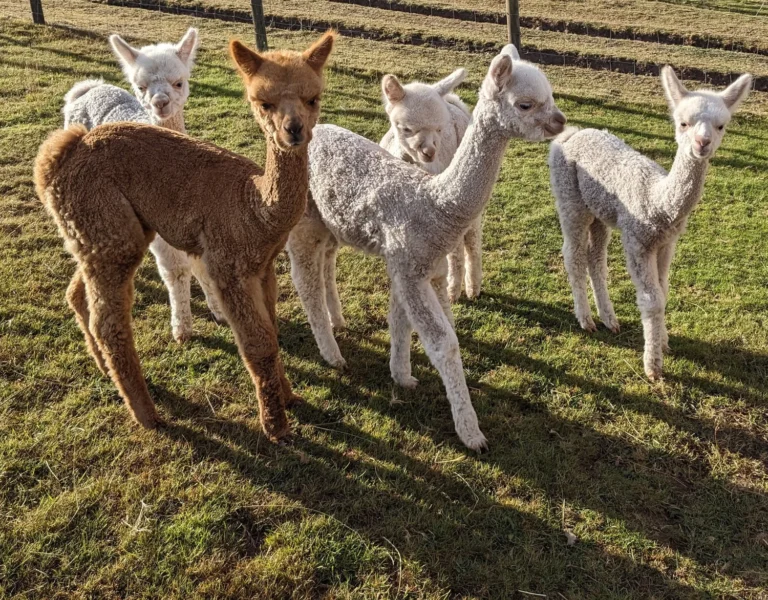
Young Alpacas and Crias
Crias can be especially appealing to new owners.
They are small, curious, and often attract a great deal of attention.
But young animals also require careful management.
If your alpaca farm includes breeding, you should understand appropriate care for pregnant females, newborn crias, and growing youngsters.
Do not hesitate to involve a veterinarian when something seems unusual.
Registered Alpacas
Registration may be important if you plan to build a breeding program.
When purchasing registered animals for your alpaca farm, verify documentation carefully.
Make sure identification corresponds with the records.
Ask about ownership transfers.
Keep all paperwork organized.
Registration alone does not guarantee that an animal is the right choice for your program.
You still need to evaluate the individual animal.
Understanding Alpaca Genetics
Genetics becomes increasingly important as your alpaca farm grows.
You need to know what characteristics you are selecting for.
Perhaps you want finer fiber.
Maybe density is your priority.
Perhaps you want improved conformation or a particular color.
Whatever your goal, write it down.
Then select animals that help move the herd in that direction.
Health Management
Animal health should always be treated seriously.
A responsible alpaca farm needs a relationship with an appropriate veterinarian.
Create a plan for routine health care.
Keep records.
Monitor animals regularly.
Pay attention to changes in eating, movement, behavior, or general condition.
Early recognition of problems can make a significant difference.
Quarantine New Animals
Whenever new animals arrive, talk with your veterinarian about appropriate quarantine procedures.
This is particularly important if your alpaca farm already contains a herd.
The purpose is to reduce the risk of introducing disease or parasites to established animals.
The exact approach should be based on your veterinarian’s recommendations and local conditions.
Shearing
Shearing is an important part of managing an alpaca farm.
Many alpacas are shorn periodically, with timing depending on climate and management.
A skilled shearer can make the process much easier.
Ask experienced farms for recommendations.
If fiber is important to your operation, develop a system for sorting and storing fleece immediately after shearing.
Fleece Storage
Good fleece can lose value if it is poorly handled.
A fiber-oriented alpaca farm should have a clean, dry storage area.
Keep harvested fiber protected from moisture and contamination.
Develop a labeling system.
Record which animal produced which fleece.
Those simple habits can become extremely useful as the herd grows.
Building a Breeding Program
A successful breeding program takes patience.
The first year should not necessarily be about producing as many animals as possible.
A thoughtful alpaca farm focuses on quality and consistency.
Study your animals.
Review pedigrees.
Track offspring.
Keep breeding records.
Learn from experienced breeders.
Over time, these records can become one of the most valuable resources on the farm.
Farm Records
Record keeping may sound boring.
It is not.
Good records can save you countless headaches.
For an alpaca farm, useful records may include:
- Birth dates
- Parentage
- Registration
- Health information
- Breeding dates
- Pregnancy information
- Birth outcomes
- Fleece data
- Sales
- Expenses
- Vaccinations
- Treatments
You do not need an elaborate system.
You need a consistent one.
Managing Farm Expenses
Before opening an alpaca farm, understand the difference between startup expenses and recurring expenses.
Startup expenses may include:
- Land
- Fencing
- Shelters
- Water infrastructure
- Equipment
- Initial animals
- Transportation
Recurring expenses may include:
- Feed
- Veterinary care
- Shearing
- Repairs
- Utilities
- Insurance
- Taxes
- Marketing
- Labor
A realistic budget should include both.
Don’t Underestimate Maintenance
Farms constantly need attention.
A gate breaks.
A water trough develops a problem.
A fence post needs replacing.
A shed roof needs repair.
Equipment needs servicing.
The strongest alpaca farm businesses usually have a maintenance mindset.
Fixing small problems early can prevent expensive problems later.
Marketing Your Alpaca Farm
You can have excellent animals and still struggle to find customers if nobody knows your farm exists.
Modern marketing gives an alpaca farm several ways to reach potential buyers.
Your website can showcase:
- Available alpacas
- Breeding animals
- Farm history
- Photos
- Fleece information
- Pedigrees
- Farm updates
- Contact information
Clear, honest information builds confidence.
Local SEO Can Help
If you want local customers, location-based search terms can be valuable.
People may search for:
alpaca farms near me
They may also search for:
- Alpacas for sale near me
- Alpaca breeders near me
- Alpaca farm tours
- Alpaca farm for sale
- Baby alpacas for sale
- Registered alpacas for sale
A useful website should answer the questions behind those searches rather than simply repeating keywords.
Use Real Farm Photography
Stock photographs can make a livestock website feel generic.
An alpaca farm should show its actual animals and property whenever possible.
Take clear photographs.
Show animals standing naturally.
Photograph the pasture.
Show shelters.
Include fleece images when relevant.
People want to know what they are actually buying.
Build Trust With Potential Buyers
Trust is particularly important when selling livestock.
Be honest about strengths and weaknesses.
Provide accurate records.
Answer questions.
Avoid exaggerated claims.
A buyer who feels respected is more likely to recommend your alpaca farm to someone else.
Word of mouth can be incredibly powerful in livestock communities.
Farm Visits as a Marketing Tool
If your property is appropriate for visitors, farm visits can introduce people to alpacas.
People may come because they are curious.
Some may eventually become customers.
However, visitor programs require planning.
Think about safety, parking, insurance, animal handling, sanitation, and local regulations before opening your alpaca farm to the public.
Common Beginner Mistakes
Starting an alpaca farm can be exciting enough that beginners sometimes move too quickly.
Here are a few mistakes worth avoiding.
Buying animals before preparing the property
Have fencing, shelter, water, and feed arrangements ready first.
Choosing animals only because they look cute
Appearance matters, but health, structure, genetics, and suitability matter too.
Buying too many animals immediately
Give yourself time to learn.
Ignoring records
Good records become increasingly important as the herd grows.
Underestimating expenses
Unexpected costs happen.
Focusing only on purchase price
The cheapest animal may not be the best long-term investment.
How to Grow an Alpaca Farm Slowly
There is nothing wrong with starting small.
A small alpaca farm can be easier to manage while you develop experience.
You can learn:
- Daily care
- Feeding
- Shearing
- Record keeping
- Breeding
- Marketing
- Customer communication
Then expand when you are ready.
Growth should follow your capacity rather than your excitement.
When Should You Buy More Alpacas?
Only when your infrastructure can handle them.
Before expanding your alpaca farm, check:
- Pasture
- Hay supply
- Water
- Shelter
- Fencing
- Labor
- Veterinary support
- Finances
If any of these are already stretched, adding more animals may create unnecessary problems.
Is an Alpaca Farm Right for You?
Ask yourself a few honest questions.
Do you enjoy working outdoors?
Are you comfortable with livestock responsibilities?
Can you handle daily chores?
Do you have suitable land?
Can you afford ongoing expenses?
Are you willing to learn?
Can you deal with unexpected problems?
If the answer to most of these is yes, an alpaca farm may be an exciting opportunity.
Frequently Asked Questions
How much land is needed for an alpaca farm?
There is no universal acreage figure. Land requirements depend on pasture quality, climate, management practices, supplemental feeding, herd size, and local regulations.
Is an alpaca farm expensive to start?
Startup costs can vary widely. Land, fencing, shelters, water systems, animals, equipment, and ongoing feed and veterinary costs should all be considered.
Can beginners own alpacas?
Yes, beginners can learn to manage alpacas, but proper preparation is important. Spend time visiting established farms and learning basic livestock management before purchasing.
Are alpacas difficult to care for?
They require regular care, observation, feeding, appropriate shelter, secure fencing, shearing, and veterinary support. They are livestock, so ownership involves real responsibility.
What is the difference between owning alpacas and running an alpaca farm?
Owning a few alpacas can be primarily a lifestyle choice. Running an alpaca farm as a business requires additional attention to breeding, marketing, records, expenses, customers, and long-term planning.
Can an alpaca farm make money from fiber?
Fiber can be one potential revenue source. However, profitability depends on fleece quality, processing costs, markets, production volume, and how effectively the products are marketed.
Should I buy registered alpacas?
Registered animals can be useful for buyers developing a breeding program, but registration should be considered alongside health, genetics, conformation, fleece, and breeding performance.
How often are alpacas shorn?
Shearing schedules vary according to climate and farm management. Work with an experienced shearer and establish a routine appropriate for your animals and local conditions.
How do I find a reputable alpaca farm?
Visit several farms, ask questions, inspect facilities, review records, observe the animals, and speak with experienced alpaca owners where possible.
Final Thoughts
Building an alpaca farm is not something you need to rush.
The most successful operations are usually built one decision at a time.
Start with the land.
Get the fencing right.
Make sure water is reliable.
Prepare suitable shelter.
Learn about nutrition.
Build a relationship with a veterinarian.
Then choose animals that actually fit your goals.
Spend time with experienced breeders.
Ask questions.
Keep records from the beginning.
And remember that the farm you create does not have to look like anybody else’s.
A small family operation can be just as rewarding as a large breeding program.
What matters is building an alpaca farm that matches your resources, interests, knowledge, and long-term plans.
The animals should be healthy.
The facilities should be practical.
The finances should make sense.
And you should enjoy the work.
Because at the end of a long day, farming is still farming.
There will be muddy boots.
There will be broken fences.
There will be early mornings.
There will be unexpected problems.
But there will also be quiet mornings in the pasture, curious alpacas watching you from across the field, healthy crias growing stronger, beautiful fleece at shearing time, and the satisfaction of watching something you built become a real working farm.
That is what makes an alpaca farm more than just a piece of property.
It becomes a way of life.