Alpaca for Sale: How to Find the Right Animal, Avoid Costly Mistakes, and Buy With Confidence,
Buying livestock is rarely as simple as seeing a photograph and deciding, “That’s the one.”
When you are searching for an alpaca for sale, there is a lot more to consider than a fluffy coat and an appealing face. You need to think about health, age, temperament, fiber, genetics, housing, transportation, and the reason you want the animal in the first place.
That may sound like a lot.
It really is not once you know what to look for.
The biggest mistake new buyers make is rushing. They see an attractive alpaca for sale, fall in love with it immediately, and start thinking about payment before asking the important questions.
A better approach is to slow down.
Look at the animal.
Talk to the seller.
Ask questions.
Check the records.
Think about your property.
Then decide.
This guide takes a practical approach to finding an alpaca for sale and explains what experienced buyers tend to look at before making a purchase.
Start With One Simple Question: Why Do You Want an Alpaca?
Before searching listings for an alpaca for sale, figure out what you want the animal to do.
That sounds obvious, but it can completely change what you should buy.
Are you interested in fiber?
Do you want to start a breeding program?
Are you building a small farm?
Are you looking for companion livestock?
Maybe you simply enjoy alpacas and want a few animals on your property.
There is nothing wrong with any of these reasons.
The important thing is matching your reason with the right alpaca for sale.
A young animal might make sense for one buyer, while a proven adult may be far more suitable for another.
A fiber-focused buyer may care deeply about fleece characteristics.
A hobby farmer may care more about temperament and easy handling.
Someone building a breeding herd will probably pay much closer attention to pedigree, conformation, reproductive history, and genetics.
Knowing your goal makes the entire search easier.
What Should You Look for in an Alpaca?
A healthy-looking alpaca for sale should appear alert, comfortable, and appropriately conditioned.
Start with the basics.
Look at the eyes.
They should appear clear and normal rather than dull or unusually watery.
Watch the animal breathe.
Pay attention to its posture.
Then watch it walk.
Movement tells you things that a photograph never will.
A good alpaca for sale should not obviously favor one leg or struggle to move around.
If you are inexperienced, consider taking an experienced alpaca owner, breeder, livestock professional, or veterinarian with you.
A second set of eyes can catch things you might miss.
Don’t Judge an Alpaca Only by Its Fleece
This is one of the easiest mistakes to make.
A thick, beautiful fleece can make an alpaca for sale look spectacular.
But fleece is not the whole animal.
Move beyond the surface.
Look at body condition, legs, feet, teeth, eyes, behavior, and general health.
If the animal is being purchased for fiber, then fleece quality certainly matters.
However, excellent fiber does not compensate for serious health or structural problems.
When examining an alpaca for sale, think about the complete package.
You are buying an animal, not just a coat.
Huacaya or Suri?
Most buyers searching for an alpaca for sale will encounter two primary types: Huacaya and Suri.
They look different and produce different types of fiber.
Huacaya Alpacas
Huacayas are the more commonly encountered type.
Their fleece tends to have a dense, crimped appearance and gives them the soft, fluffy look many people associate with alpacas.
For someone interested in producing traditional alpaca fiber, a quality Huacaya can be an excellent choice.
When comparing a Huacaya alpaca for sale, look at density, fineness, crimp, staple length, uniformity, and overall fleece condition.
Suri Alpacas
Suri alpacas have long, flowing locks.
Their fleece has a distinctive appearance and texture, with qualities that appeal to fiber producers and enthusiasts.
If you are considering a Suri alpaca for sale, pay attention to lock structure, luster, density, fineness, and consistency.
Neither type is automatically the better choice.
Your goals should decide.
Age Can Change the Buying Decision
Age matters when selecting an alpaca for sale.
A young alpaca can be exciting because you get to watch it develop.
There may be plenty of potential.
But there is also uncertainty.
A mature animal gives you more information.
You can evaluate its established size, fleece, temperament, health history, and, in some cases, breeding performance.
That does not mean an older alpaca for sale is always better.
It simply means you should understand what you are paying for.
If you are starting a breeding program, an established animal with documented history may be more useful than an unproven youngster.
If you simply want animals for a small farm, a calm and healthy young animal may be perfectly suitable.
Male, Female, or Gelded?
Your plans should determine the sex of the alpaca for sale you choose.
Females are often important to breeding programs.
Males can be valuable breeding animals when their genetics and physical qualities are desirable.
Gelded males may appeal to owners who are primarily interested in companionship, fiber, or maintaining a non-breeding group.
Do not buy simply because an animal is male or female.
Ask what role that particular alpaca for sale will have in your herd.
Health Should Come Before Appearance
A beautiful alpaca for sale is not necessarily a healthy one.
Health should be one of your first considerations.
Ask about veterinary history.
Find out about vaccinations and routine care appropriate to the animal and region.
Ask whether the animal has experienced previous health problems.
Find out when it was last examined.
Ask about parasite-management practices.
The seller should be comfortable discussing these things.
When buying an alpaca for sale, documentation is far more useful than vague statements such as “He has always been healthy.”
Check Body Condition
Body condition can reveal a great deal.
An alpaca for sale should not appear severely underweight or excessively heavy.
However, visual assessment alone is not always enough.
An experienced person can often learn more by carefully assessing the animal’s body condition by touch.
This is another reason why first-time buyers benefit from experienced assistance.
If you are comparing several animals, assess them consistently.
The healthiest-looking alpaca for sale should not simply be the one with the thickest fleece.
Look at the entire animal.
Examine the Feet and Legs
Leg and foot health deserves serious attention.
Ask the seller to allow you to observe the alpaca for sale walking.
Watch it from different angles.
Look for obvious lameness, stiffness, swelling, or unusual movement.
Good structure matters because an animal’s legs support it throughout its life.
If breeding is part of your plan, structural soundness becomes even more important.
A flashy alpaca for sale with poor movement may create more problems than it solves.
Look at the Teeth
Dental condition can be particularly relevant when considering mature animals.
Ask the seller whether the alpaca for sale has experienced any dental problems or difficulty eating.
If the purchase is significant, a veterinary examination can provide additional reassurance.
Do not be embarrassed to ask questions.
A serious livestock seller should expect buyers to ask them.
Temperament Matters More Than Many People Realize
People often focus heavily on appearance when choosing an alpaca for sale.
Temperament deserves attention too.
Spend a few minutes observing the animal.
Is it curious?
Is it excessively fearful?
Does it tolerate normal human activity?
How does it react when handled?
Every alpaca has its own personality.
A calm alpaca for sale may be much easier for a beginner to manage than an animal that becomes extremely stressed whenever someone approaches.
Temperament can matter especially when you plan to shear, trim feet, administer routine care, or transport the animal.
Ask Why the Alpaca Is Being Sold
This is one of the simplest questions you can ask.
Why is the alpaca for sale available?
There are many perfectly reasonable answers.
A breeder may be reducing herd size.
An owner may be retiring from alpaca farming.
A breeding program may be changing direction.
An animal may simply no longer fit the owner’s goals.
The answer does not automatically determine whether you should buy.
It simply gives you more context.
When a seller provides a clear explanation about an alpaca for sale, that information can help you understand the situation.
Request Records
Good records can make buying an alpaca for sale much easier.
Depending on the animal, useful information may include:
- Age
- Sex
- Registration information
- Pedigree
- Health history
- Vaccination records
- Breeding history
- Shearing history
- Fiber testing
- Previous ownership information
Not every animal will have every document.
That is normal.
But the more information you can verify, the more confidently you can evaluate an alpaca for sale.
Fiber Quality: What Actually Matters?
If fiber is your main reason for buying an alpaca for sale, take the time to understand what you are evaluating.
Fineness is important.
Density matters.
Uniformity matters.
Staple length can matter.
Crimp can matter for certain markets.
Fiber testing may provide objective information that your fingers cannot.
Do not rely solely on descriptions such as “super soft.”
Softness is subjective.
When comparing an alpaca for sale for fiber production, ask whether objective fleece information is available.
Don’t Forget Fiber Color
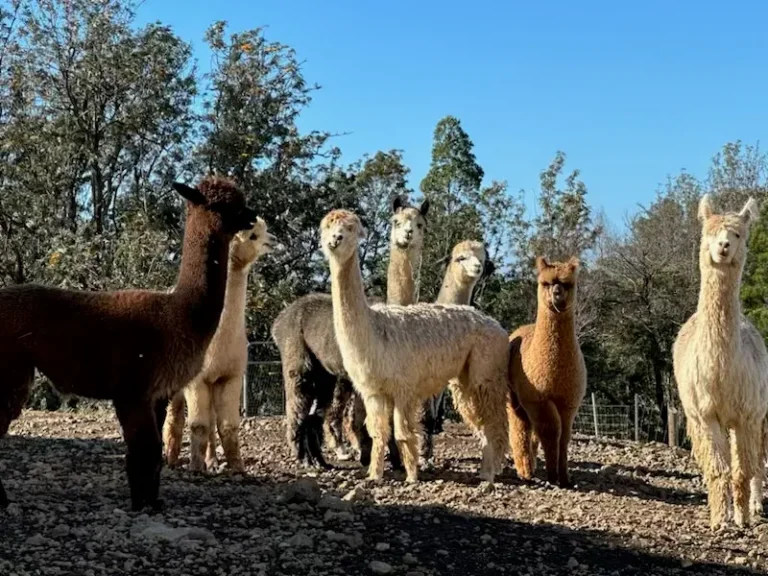
Natural alpaca fiber comes in many attractive colors.
White, cream, fawn, brown, gray, and black are among the colors buyers may encounter.
Some people have a strong preference.
Others prefer to focus on fiber quality first.
When choosing an alpaca for sale, color should fit your goals, but it should not distract you from health and overall quality.
Preparing Your Property Before Buying
Your property should be ready before the alpaca for sale arrives.
Start with fencing.
The fencing should be secure and suitable for the animals you intend to keep.
Then think about shelter.
Alpacas need protection from challenging weather conditions.
Clean water is essential.
Pasture management matters too.
Before purchasing an alpaca for sale, walk around your property and ask yourself how you will manage feeding, cleaning, handling, transportation, and veterinary care.
Doing this beforehand can prevent a lot of headaches.
How Much Space Do Alpacas Need?
There is no single answer that applies to every property.
Space requirements depend on pasture quality, climate, stocking levels, management, and local conditions.
An alpaca for sale needs enough room to move comfortably and access appropriate food, water, shelter, and social companionship.
Do not judge your property only by its size.
Pasture quality and management matter just as much.
A smaller property that is carefully managed may be more suitable than a larger property with poor fencing and inadequate resources.
Feeding Your New Alpaca
Nutrition should be planned before you purchase an alpaca for sale.
Ask the seller what the animal currently eats.
Sudden dietary changes are not ideal.
Keeping the diet reasonably consistent during the transition can make settling in easier.
From there, adjustments can be made gradually based on pasture, body condition, age, reproductive status, and nutritional needs.
If you are uncertain, ask an experienced livestock professional or veterinarian for guidance.
Good nutrition is part of responsible ownership of every alpaca for sale you bring home.
Water Is Easy to Forget Until There Is a Problem
Fresh, clean water should always be available.
Check water sources regularly.
Make sure troughs or containers are clean and accessible.
During hot weather, water management becomes even more important.
When preparing for an alpaca for sale, water should be part of your setup before the animal arrives.
Shearing Is Part of the Deal
Alpacas produce fleece, which means shearing is a normal part of ownership.
Ask the seller when the alpaca for sale was last shorn.
Find out who normally performs the shearing.
If you are new to alpacas, research local shearers before purchasing.
This is a practical detail that can easily be overlooked when buyers become excited about acquiring their first alpaca for sale.
Buying an Alpaca for Breeding
Breeding requires more thought than simply finding an attractive alpaca for sale.
You should investigate pedigree and genetics.
Look at conformation.
Review reproductive history where available.
Consider fleece characteristics.
Ask about offspring if the animal has already been bred.
A breeding animal can influence your herd for years.
That makes careful selection extremely important.
The most expensive alpaca for sale is not automatically the best breeding choice, and the cheapest one is not necessarily a bargain.
Quality and suitability matter more than price alone.
What Makes a Good Breeding Animal?
A potential breeding alpaca for sale should be evaluated as a complete animal.
Look at health.
Look at structure.
Look at genetics.
Consider fleece.
Review reproductive performance when available.
Think about temperament.
And make sure the animal complements the characteristics you already have in your herd.
Breeding should have a purpose.
Simply producing more animals is not the same as improving a herd.
Buying an Alpaca for Fiber
If fiber is your priority, your selection process will look slightly different.
You may place greater emphasis on fleece.
A quality fiber alpaca for sale should be evaluated for fineness, density, uniformity, staple length, and other characteristics relevant to your intended market.
Ask whether fleece testing is available.
Ask about previous shearing results.
Find out how the seller handles and stores fiber.
Then think about what you will do with your own fiber once you start producing it.
Buying an alpaca for sale is only the beginning of a fiber business.
How Much Does an Alpaca Cost?
The price of an alpaca for sale can vary significantly.
There is no universal price tag.
Age, genetics, pedigree, sex, fiber quality, registration, breeding history, health, and seller reputation can all influence value.
A proven breeding animal may cost considerably more than a young companion animal.
Likewise, a high-quality fiber producer may be priced differently from a pet-quality animal.
When comparing an alpaca for sale, look at total value rather than the advertised price alone.
Don’t Forget the Costs After Purchase
The purchase price is only the beginning.
You may need to pay for:
- Fencing
- Shelter
- Feed
- Minerals
- Shearing
- Veterinary care
- Transportation
- Hoof care
- Parasite management
- Farm equipment
- Emergency expenses
Before buying an alpaca for sale, calculate these costs realistically.
A cheap purchase can become expensive if the animal arrives and your property is not prepared.
Buying From a Breeder
Buying an alpaca for sale directly from a breeder can provide useful advantages.
You may be able to see the animal’s parents.
You may be able to examine other members of the herd.
You can ask detailed questions about genetics, breeding history, health, and fleece.
You may also learn more about how the animal has been raised.
A good breeder does not need to pressure you into purchasing an alpaca for sale immediately.
They should want the animal to go to an appropriate home.
Buying Online
Online marketplaces and farm websites make finding an alpaca for sale easier than ever.
But convenience comes with responsibility.
Never assume that a beautiful photograph tells you everything.
Ask for recent photographs.
Request videos.
Verify documentation.
Speak with the seller.
Ask where the animal is located.
Discuss transportation.
Be cautious if someone insists on immediate payment without giving you enough opportunity to verify the animal.
A legitimate alpaca for sale transaction should allow reasonable questions.
Warning Signs to Watch For
There are several reasons to pause when considering an alpaca for sale.
Be cautious when:
- The seller refuses reasonable questions.
- Health information is unavailable.
- Photographs appear old or inconsistent.
- The seller will not provide basic animal details.
- The price seems suspiciously low without explanation.
- You are pressured to pay immediately.
- The animal’s location keeps changing.
- The seller avoids showing current video.
- Records are promised but never provided.
One warning sign does not necessarily prove something is wrong.
Several warning signs together should make you reconsider the purchase.
Visit Before You Buy
Whenever possible, see the alpaca for sale in person.
Look at the individual animal.
Then look at the herd.
Finally, look at the property.
The surroundings can tell you a surprising amount.
Do the animals appear healthy?
Are they clean?
Is there suitable shelter?
Is water available?
Does the farm appear reasonably managed?
When you visit an alpaca for sale, you are not only evaluating the animal.
You are evaluating the environment that has shaped it.
Take Someone Experienced With You
First-time buyers sometimes worry about asking too many questions.
Don’t.
If possible, bring someone who understands alpacas.
They may notice subtle differences in movement, body condition, fleece, or behavior.
An experienced person can also help you avoid becoming emotionally attached to an alpaca for sale before completing your checks.
That can be surprisingly valuable.
Transportation Matters
Once you decide to purchase an alpaca for sale, transportation needs to be planned carefully.
The vehicle should be suitable for livestock.
There should be adequate ventilation.
The animals need secure footing.
Travel time should be considered.
Have the destination prepared before leaving the seller’s property.
The smoother the journey, the easier it can be for the alpaca for sale to settle into its new home.
Give Your New Alpaca Time
Moving is a major change.
Your new alpaca for sale may need time to become comfortable in its new environment.
Keep the first few days calm.
Provide familiar feed where possible.
Give access to clean water.
Avoid excessive handling.
Watch behavior closely.
Changes in appetite, movement, or general behavior should be taken seriously.
A quiet transition can make the introduction of an alpaca for sale much easier for both the animal and the owner.
Common Beginner Mistakes
New owners often make similar mistakes.
They buy based on appearance.
They underestimate ongoing costs.
They do not prepare the property.
They fail to ask for records.
They purchase without understanding the animal’s purpose.
They buy too quickly.
They assume every alpaca has the same care requirements.
Avoiding these mistakes can make your experience much more enjoyable.
The goal is not simply to find an alpaca for sale.
The goal is to find the right one.
Is an Alpaca a Good Investment?
An alpaca for sale can become part of a profitable operation, but there are no automatic guarantees.
Fiber businesses require marketing.
Breeding programs require careful selection and management.
Livestock ownership carries ongoing expenses.
Market conditions can change.
If you are considering an alpaca for sale as a business investment, create a realistic business plan first.
Estimate your expenses.
Research your market.
Understand your customers.
Know what you will do with the fiber.
And have a plan for animals that do not meet your original expectations.
A Better Way to Compare Alpacas
When you have several listings in front of you, avoid comparing only prices.
Create a simple list.
For each alpaca for sale, record:
- Age
- Sex
- Type
- Health history
- Pedigree
- Fiber information
- Breeding history
- Temperament
- Location
- Transportation cost
- Asking price
This turns an emotional purchase into a more objective decision.
The best alpaca for sale may become obvious once all the information is placed side by side.
Questions to Ask the Seller
Before buying an alpaca for sale, ask:
How old is the animal?
What is its health history?
What does it eat?
When was it last shorn?
Has it been bred?
Does it have registration papers?
Are pedigree records available?
Has the fleece been tested?
Why are you selling it?
How does it behave around people?
What transportation arrangements are available?
The answers can help you understand whether the alpaca for sale fits your plans.
Frequently Asked Questions
What should I look for when buying an alpaca?
Look at health, body condition, movement, feet, legs, eyes, temperament, fleece, age, and available records. Your goals should determine which characteristics receive the most attention.
Is buying one alpaca a good idea?
Alpacas are social animals, so buyers should research appropriate companionship and herd management rather than assuming one animal is ideal.
Are alpacas difficult to care for?
They can be manageable livestock, but they still require appropriate nutrition, clean water, shelter, fencing, shearing, health monitoring, and veterinary care.
What is the difference between Huacaya and Suri?
Huacayas generally have dense, crimped fleece, while Suris have long, silky locks. Both can be excellent choices depending on your goals.
Should I buy a young or mature alpaca?
That depends on your plans. Young animals offer future potential, while mature animals provide more established information about their health, fleece, temperament, and breeding performance.
What should I ask an alpaca seller?
Ask about age, health, diet, pedigree, registration, breeding history, shearing, fiber testing, temperament, and the reason for sale.
Can I buy an alpaca online?
Yes, but verify the seller and animal carefully. Request current photographs and videos, review documentation, and discuss transportation before sending payment.
How much does an alpaca cost?
Prices vary according to factors such as age, genetics, pedigree, fiber quality, breeding history, registration, and overall quality.
Are alpacas good for small farms?
They can be suitable for small farms when the property provides appropriate space, fencing, shelter, nutrition, water, and healthcare.
Is alpaca fiber profitable?
It can be valuable, but profitability depends on fiber quality, processing costs, market demand, production volume, and how effectively the finished product is marketed.
Final Buying Advice
Finding the right alpaca for sale should not feel like a race.
There will always be another listing.
Another photograph.
Another farm.
Another animal.
Take your time.
If a seller gives you enough information to make a sensible decision, that is a good start.
If someone pressures you to pay immediately, step back.
If an animal looks wonderful but the records raise questions, investigate further.
If you are unsure, ask for professional advice.
Most importantly, remember that an alpaca for sale is a living animal that will depend on you for years.
Choose with care.
Prepare your property before bringing the animal home.
Understand the costs.
Learn about proper nutrition and routine care.
And choose an animal that genuinely fits your goals.
The best purchase is not necessarily the most expensive alpaca for sale.
It is not necessarily the youngest.
It is not necessarily the animal with the largest fleece.
It is the animal that combines good health, suitable temperament, desirable characteristics, reliable history, and a good fit for your particular farm.
Once you approach the search this way, finding an alpaca for sale becomes much less intimidating.
Instead of simply asking, “Which one should I buy?”
You can ask a much better question:
“Which animal is right for me?”
That is the question that can lead to a much better purchase.