Alpacas for Sale: A Practical Guide to Choosing, Buying, and Caring for the Right Alpaca
Buying an alpaca can be an exciting step. Maybe you have always liked these unusual, gentle animals. Maybe you are starting a small farm. Or perhaps you want alpacas for fiber, breeding, companionship, or simply because you have fallen in love with their calm personalities.
Whatever your reason, finding the right animals takes more than choosing the first attractive alpaca you see.
When searching for alpacas for sale, buyers should look beyond appearance. Health, age, temperament, breeding history, fiber quality, living conditions, and the reputation of the seller can all make a major difference.
There are also different types of alpacas, and every animal has its own strengths. Some are excellent fiber producers. Others may be more suitable for breeding programs. Some are young and full of potential, while mature animals may offer a clearer picture of their quality and history.
This guide is designed to make the buying process easier.
Whether you are an experienced livestock owner or completely new to alpacas, you will find practical information here to help you make a confident decision when looking at alpacas for sale.
Why Are Alpacas Becoming So Popular?
The growing interest in alpacas for sale is easy to understand.
Alpacas are relatively manageable livestock, have distinctive personalities, and produce valuable natural fiber. They can also make a beautiful addition to a small farm or homestead.
Unlike some larger livestock, alpacas do not require enormous amounts of space. They still need proper pasture, shelter, clean water, fencing, nutrition, and veterinary attention, but their manageable size makes them appealing to many small-scale farmers.
Another attraction is their appearance.
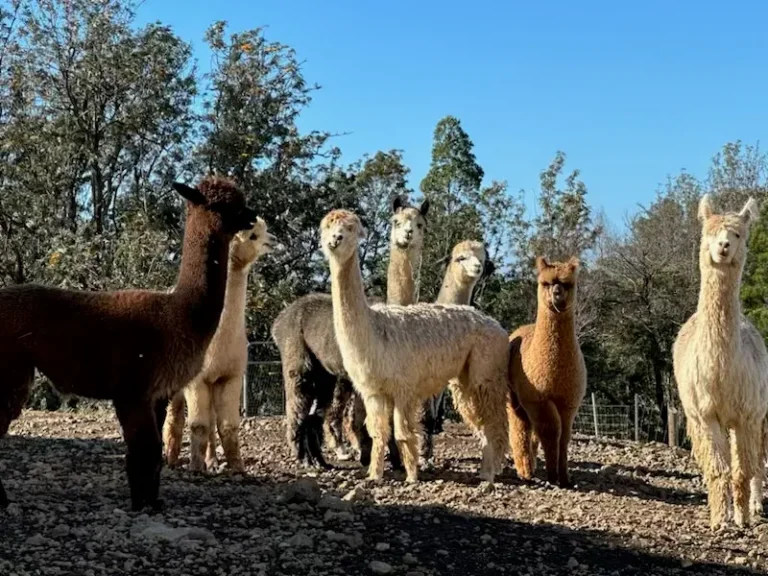
An alpaca standing in a pasture has a unique presence. Their soft fleece, upright ears, expressive faces, and generally quiet behavior make them popular with both farmers and visitors.
For people researching alpacas for sale, however, appearance should only be the beginning.
A beautiful animal is not automatically a healthy or productive animal.
What Should You Know Before Looking at Alpacas for Sale?
Before contacting sellers, decide what you actually want from your alpaca purchase.
Are you interested in fiber production?
Do you want breeding stock?
Are you looking for animals for a hobby farm?
Do you want young alpacas that can grow with your program?
Your answer will influence which alpacas for sale make the most sense for you.
A first-time owner may prefer calm, healthy animals with straightforward care requirements. Someone developing a serious breeding program may place much greater emphasis on genetics, conformation, pedigree, fleece characteristics, and reproductive history.
It is also worth considering how many animals you want.
Alpacas are social animals, so keeping a single alpaca may not be the best arrangement. New owners should research appropriate companionship and herd management before purchasing.
Types of Alpacas to Consider
When browsing alpacas for sale, you will commonly encounter Huacaya and Suri alpacas.
Huacaya Alpacas
Huacaya alpacas are the more common type.
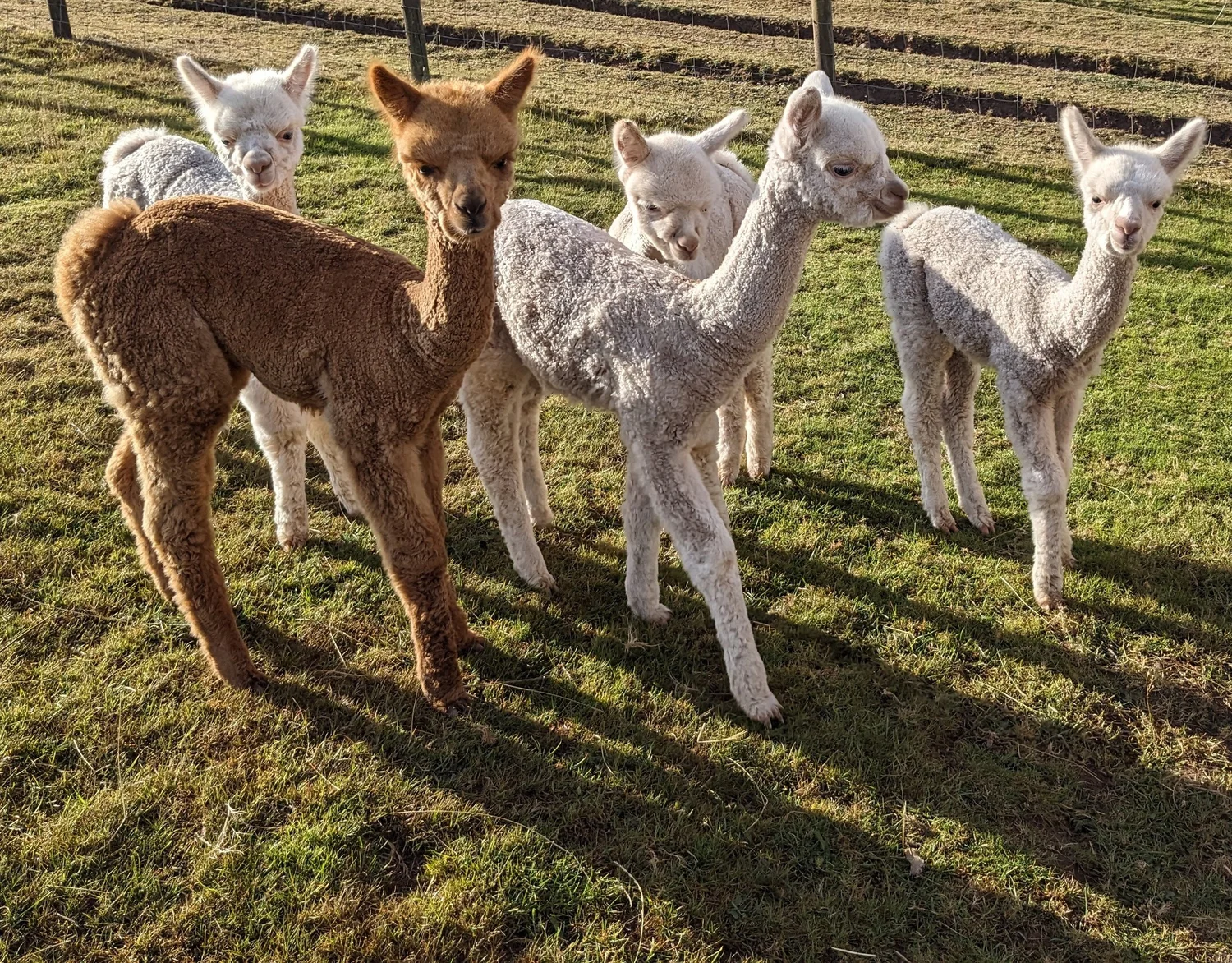
They have dense, crimpy fleece that gives them the fluffy appearance many people associate with alpacas.
Their fiber is widely valued for clothing, yarn, blankets, and other products.
For buyers interested in fiber production, Huacayas can be particularly attractive.
Suri Alpacas
Suri alpacas have a very different appearance.
Their fleece grows in long, silky locks that hang from the body. The texture and visual quality of Suri fiber are distinctive.
When comparing alpacas for sale, buyers interested in Suri fiber should pay close attention to lock structure, fineness, density, luster, and overall fleece condition.
Neither type is automatically better.
The right choice depends on your goals, available resources, and personal preference.
What Makes a Good Alpaca?
A good alpaca begins with good health.
When viewing alpacas for sale, look for an animal that appears alert and comfortable in its surroundings.
The alpaca should have clear eyes, a healthy-looking coat, normal movement, and an appropriate body condition.
Watch how the animal walks.
Look for obvious lameness, stiffness, weakness, or difficulty standing.
Pay attention to breathing as well.
An animal that appears unusually distressed, lethargic, or uncomfortable deserves further investigation before purchase.
Check the Body Condition
Body condition can tell you a great deal.
An alpaca should not look extremely thin or excessively overweight.
Feel rather than simply looking at the animal. Experienced owners can assess muscle and body condition more accurately through physical examination.
If you are new to alpacas, consider taking someone knowledgeable with you when inspecting alpacas for sale.
A second pair of experienced eyes can be extremely valuable.
Examine the Alpaca’s Feet and Legs
Feet are easy to overlook when buyers become focused on fleece.
Do not make that mistake.
Healthy movement is important.
Look at the alpaca standing naturally. Then observe it walking.
Check for uneven movement, unusual posture, swollen joints, or obvious hoof problems.
Poor conformation can become a long-term management issue, particularly if you plan to breed the animal.
When evaluating alpacas for sale, take time to observe how the animal moves instead of making a decision while it is standing still.
Pay Attention to Teeth
Dental health is another important consideration.
Young animals and mature animals can have different dental concerns.
Ask the seller about the alpaca’s dental history and whether it has experienced feeding difficulties.
A professional examination may be worthwhile before completing a significant purchase.
Good sellers should be willing to discuss the animal’s health honestly.
If a seller becomes uncomfortable with reasonable questions about health, history, or veterinary care, that should make you pause.
Look Carefully at the Fiber
For many people searching for alpacas for sale, fleece is one of the biggest attractions.
But evaluating fleece requires more than touching a soft coat.
Consider fineness, density, uniformity, staple length, crimp, coverage, and overall condition.
Ask whether the animal has been shorn regularly.
Find out whether fleece testing has been performed.
If fiber production is important to you, objective fiber information can be more useful than simply hearing that an animal has “beautiful fleece.”
Fiber Quality Can Change With Age
Remember that an alpaca’s fleece can change throughout its life.
Young animals may have impressive fleece, but buyers interested in breeding or long-term fiber production should consider the animal’s history and age.
Ask about previous shearing results where available.
This is particularly useful when comparing mature alpacas for sale.
Age Matters When Buying Alpacas
Age should be part of your decision.
Young alpacas may offer plenty of future potential, but they also come with uncertainty.
Mature animals can sometimes provide more information about their health, temperament, fleece performance, and breeding record.
Neither option is automatically superior.
If you are new to alpaca ownership, buying a mature, well-documented animal can sometimes make the learning curve easier.
When comparing alpacas for sale, consider what you are comfortable managing rather than choosing solely based on age.
Male or Female Alpaca?
Your goals will determine whether males or females are more appropriate.
Females may be especially important for breeding programs.
Males can also be valuable breeding animals when they have desirable genetics and physical characteristics.
Gelded males, sometimes called wethers, may be considered by owners primarily interested in companionship or fiber.
Before purchasing alpacas for sale, understand exactly what role each animal will play on your farm.
Buying Alpacas for Breeding
Breeding should never be treated as an afterthought.
If breeding is your goal, investigate the animal’s pedigree, reproductive history, conformation, health, and fiber characteristics.
Ask for documentation rather than relying only on verbal claims.
A breeding animal can influence your herd for years.
That makes careful selection particularly important when reviewing alpacas for sale.
You should also have a realistic plan for offspring.
Breeding without understanding the costs, market, facilities, and long-term responsibilities can quickly become overwhelming.
Ask the Seller Important Questions
A good seller should be able to answer basic questions about the animal.
Ask:
- How old is the alpaca?
- Is it male or female?
- What is its breeding history?
- Has it had any major health problems?
- When was it last shorn?
- What does it currently eat?
- Has it received routine veterinary care?
- Is registration available?
- Are pedigree records available?
- Has its fleece been tested?
- Why is the alpaca being sold?
These questions can help separate a carefully managed animal from one being marketed primarily on appearance.
When evaluating alpacas for sale, do not be afraid to ask for records.
Visit the Farm If Possible
Photographs can be helpful, but they do not tell the whole story.
If possible, visit the farm where the alpacas live.
Look at the overall environment.
Are the animals clean?
Do they have access to water?
Is the pasture reasonably maintained?
Are shelters available?
Do the animals appear relaxed and healthy?
The condition of the herd can tell you a great deal about management.
A farm visit is especially valuable when considering several alpacas for sale from the same seller.
Beware of Buying Based Only on a Photograph
An attractive photograph can make an alpaca look exceptional.
But photographs can hide problems.
The angle may disguise conformation issues. Thick fleece can hide body condition. A carefully selected pose may not show how the animal moves.
Use photographs as a starting point, not the final decision.
When possible, request recent photographs and videos before traveling to inspect alpacas for sale.
A short walking video can sometimes reveal information that a perfect standing photograph cannot.
How Much Do Alpacas Cost?
The price of alpacas for sale varies widely.
Several factors influence the asking price.
These may include age, sex, genetics, pedigree, fiber quality, breeding history, registration, health records, and overall quality.
Young animals may have different pricing from established breeding stock.
A proven breeding animal can command a substantially different price from a companion animal.
Do not assume the cheapest option is the best deal.
The true cost includes transportation, fencing, shelter, feed, veterinary care, shearing, and routine management.
Calculate the Full Cost of Ownership
Before buying alpacas for sale, create a realistic budget.
Your initial purchase is only one expense.
You may need fencing.
You may need a shelter.
You will need suitable feed and mineral supplementation according to local veterinary and nutritional guidance.
You will need regular shearing.
You may also need veterinary services, parasite management, transportation, and emergency funds.
Thinking about these expenses before purchasing can prevent unpleasant surprises later.
Preparing Your Property
Your property should be ready before your alpacas arrive.
Secure fencing is important.
Alpacas are generally not escape artists in the same way as some livestock, but good fencing still provides safety and helps manage the herd.
Shelter should protect them from harsh weather.
Clean drinking water should always be available.
Pasture should be managed carefully so animals have access to appropriate forage without relying on a single food source.
Before bringing home alpacas for sale, walk through your property and imagine managing the animals every day.
That simple exercise can reveal problems you might otherwise miss.
Feeding Alpacas
Nutrition plays a major role in keeping alpacas healthy.
Their diet should be based around appropriate forage and supplemented according to their nutritional needs.
Feed requirements can vary according to age, pregnancy, growth, body condition, pasture quality, and climate.
Avoid suddenly changing an alpaca’s diet.
If you purchase alpacas for sale, ask the seller what the animals are currently eating.
Keeping the diet consistent during the transition can help reduce unnecessary stress.
Any major nutritional changes should be made gradually and, when necessary, with guidance from an experienced livestock professional or veterinarian.
Veterinary Care Matters
Even hardy livestock need proper healthcare.
A new owner should establish a relationship with a veterinarian familiar with camelids if one is available in the area.
Routine observation is equally important.
Spend time watching your alpacas.
Notice changes in appetite, movement, behavior, body condition, and manure.
Small changes can sometimes provide an early warning that something is wrong.
Good healthcare should begin immediately after purchasing alpacas for sale, not only when an obvious problem appears.
Shearing Is Part of Alpaca Ownership
Alpacas produce fiber, which means shearing is part of responsible management.
Most alpacas require regular shearing to remove their fleece and maintain comfort.
Shearing also gives owners an opportunity to examine the animal more closely.
Before buying alpacas for sale, ask when the animals were last shorn and who normally performs the work.
If you are purchasing fiber-producing animals, also learn how fleece is handled after shearing.
Alpaca Temperament
Alpacas are often calm and observant.
However, individual personalities vary.
Some are naturally curious.
Others may be more reserved.
Some tolerate handling easily, while others require more patient training.
When viewing alpacas for sale, spend a little time watching how they react to people.
A calm animal is not necessarily one that never moves. Instead, look for an animal that responds normally without showing excessive fear or aggression.
Buying Alpacas for a Small Farm
A small farm can be an excellent environment for alpacas when properly managed.
They can fit into a mixed livestock operation, although owners should understand species-specific nutritional, health, and fencing considerations.
If you are new to livestock, start with a manageable number.
Buying too many animals before you understand daily care can create unnecessary pressure.
A smaller, well-managed herd is often a better starting point than purchasing a large group of alpacas for sale immediately.
Alpacas for Fiber Production
Fiber is one of the biggest reasons people purchase alpacas.
High-quality alpaca fiber can be soft, warm, and versatile.
However, producing useful fiber requires good genetics and consistent management.
When buying alpacas for sale specifically for fiber, investigate fleece information carefully.
Look beyond color.
Fineness, density, uniformity, staple length, and consistency can all matter depending on your goals.
You should also consider how you will process and sell the fiber.
Owning fiber-producing animals and building a profitable fiber business are two different things.
Choosing Alpaca Colors
Alpacas come in a range of natural colors, and color can influence buyer preferences.
Common shades include white, fawn, brown, gray, and black, along with various variations.
Color preference is largely a matter of personal taste and market demand.
When browsing alpacas for sale, do not allow color to distract you from health, structure, and overall quality.
A healthy animal with excellent characteristics may be a better long-term choice than a visually unusual animal with significant management concerns.
Transportation After Buying
Transportation needs to be planned before you purchase.
Ask the seller how the alpaca will be transported and whether you need to arrange your own livestock transport.
The vehicle should provide adequate ventilation, secure footing, and enough room for the animals.
Avoid unnecessary travel delays.
Once you purchase alpacas for sale, having the transport arrangements ready can make the move considerably smoother.
Helping New Alpacas Settle In
Moving to a new property is stressful for livestock.
Give new arrivals time to adjust.
Provide clean water, familiar feed where possible, appropriate shelter, and a quiet environment.
Avoid immediately overwhelming them with excessive handling.
Watch their behavior closely during the first several days.
If you notice signs of illness or unusual behavior, contact a veterinarian.
A calm transition can help newly purchased alpacas for sale settle into their new environment more comfortably.
Common Mistakes First-Time Buyers Make
One common mistake is buying based entirely on appearance.
Another is choosing the cheapest animal without investigating why it is inexpensive.
Some buyers also underestimate ongoing costs.
Others purchase animals without preparing their property.
Another mistake is failing to ask for health and breeding records.
When searching for alpacas for sale, slow down and gather information before making a commitment.
There is rarely a good reason to rush a livestock purchase.
How to Find Reputable Alpacas for Sale
Start by researching sellers carefully.
Look for breeders and farms that are transparent about their animals.
A reputable seller should be willing to answer questions and provide relevant information.
Ask for recent photographs, videos, health records, pedigree information where applicable, and details about the animal’s history.
When comparing alpacas for sale, reputation can be just as important as price.
You are not simply buying an animal.
You are choosing the person or farm that has managed that animal before you.
What Makes a Seller Trustworthy?
Trustworthy sellers usually communicate clearly.
They do not need to claim that every animal is perfect.
In fact, honest discussion of an animal’s strengths and weaknesses can be a positive sign.
Ask direct questions.
If the seller explains the animal’s history, feeding routine, health management, and reason for sale clearly, you can make a better decision.
This matters when comparing online listings for alpacas for sale, where buyers may have limited information.
Online Alpaca Buying Tips
Online listings make it easier to discover animals outside your local area.
But online buying requires extra caution.
Do not send money simply because a listing looks attractive.
Verify the seller.
Request current photographs and videos.
Confirm the animal’s identity.
Ask for documentation.
Discuss transportation before making payment.
If something feels rushed or unusually complicated, take a step back.
A legitimate transaction involving alpacas for sale should allow reasonable time for questions and verification.
A Simple Alpaca Buying Checklist
Before purchasing, review the following:
- Define your reason for buying.
- Decide whether you want Huacaya or Suri.
- Set a realistic budget.
- Prepare fencing and shelter.
- Research the seller.
- Review health information.
- Ask about age and history.
- Examine body condition.
- Watch the animal walk.
- Inspect feet and legs.
- Evaluate fleece quality.
- Ask about shearing.
- Review breeding information if applicable.
- Arrange transportation.
- Prepare feed and water.
- Have veterinary support available.
This checklist can make the process of comparing alpacas for sale much less overwhelming.
Are Alpacas a Good Investment?
Whether alpacas are a good investment depends on your goals.
Some owners focus on fiber.
Others build breeding programs.
Some simply enjoy keeping alpacas as part of a small farm.
There is no guaranteed return from livestock ownership.
Costs can be significant, and markets can change.
If you are considering alpacas for sale as a business investment, create a detailed plan before purchasing.
Estimate revenue conservatively.
Calculate your ongoing costs.
Think about your local market.
Most importantly, understand that good animal husbandry should come before profit.
Questions to Ask Before You Buy
If you are still comparing alpacas for sale, ask yourself:
Why do I want alpacas?
How much land do I have?
Can I provide appropriate shelter?
Can I afford routine care?
Do I have access to veterinary services?
Who will care for the animals when I travel?
What will I do with the fiber?
Do I want to breed?
Am I prepared for unexpected veterinary expenses?
These questions may seem simple, but honest answers can prevent expensive mistakes.
Frequently Asked Questions
Are alpacas easy to care for?
Alpacas can be manageable livestock, but they still require responsible daily care. They need appropriate nutrition, clean water, shelter, fencing, regular shearing, health monitoring, and veterinary attention.
How many alpacas should a beginner buy?
That depends on your property, resources, and experience. Because alpacas are social animals, beginners should research suitable herd arrangements rather than planning around a single animal.
What should I look for when buying an alpaca?
Look for good body condition, normal movement, healthy eyes, sound feet and legs, appropriate behavior, and a clean, well-maintained coat. Ask for health, breeding, and management records.
Are Huacaya or Suri alpacas better?
Neither is universally better. Huacaya and Suri alpacas produce different types of fiber. Your choice should depend on your goals and preferences.
Can alpacas live with other livestock?
They can sometimes be managed alongside other livestock, but compatibility depends on the species, pasture, fencing, nutrition, and health-management requirements.
How much do alpacas cost?
Prices vary considerably based on age, genetics, sex, fiber quality, pedigree, breeding history, registration, and other factors. Always consider ongoing ownership costs as well as the purchase price.
Is alpaca fiber valuable?
Quality alpaca fiber can have strong appeal because of its softness, warmth, and natural characteristics. Its value depends on quality, processing, market demand, and how effectively it is marketed.
Should I visit a seller before buying?
Whenever practical, yes. Seeing the animal, herd, property, and management conditions can provide valuable information that photographs cannot.
Can I buy alpacas online?
Yes, online listings can help buyers discover animals, but you should verify the seller, request current information, review documentation, and arrange secure transportation before completing a purchase.
Final Thoughts
Buying an alpaca should be an exciting experience, not a rushed one.
There are plenty of beautiful animals available, but the best purchase is the one that fits your goals, property, budget, and experience.
Take time to compare health, temperament, age, fiber, genetics, and history.
Speak with sellers.
Ask questions.
Visit farms when possible.
And never be afraid to walk away from an animal that does not meet your requirements.
The search for alpacas for sale becomes much easier when you know exactly what you are looking for.
Whether your dream is a small homestead, a fiber-focused farm, a breeding program, or simply a peaceful pasture filled with these remarkable animals, careful preparation will give you a much stronger start.
The right alpaca is not necessarily the most expensive one or the one with the most impressive photograph.
It is the animal that is healthy, suitable for your goals, responsibly raised, and supported by a seller you can trust.
Take your time, do your homework, and make the decision with both your head and your heart.