Alpacas to Buy: How to Find the Right Animals, Choose a Trusted Seller, and Build a Healthy Herd
Buying livestock is one of those decisions that looks simple from the outside.
You find an animal you like, agree on a price, arrange transportation, and bring it home.
With alpacas, though, there is a little more to it.
If you are searching for alpacas to buy, you are probably already thinking beyond the purchase itself. You may be interested in fiber, breeding, farming, homesteading, agritourism, or simply enjoying these unusual and fascinating animals.
Whatever your reason, the goal should be the same: find healthy animals that fit your plans.
That means slowing down before you spend money.
A good alpaca does not have to be the most expensive one in the listing. It does not have to have the most impressive photograph either.
Sometimes the best purchase is simply an animal with good health, a suitable temperament, a useful history, and characteristics that match what you actually want to accomplish.
This guide takes a practical look at finding alpacas to buy, from the first search to the day your new animals arrive at your property.
Why Alpacas Have Become Popular With Farm Owners
There is something different about alpacas.
They are smaller than many traditional livestock species, have distinctive personalities, and produce valuable natural fiber. That combination has attracted farmers, smallholders, fiber enthusiasts, and hobby owners.
For some people, alpacas to buy represent the beginning of a fiber business.
For others, they are part of a breeding program.
Some owners are interested in producing yarn and other products, while others simply enjoy having a small herd on their land.
That variety is part of what makes alpacas appealing.
You can build your operation around your own interests.
But before searching for alpacas to buy, it is worth deciding exactly what those interests are.
Start With Your Reason for Buying
Do not begin with price.
Begin with purpose.
If you are searching for alpacas to buy for fiber production, fleece characteristics should be high on your list.
If you are building a breeding herd, genetics and conformation deserve more attention.
If you want animals for a small hobby farm, temperament and ease of management may matter more.
A buyer interested in agritourism may want calm animals that are comfortable around visitors.
There is no single checklist that works for everyone.
The best alpacas to buy depend on what you want them to do.
Before contacting sellers, write down your priorities. This small step can prevent you from getting distracted by animals that look impressive but do not actually fit your operation.
Decide How Many Animals You Need
It is tempting to start with a large herd.
More animals can seem like a faster way to build a business.
However, more animals also mean more feeding, more cleaning, more health management, more fencing requirements, and more expenses.
When researching alpacas to buy, think realistically about how many animals you can comfortably manage.
A smaller beginning can give a new owner time to learn.
You can understand your pasture.
You can develop a relationship with a veterinarian.
You can learn your animals’ personalities.
You can improve your daily routine before expanding.
There is nothing wrong with starting modestly and growing when you are ready.
Know the Difference Between Huacaya and Suri
One of the first things you will notice when looking at alpacas to buy is that they do not all have the same type of fleece.
The two main types are Huacaya and Suri.
Huacaya Alpacas
Huacayas are the type many people immediately picture when they think about alpacas.
Their fleece generally has a dense, crimped appearance.
They are particularly popular with fiber producers.
If you are evaluating Huacaya alpacas to buy, examine density, fineness, crimp, staple length, uniformity, and overall fleece condition.
Do not judge quality entirely by how fluffy an animal looks.
If fiber production is important to you, ask about objective fiber testing when available.
Suri Alpacas
Suri alpacas have long, flowing locks that create a very different appearance.
Their fleece can have a distinctive luster and texture.
When comparing Suri alpacas to buy, look at lock structure, fineness, density, luster, and consistency.
Neither type should automatically be considered superior.
Your intended use should determine which type is right for you.
Health Should Come Before Appearance
A beautiful alpaca is easy to notice.
A healthy alpaca requires closer observation.
When inspecting alpacas to buy, look beyond the fleece.
Watch the animal stand.
Watch it walk.
Observe its behavior.
Look at its eyes.
Consider its body condition.
Ask about its feeding routine and medical history.
These observations do not replace a professional veterinary examination, but they can help you identify obvious concerns.
A thick fleece can hide a thin body.
A carefully staged photograph can hide poor movement.
That is why an in-person inspection is so valuable when possible.
Check Body Condition Carefully
Fleece makes alpacas unusual to evaluate.
You cannot always determine body condition simply by looking.
When considering alpacas to buy, ask an experienced alpaca owner or veterinarian to help you assess body condition if you are unfamiliar with what healthy condition should feel like.
Pay attention to whether the animal appears excessively thin or overweight.
Ask whether its body condition has recently changed.
Find out what it eats and whether there have been previous nutritional concerns.
The seller should be able to explain the animal’s normal routine.
If the answers are vague, slow down before purchasing alpacas to buy.
Watch How the Animal Moves
Movement can reveal things that photographs never will.
Ask to see the alpacas to buy walking naturally.
Watch the legs.
Look at the feet.
Notice whether the animal moves evenly.
Pay attention to stiffness or obvious discomfort.
This is especially important if you are considering animals for breeding.
Good structure can contribute to comfortable movement and easier management.
A beautiful fleece cannot compensate for serious structural concerns.
Inspect the Feet
Feet are easy to overlook when you are excited about purchasing alpacas to buy.
Do not make that mistake.
Ask the seller about routine foot trimming and care.
Look for obvious abnormalities.
Ask whether the animal has experienced recurring foot problems.
A small maintenance issue may be manageable.
A chronic problem could become expensive and frustrating.
If you are uncertain about what you see, seek experienced help before completing the purchase.
Pay Attention to Temperament
Every alpaca has its own personality.
Some are curious.
Some are cautious.
Some are relaxed around people.
Others take more time to become comfortable.
When evaluating alpacas to buy, spend a few minutes simply observing.
How does the animal react when people approach?
Does it settle after being startled?
How does it behave when handled?
This matters because routine care requires interaction.
Shearing, foot care, veterinary examinations, transportation, and other tasks are easier when animals can be handled calmly.
Do Not Buy Based on a Photograph Alone
Online photographs are useful.
They are not enough.
A photograph cannot show you everything about alpacas to buy.
It cannot tell you how an animal walks.
It cannot fully demonstrate temperament.
It cannot provide a complete picture of health.
It cannot replace records.
Before purchasing, request recent photographs and videos.
Ask when they were taken.
If possible, visit the farm.
A seller who is confident in the animals should generally understand why a serious buyer wants more information.
Ask Why the Animal Is Being Sold
This is one of the simplest questions you can ask.
Why is this animal available?
There are many perfectly reasonable answers.
A breeder may be reducing herd numbers.
A farm may be changing its breeding direction.
An owner may be retiring.
An animal may simply no longer fit the program.
When looking at alpacas to buy, the reason for sale gives you useful background.
It does not automatically make an animal good or bad.
It simply gives you another piece of the puzzle.
Ask for Records
Records can make your decision much easier.
Depending on the animal, ask about age, registration, pedigree, veterinary history, breeding history, vaccinations where applicable, shearing, and fiber testing.
When comparing alpacas to buy, written documentation is more useful than vague claims.
You want to understand what you are purchasing.
If a seller says an animal has excellent genetics, ask for the supporting pedigree.
If the seller describes exceptional fleece, ask whether testing is available.
Good documentation adds confidence.
Consider the Animal’s Age
Age changes what you know about an alpaca.
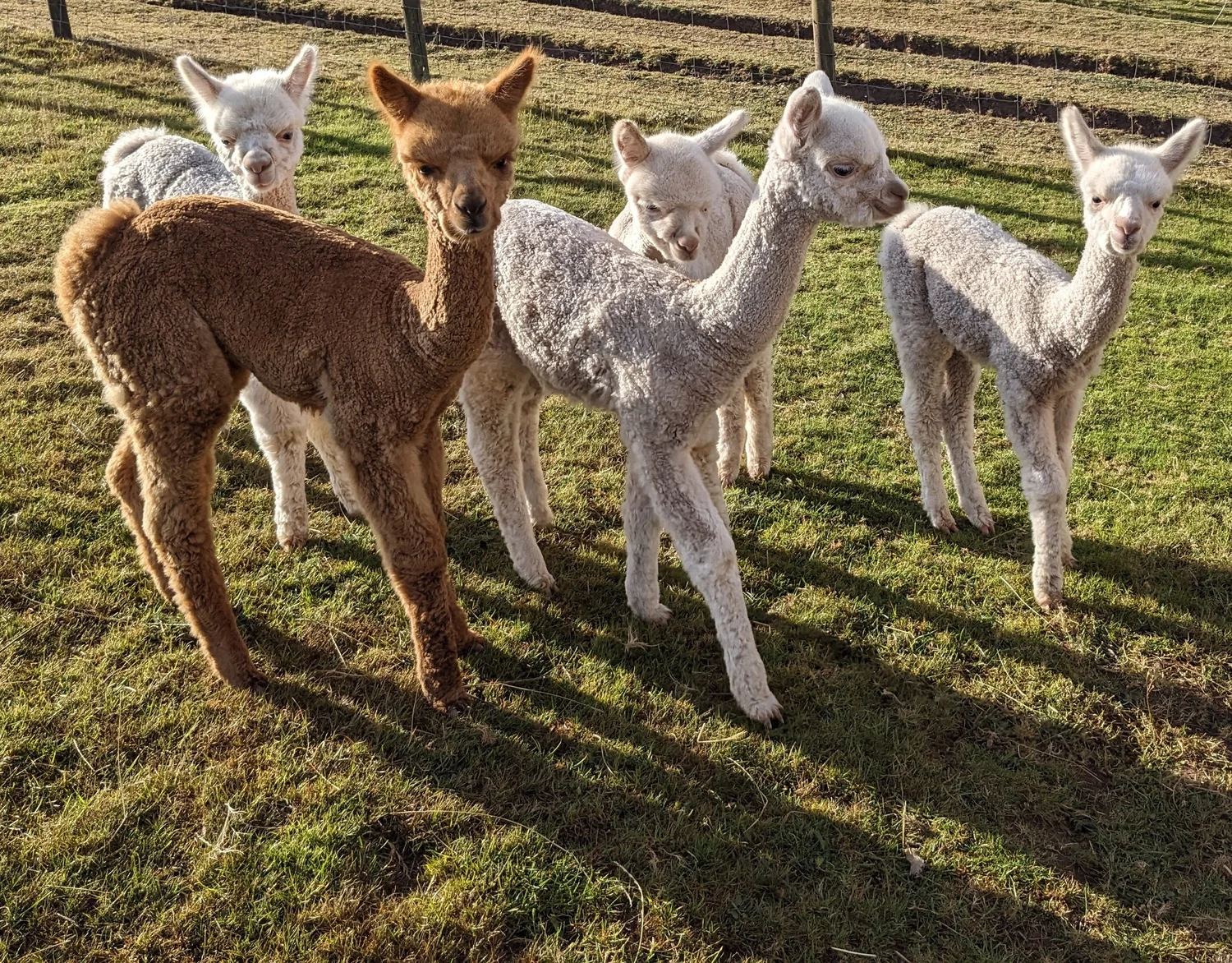
Young animals may offer potential.
However, their final characteristics are still developing.
Mature alpacas to buy give you more information.
You can evaluate developed fleece, size, temperament, structure, health history, and, in some cases, breeding performance.
A mature animal is not necessarily a better purchase.
A young animal is not necessarily a risk.
The right choice depends on your goals, budget, and willingness to wait for development.
Choosing Females
Females can become important foundation animals in a breeding program.
When evaluating female alpacas to buy, consider health, reproductive history, genetics, structure, fleece, and temperament.
Ask whether the female has previously been bred.
If she has produced offspring, ask about her history.
If she is young and unproven, understand that you are buying potential rather than established breeding performance.
That is not necessarily negative.
It simply affects how you should evaluate the purchase.
Choosing Males
A breeding male can have a significant influence on a herd.
If you are looking for male alpacas to buy, pay close attention to genetics and conformation.
Review pedigree information.
Look at fleece.
Consider health.
Ask about breeding history where applicable.
Do not purchase a male solely because he looks impressive.
Think about what characteristics he could contribute to future generations.
Buying Alpacas for Fiber
Fiber buyers need to think differently.
If you are searching for alpacas to buy for fleece production, learn what characteristics matter to your intended market.
Fineness is important.
Density can matter.
Staple length matters.
Uniformity matters.
Crimp can be important for particular products.
Color may matter depending on what you plan to sell.
If testing is available, use it.
Objective information can be much more useful than a seller simply saying that an animal has “excellent fleece.”
Think About Your Fiber Business Before Buying
Owning fiber-producing animals is one thing.
Building a fiber business is another.
Before purchasing alpacas to buy, ask yourself how you will use the fleece.
Will you sell raw fleece?
Will you have it processed into yarn?
Will you make finished products?
Will you sell directly to consumers?
Will you attend markets or craft events?
A successful operation needs customers as well as animals.
Do not assume that buying more animals automatically creates more profit.
The business model should come first.
Consider Natural Fleece Colors
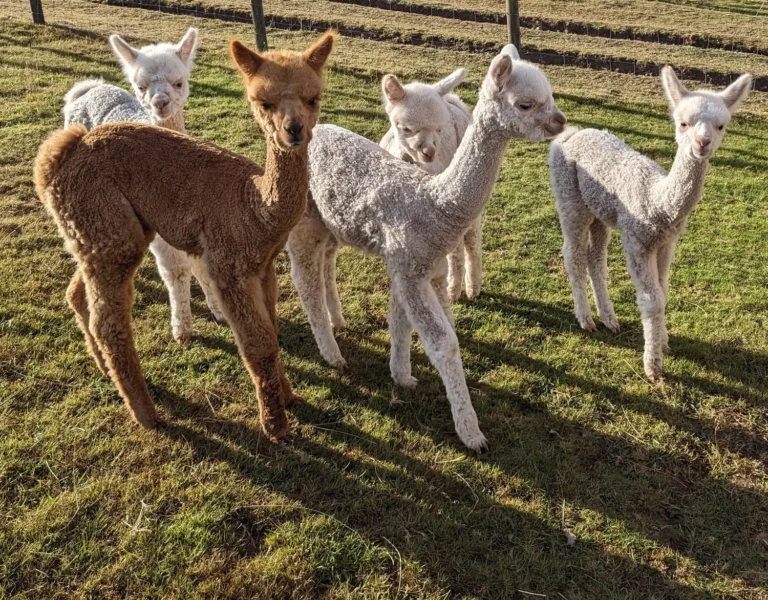
Alpacas can be found in a wide range of natural shades.
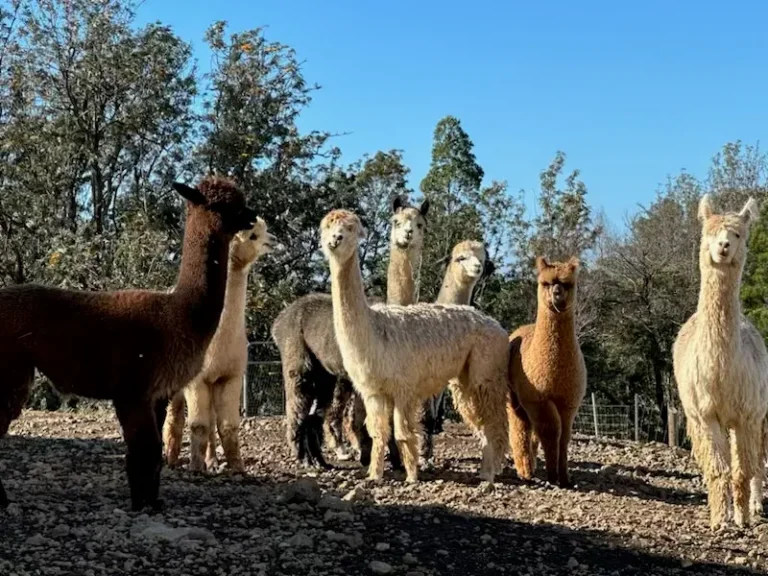
White, cream, fawn, brown, gray, and black are among the colors buyers may encounter.
When choosing alpacas to buy, color can certainly be part of your decision.
But it should not be the only factor.
If you are selling fiber, research what your customers prefer.
If you are breeding, think about how color fits into your longer-term goals.
And if you are simply keeping alpacas because you love them, choose the colors that make you smile.
Finding a Reputable Seller
Where you buy matters almost as much as what you buy.
There are several places to find alpacas to buy, including established farms, breeders, livestock networks, agricultural events, and online listings.
Start by investigating the seller.
How long have they been raising alpacas?
Can they answer detailed questions?
Do they provide records?
Are they willing to show current photographs or video?
Can you visit the farm?
A transparent seller makes the buying process much easier.
Visit the Farm If Possible
A farm visit can tell you things a listing never will.
When visiting a seller of alpacas to buy, observe the animals and their surroundings.
Are they alert?
Is clean water available?
Is shelter provided?
Does the fencing appear secure?
Are the animals reasonably clean and well cared for?
Does the seller seem knowledgeable?
You are not looking for perfection.
You are looking for evidence of responsible management.
The environment tells a story.
Compare More Than One Animal
Do not feel obligated to purchase the first alpaca you see.
If possible, compare several alpacas to buy.
Make notes.
Compare health.
Compare structure.
Compare fleece.
Compare temperament.
Compare records.
Compare price.
This approach makes it easier to identify genuine value.
It also prevents excitement from turning into an impulsive purchase.
Understanding the Price
The price of alpacas to buy can vary considerably.
Age, genetics, pedigree, sex, fleece quality, registration, health, and breeding history can all influence value.
A proven breeding animal may cost considerably more than a non-breeding animal.
A young alpaca may have potential but less established performance.
There is no single price that defines a “good deal.”
Instead, ask why an animal has its particular price.
What characteristics are included?
What information supports the seller’s valuation?
Do Not Focus Only on the Cheapest Animals
Cheap is not always cheap in the long run.
When evaluating alpacas to buy, consider the total cost of ownership.
An animal that requires extensive veterinary care may ultimately cost much more than a healthier animal purchased at a higher initial price.
The same applies to fencing, transportation, feed, and other farm expenses.
Look at value.
Not just price.
Build a Complete Budget
Before bringing alpacas to buy home, calculate your expected expenses.
Your budget may include:
- Purchase price
- Transportation
- Feed
- Minerals
- Fencing
- Shelter
- Shearing
- Veterinary care
- Foot care
- Parasite management
- Equipment
- Emergency expenses
Leave room for unexpected costs.
Livestock ownership rarely goes exactly according to plan.
A financial cushion makes those surprises easier to handle.
Prepare Your Property
Your farm should be ready before alpacas to buy arrive.
Check your fencing.
Make sure gates work.
Prepare shelter.
Set up water.
Review pasture.
Organize feed storage.
Create an appropriate area for new arrivals.
Doing this ahead of time makes the transition smoother.
You do not want to be repairing a broken gate while trying to unload animals.
Water Comes First
Fresh, clean water is one of the simplest but most important requirements.
Before purchasing alpacas to buy, make sure your water system is reliable.
Check containers regularly.
Keep them clean.
Make sure animals can reach water easily.
Pay particular attention during periods of high temperatures.
Good hydration is basic livestock management.
Plan for Shelter
Alpacas need suitable protection from difficult weather.
Your shelter design should reflect your local climate.
Think about shade.
Think about wind.
Think about rain.
Think about ventilation.
When preparing for alpacas to buy, walk around your property and identify where animals can seek protection.
A practical shelter does not have to be elaborate.
It simply needs to provide appropriate protection.
Feeding Your New Animals
Ask the seller what the alpacas to buy currently eat.
Knowing their existing diet can help you plan the transition.
Avoid making unnecessary sudden changes.
If you need to modify the feeding program, make changes gradually and seek professional guidance when necessary.
Nutritional needs can vary with age, body condition, growth, pregnancy, pasture quality, and other circumstances.
Arrange Veterinary Support
Do not wait for an emergency before finding a veterinarian.
Before bringing alpacas to buy home, identify a professional who is familiar with camelids or livestock in your area.
Ask about routine care.
Ask what records you should maintain.
Discuss preventive management.
Knowing who to contact can make stressful situations much easier.
Think About Shearing
Shearing is part of alpaca ownership.
When looking at alpacas to buy, ask when each animal was last shorn.
Find out who normally handles the work.
Research local shearers before the animals arrive.
In areas with limited professional services, scheduling early can be especially important.
Plan Transportation Carefully
Transportation should be arranged before the purchase is finalized.
When transporting alpacas to buy, use suitable livestock transport with adequate ventilation and secure footing.
Keep travel as calm and efficient as possible.
Avoid unnecessary stops.
Have the destination ready before leaving the seller’s property.
A well-planned trip reduces stress for both the animals and the people involved.
Give New Alpacas Time to Settle
The first few days are about adjustment.
After bringing alpacas to buy home, keep the environment calm.
Provide familiar feed initially where practical.
Make sure water is available.
Avoid unnecessary handling.
Observe eating, movement, and general behavior.
New surroundings can be overwhelming.
A quiet transition gives animals time to become familiar with their new environment.
Protect Your Existing Herd
If you already have alpacas, discuss quarantine procedures with your veterinarian before introducing alpacas to buy.
New animals can potentially bring health problems into an established herd.
A period of separation may be appropriate depending on your circumstances and veterinary advice.
Do not rush introductions simply because the animals appear healthy.
Protecting your existing herd is part of responsible livestock ownership.
Buying Alpacas Online
Online shopping can make it much easier to find alpacas to buy from distant farms.
But convenience comes with responsibility.
Ask for recent photographs.
Request current video.
Confirm the animal’s location.
Request records.
Ask about transportation.
If possible, arrange an independent inspection.
Never let an online seller’s urgency replace your normal due diligence.
Warning Signs in an Online Listing
Be cautious when looking at alpacas to buy if a seller:
- Refuses reasonable questions.
- Cannot provide current photographs.
- Avoids video requests.
- Gives inconsistent information.
- Refuses reasonable inspection.
- Uses extreme pressure to complete payment.
- Makes unrealistic promises.
- Cannot clearly explain where the animal is located.
One warning sign may not tell the whole story.
Several together deserve serious attention.
Ask About the Animal’s History
History can be incredibly useful.
When considering alpacas to buy, ask where the animal came from.
Ask how long the seller has owned it.
Ask about previous health concerns.
Ask about breeding.
Ask about diet.
Ask about shearing.
Ask about behavior.
You are trying to build a picture of the animal’s life.
The more complete that picture is, the easier it becomes to make a sensible decision.
Beginners Can Buy Alpacas
You do not need to be an experienced livestock farmer to own alpacas.
But you do need to be willing to learn.
If you are new to alpacas to buy, visit farms and speak with experienced owners before purchasing.
Learn the basics of nutrition, fencing, handling, shearing, health care, and pasture management.
Starting with a manageable number can also make learning easier.
There is no prize for becoming overwhelmed.
Are Alpacas Suitable for Small Farms?
They can be.
Many people find alpacas appealing for smaller properties.
However, their relatively modest size does not mean they require no management.
When planning for alpacas to buy, consider your available land, pasture quality, shelter, fencing, water, and ability to provide daily care.
The quality of management matters more than simply counting acres.
Can Alpacas Become a Business?
Yes, alpacas can be part of businesses involving fiber, breeding, farm experiences, education, and finished products.
But no livestock purchase guarantees profit.
If you are buying alpacas to buy as a business investment, build a realistic plan first.
Research your customers.
Calculate your costs.
Understand processing.
Think about transportation.
Consider marketing.
Estimate revenue conservatively.
A successful operation is built through good management rather than optimism alone.
Common Mistakes to Avoid
The first mistake is rushing.
The second is buying based entirely on appearance.
The third is choosing the cheapest animal without investigating why it is cheap.
Another mistake is failing to budget for ongoing expenses.
Some new owners also underestimate fencing, shearing, veterinary care, and transportation.
If you are serious about alpacas to buy, preparation is one of the best investments you can make.
Create a Buying Checklist
A checklist keeps your emotions under control.
For every animal you consider, record:
- Age
- Sex
- Type
- Health
- Body condition
- Feet
- Legs
- Temperament
- Fleece quality
- Genetics
- Pedigree
- Breeding history
- Registration
- Price
- Seller information
- Transportation requirements
When comparing alpacas to buy, having the same information for each animal makes the decision much easier.
Questions to Ask the Seller
Before purchasing alpacas to buy, ask:
How old is the animal?
What is its health history?
What does it currently eat?
When was it last shorn?
Does it have registration papers?
Is pedigree information available?
Has its fleece been tested?
Has it been bred?
What is its temperament like?
Why is it being sold?
What transportation arrangements are available?
The answers can reveal both the strengths of the animal and the reliability of the seller.
Frequently Asked Questions
What should I look for when choosing alpacas?
When evaluating alpacas to buy, start with health and body condition. Then consider movement, feet, legs, temperament, fleece, age, genetics, pedigree, and the animal’s history.
Is it better to buy young or mature alpacas?
Both can be good choices. Young animals offer potential, while mature alpacas to buy allow you to evaluate established characteristics such as fleece, size, temperament, and breeding history.
How many alpacas should a beginner purchase?
There is no universal number. Your property, budget, experience, and management ability should determine the appropriate herd size. Remember that alpacas are social animals and should not be treated like solitary livestock.
What is the difference between Huacaya and Suri?
Huacaya alpacas generally have dense, crimped fleece. Suri alpacas have longer, flowing locks. Both can be valuable depending on what you want from your alpacas to buy.
How much do alpacas cost?
There is no fixed price. The value of alpacas to buy can depend on age, genetics, sex, pedigree, fleece quality, registration, health, and breeding history.
Should I inspect an alpaca before purchasing?
Yes, whenever possible. An in-person inspection lets you observe movement, temperament, body condition, feet, fleece, and the general environment where the animal was raised.
Can I find alpacas online?
Yes. Online listings can be useful when searching for alpacas to buy, especially when looking beyond your local area. However, verify the seller, request current information, and arrange an inspection whenever possible.
Are alpacas difficult to care for?
They require regular care, but beginners can learn responsible alpaca management. Proper feeding, water, shelter, fencing, shearing, health care, and observation are important.
Can alpacas produce income?
They can be part of businesses based on fiber, breeding, farm experiences, and products. However, income is not guaranteed. Anyone purchasing alpacas to buy for commercial purposes should create a realistic business plan.
What should I do before my new alpacas arrive?
Prepare fencing, shelter, water, feeding areas, transportation, and veterinary support. Having everything ready makes bringing alpacas to buy home much less stressful.
Final Thoughts
Finding the right alpacas to buy does not have to be complicated.
It simply requires patience.
Know what you want before you start shopping.
Understand the difference between Huacaya and Suri.
Look beyond appearance.
Check body condition.
Watch movement.
Inspect feet.
Ask about temperament.
Request records.
Understand genetics.
Compare sellers.
Visit farms when possible.
And always think about the long-term cost of ownership.
The best alpacas to buy are not necessarily the cheapest animals or the most expensive ones.
They are animals that fit your purpose.
They should be healthy, manageable, and appropriate for your property and plans.
If you want fiber, prioritize the characteristics that matter to your market.
If you want breeding stock, study genetics and structure.
If you are starting a hobby farm, focus on manageable animals and a realistic herd size.
Most importantly, give yourself permission to walk away from a purchase that does not feel right.
There will always be another opportunity.
Taking your time today can save you considerable trouble tomorrow.
With careful research, realistic budgeting, and a good understanding of livestock management, choosing alpacas to buy can become the beginning of a genuinely rewarding farm experience.