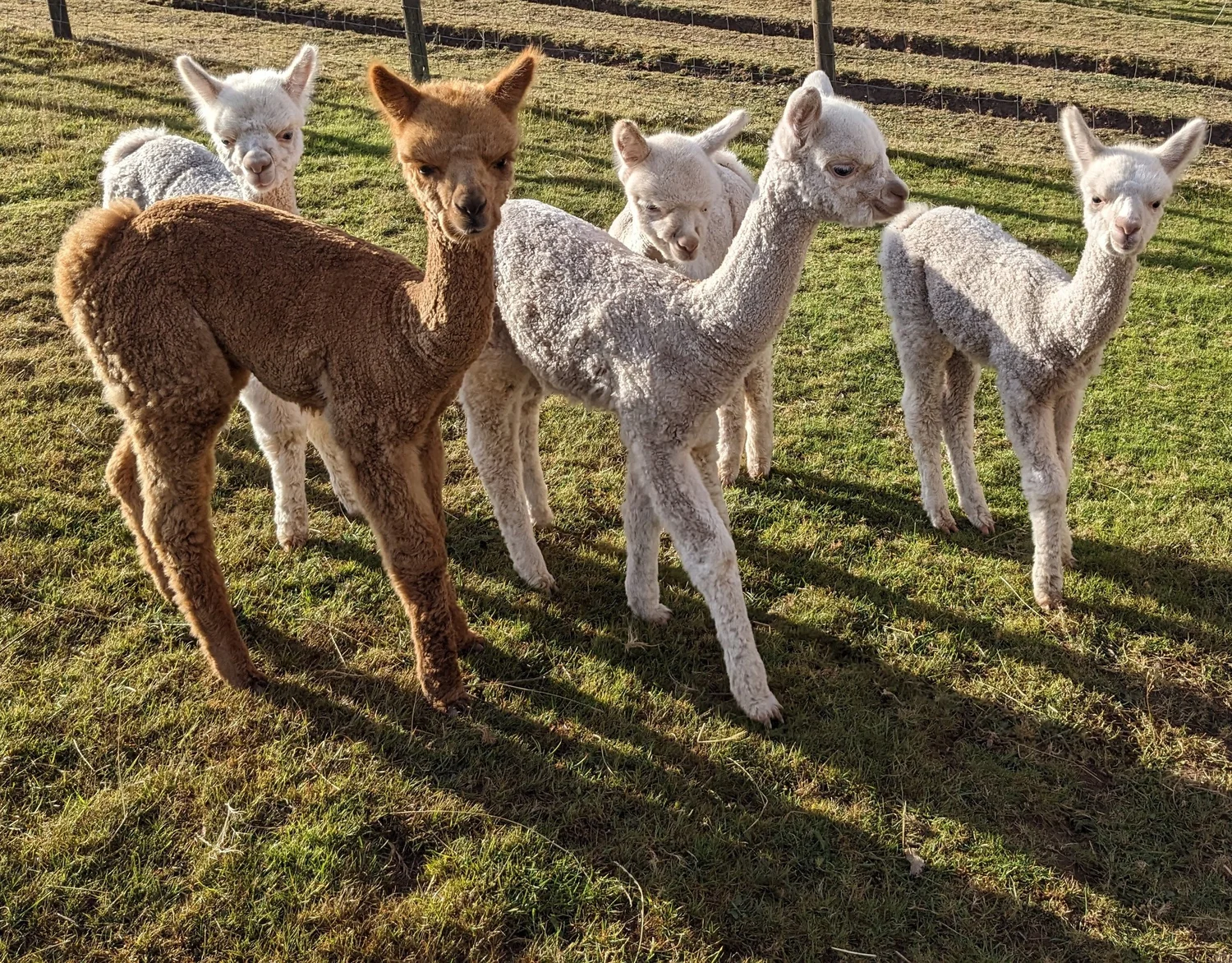
Alpacas to Buy: A Straightforward Guide to Choosing the Right Animals for Your Farm
There is a certain charm to alpacas that is hard to explain until you have spent time around them.
They are quiet. They are curious. They have distinctive personalities, and their soft fleece makes them especially appealing to farmers, fiber enthusiasts, and people building small homesteads.
But choosing livestock should never be based on appearance alone.
If you are researching alpacas to buy, the most important thing is finding animals that fit your goals, property, budget, and level of experience.
That sounds simple.
In reality, many first-time buyers make the same mistake. They see a beautiful photograph, fall in love with the animal, and start thinking about how quickly they can bring it home.
A better approach is to slow down.
Look carefully.
Ask questions.
Compare animals.
Check records.
Visit the farm if you can.
Then make your decision.
This guide takes a practical, buyer-focused look at alpacas to buy, from choosing the right type and checking health to understanding costs, finding reputable sellers, and preparing your property.
Why Are People Looking for Alpacas to Buy?
There are several reasons people become interested in alpacas.
Fiber is one of the biggest.
Alpaca fiber is valued for its softness, warmth, lightweight feel, and versatility. It can be used for yarn, clothing, blankets, accessories, and other products.
Other buyers are interested in breeding.
Some want to establish a small herd.
Others enjoy keeping alpacas as part of a hobby farm or homestead.
When searching for alpacas to buy, your reason for owning them should guide the entire process.
A person interested in fiber may prioritize fleece.
A breeder may focus on genetics and conformation.
A hobby owner may care more about temperament and manageable care.
There is no universal “best” alpaca.
There is only the right animal for your situation.
Decide What You Want Before Shopping
Before looking at alpacas to buy, write down your main goal.
Do you want fiber-producing animals?
Are you planning to breed?
Would mature animals be easier for you to manage?
Are you interested in natural-colored fleece?
Do you want a small herd or a larger operation?
These questions may seem basic, but they can save you a great deal of time.
For example, someone looking for breeding stock should evaluate an animal very differently from someone looking for a companion animal.
When comparing alpacas to buy, think about what you want the animals to contribute to your farm.
That makes it much easier to ignore listings that are attractive but unsuitable.
Understanding Huacaya and Suri Alpacas
Most buyers researching alpacas to buy will encounter two main types: Huacaya and Suri.
They have different fleece characteristics.
Huacaya Alpacas
Huacayas are the more commonly seen type.
Their fleece is generally dense and crimped, creating the fluffy appearance that many people immediately associate with alpacas.
They are popular among fiber producers.
When evaluating Huacaya alpacas to buy, look at fleece density, fineness, crimp, staple length, uniformity, and overall condition.
Do not rely entirely on touch.
If fiber is important to you, ask whether objective fleece-testing information is available.
Suri Alpacas
Suri alpacas have long, flowing locks.
Their fleece has a different appearance and texture from Huacaya fleece.
When evaluating Suri alpacas to buy, consider lock structure, luster, density, fineness, and consistency.
Neither type is automatically better.
Your goals should determine which one belongs on your property.
Start With Health
Health should be one of your first priorities when evaluating alpacas to buy.
Begin with simple observation.
Does the animal appear alert?
Does it move normally?
Does it have an appropriate body condition?
Do the eyes look clear?
Does the animal appear comfortable while breathing?
These basic observations do not replace professional veterinary assessment, but they can help you identify obvious concerns.
A thick fleece can hide a thin body.
A beautiful photograph can hide poor movement.
That is why you should look at the whole animal before choosing alpacas to buy.
Check Body Condition
Body condition can be difficult to judge when an alpaca has a heavy fleece.
That is why an experienced owner can be useful during an inspection.
If you are new to alpacas, consider asking someone knowledgeable to accompany you when examining alpacas to buy.
A healthy animal should generally have an appropriate body condition for its age and circumstances.
Extremely thin or excessively overweight animals deserve closer attention.
Ask the seller about diet, previous health problems, and any changes in body condition.
The goal is not perfection.
The goal is understanding what you are purchasing.
Watch the Alpaca Walk
Photographs are useful, but movement tells another story.
When inspecting alpacas to buy, ask the seller to let you watch the animal walk.
Look for obvious lameness.
Notice stiffness.
Pay attention to balance and posture.
Observe the feet and legs.
Movement is particularly important if you plan to use the animal for breeding.
A visually impressive alpaca with poor structure may create long-term management concerns.
When considering alpacas to buy, never let a beautiful fleece stop you from checking the animal underneath it.
Inspect the Feet and Legs
Feet are often forgotten by first-time buyers.
That is understandable.
People naturally focus on the face and fleece.
However, when comparing alpacas to buy, feet and legs deserve serious attention.
Ask about routine foot care.
Look for obvious swelling or abnormalities.
Ask whether the animal has experienced recurring problems.
Minor issues may be manageable.
Serious structural problems may change your decision completely.
If you are unsure what you are seeing, ask an experienced alpaca owner or veterinarian for help before purchasing alpacas to buy.
Look at the Alpaca’s Teeth
Dental health can become increasingly important as animals age.
Ask whether the animal has had dental problems.
Find out whether it has ever experienced difficulty eating.
If you are purchasing an older animal, consider whether a veterinary examination is appropriate.
When evaluating alpacas to buy, health information should carry more weight than a flattering sales description.
A seller who knows the animal well should be able to provide useful background information.
Temperament Matters
Some alpacas are naturally curious.
Others are reserved.
Some tolerate handling easily.
Others require patience.
When looking at alpacas to buy, spend a few minutes watching behavior.
You do not need an animal that behaves like a dog.
Alpacas are still livestock.
But an animal that can be handled calmly for routine care may make life much easier.
Think about shearing.
Think about foot care.
Think about veterinary visits.
Think about transportation.
A manageable temperament can be valuable when choosing alpacas to buy.
Don’t Choose Only by Appearance
This is perhaps the most important lesson for beginners.
The prettiest alpaca is not necessarily the best alpaca.
A dramatic photograph does not tell you about health.
A thick coat does not tell you about genetics.
A low price does not necessarily mean a bargain.
When reviewing alpacas to buy, consider the entire animal.
Health.
Structure.
Temperament.
Age.
Fleece.
Genetics.
History.
Suitability.
A balanced animal can be a much better purchase than one with a single outstanding characteristic.
Consider Age Carefully
Age affects what you know about an animal.
Young alpacas to buy can offer plenty of potential.
You get to watch them develop.
But some qualities are not fully established yet.
Mature animals give you more information.
You can see their developed conformation, fleece, size, temperament, and health history.
If an animal has breeding experience, you may also have reproductive information available.
Neither young nor mature is automatically better.
The right age depends on your goals.
Choosing Males, Females, or Gelded Animals
Your plans should determine the sex of the alpacas to buy.
Females may be useful foundation animals for breeding programs.
Selected males can contribute desirable genetics.
Gelded males can be suitable for non-breeding situations.
Before purchasing, decide what role each animal will play.
If breeding is not part of your plan, paying extra for breeding characteristics you will never use may not make sense.
When selecting alpacas to buy, match the animal to the job.
Ask the Seller Why the Animal Is Available
This is a simple question with a surprisingly useful answer.
Why is the animal being sold?
There are many legitimate reasons.
A breeder may be reducing herd size.
A farm may be changing its breeding goals.
An owner may be retiring.
The animal may simply no longer fit the program.
When comparing alpacas to buy, the reason for sale gives you context.
It does not automatically make the animal good or bad.
It simply helps you understand the circumstances surrounding the sale.
Request Health Records
Good records can make buying easier.
Depending on the animal, you may want information about age, health history, veterinary care, registration, pedigree, breeding, and shearing.
When reviewing alpacas to buy, ask for documentation where available.
Do not rely entirely on phrases such as “very healthy” or “excellent breeder.”
Ask what supports those descriptions.
A transparent seller should understand why buyers want information.
Ask About the Current Diet
Before bringing alpacas to buy home, find out what they are currently eating.
Ask about pasture.
Ask about supplemental feed.
Ask about minerals.
Ask how often they are fed.
This information can help you plan the transition.
Sudden dietary changes may not be ideal.
Keeping the initial diet familiar can make the move easier, after which adjustments can be made gradually based on the animal’s needs and professional guidance.
Fleece Quality and Fiber Production
For buyers interested in fiber, fleece deserves careful attention.
When examining alpacas to buy, look at fineness, density, staple length, uniformity, and other characteristics relevant to your intended market.
Ask whether fleece testing has been performed.
Testing can provide useful objective information.
If you plan to sell fiber, think about the entire production process.
How will the fleece be collected?
How will it be processed?
Who will buy it?
What products will you make?
Buying alpacas to buy for fiber without understanding the market can create unrealistic expectations.
Natural Colors and Buyer Preferences
Alpacas are available in a variety of natural colors.
White, cream, fawn, brown, gray, and black are among the shades you may encounter.
Some buyers strongly prefer particular colors.
Others care more about fiber quality.
If you plan to purchase alpacas to buy for a commercial fiber operation, research what customers in your target market actually want.
If you are keeping animals for enjoyment, choose the colors you love.
Just remember that color should not replace health and quality in your decision.
Finding Reputable Sellers
Where you buy matters.
You can find alpacas to buy through breeders, farms, livestock networks, agricultural events, online listings, and specialty marketplaces.
Start by researching the seller.
Look at how long they have been working with alpacas.
Ask questions.
Request recent photographs.
Ask for video.
Find out whether farm visits are possible.
A reputable seller should be willing to provide enough information for you to make a sensible decision.
Visit the Farm
If possible, visit before purchasing alpacas to buy.
The farm itself can tell you a great deal.
Look at the animals.
Look at their water.
Look at their shelter.
Look at their pasture.
Look at the fencing.
Observe the general condition of the herd.
You are not looking for an immaculate showplace.
You are looking for signs of consistent and responsible management.
The environment surrounding alpacas to buy can provide valuable clues about how they have been raised.
Compare Several Animals
Do not stop after seeing the first animal you like.
If possible, compare several alpacas to buy.
Look at them side by side.
Compare body condition.
Compare movement.
Compare fleece.
Compare temperament.
Compare records.
Compare price.
This can help you recognize what makes one animal different from another.
It also reduces the chance that emotion will control the entire purchase.
Understanding Alpaca Prices
Prices for alpacas to buy can vary significantly.
Age, genetics, sex, pedigree, fiber quality, registration, health, and breeding history can all affect value.
A young alpaca may be priced very differently from proven breeding stock.
A high-quality male may have a completely different market value from a gelded animal.
The important thing is to understand why the price is what it is.
Do not assume that the most expensive alpacas to buy are automatically the best.
Do not assume that the cheapest animals are bargains.
Look at the value behind the number.
Budget for More Than the Purchase
The purchase price is only the beginning.
When planning to acquire alpacas to buy, create a full ownership budget.
Consider:
- Feed
- Minerals
- Fencing
- Shelter
- Water
- Shearing
- Veterinary care
- Transportation
- Foot care
- Parasite management
- Emergency expenses
Your time has value too.
Animals need daily observation and care.
A realistic budget helps prevent unpleasant surprises.
Prepare Your Property First
Do not bring alpacas to buy home before the property is ready.
Check fencing.
Prepare shelter.
Set up water.
Review pasture quality.
Organize feed storage.
Plan where new arrivals will stay while they adjust.
Preparation is one of the simplest ways to reduce stress.
It also gives you time to identify problems while they are still easy to solve.
How Much Land Do Alpacas Need?
There is no single acreage requirement that applies to every operation.
Appropriate space depends on pasture quality, climate, stocking density, supplementary feeding, and management.
When planning for alpacas to buy, focus on what your property can realistically provide.
Animals need room to move, rest, feed, and interact safely.
Good management is more important than simply having a large number of acres.
Feeding Your New Alpacas
Nutrition should be planned before alpacas to buy arrive.
Ask the seller about the current feeding routine.
Use familiar feed initially when practical.
Make changes gradually.
Nutritional needs can vary depending on age, body condition, pregnancy, growth, pasture, and other factors.
If you are unsure, speak with a veterinarian or qualified livestock nutrition professional.
Good feeding practices are essential to maintaining healthy alpacas to buy after they arrive at your farm.
Clean Water Is Non-Negotiable
Fresh, clean water should always be available.
Check containers regularly.
Clean them as needed.
Monitor water consumption and availability during hot weather.
Before purchasing alpacas to buy, make sure your water system is ready.
It is a simple requirement, but it is one of the most important.
Shelter and Weather Protection
Alpacas need suitable protection from challenging weather.
The exact design depends on your climate.
A practical shelter can provide shade, wind protection, and relief from rain or other harsh conditions.
Before you purchase alpacas to buy, think about where they will go during extreme weather.
A shelter does not need to be extravagant.
It needs to work.
Shearing Responsibilities
Shearing is part of alpaca ownership.
Ask when the alpacas to buy were last shorn.
Find out whether the seller uses a professional shearer.
Research local shearing services before the animals arrive.
If reliable shearers are limited in your area, scheduling early can make a big difference.
Buying Alpacas for Breeding
Breeding requires more than finding an attractive animal.
If you plan to purchase alpacas to buy for breeding, investigate genetics, pedigree, conformation, health, reproductive history, fleece, and temperament.
Think about how the animal complements your current herd.
A good breeding program should have a clear purpose.
The goal should be thoughtful improvement rather than simply increasing the number of animals.
Choosing a Breeding Female
A breeding female can become an important part of your herd.
When evaluating alpacas to buy as females, look at health, structure, genetics, reproductive history, and overall quality.
Ask about previous pregnancies and offspring when applicable.
A proven female may provide more information than an unproven youngster.
But young females can also have valuable potential.
Your breeding goals should guide the decision.
Choosing a Breeding Male
Males can have a major influence on herd genetics.
If you are looking for alpacas to buy as breeding males, be particularly careful with pedigree, conformation, health, fleece, and proven performance where available.
Do not buy a male simply because he looks impressive.
Understand what traits he could contribute to future offspring.
Professional advice can be especially helpful when selecting expensive breeding stock.
Alpaca Temperament and Handling
Daily handling is easier when animals are accustomed to people.
When looking at alpacas to buy, observe their reactions.
Are they curious?
Are they extremely nervous?
Do they settle after initial uncertainty?
How do they respond to normal movement around them?
A calm temperament can make routine care easier.
It can also make farm visits more pleasant if you plan to welcome customers or visitors.
Transportation Planning
Transportation should be arranged before you complete the purchase.
When transporting alpacas to buy, use suitable livestock transportation with appropriate ventilation and secure footing.
Avoid unnecessary delays.
Have the destination prepared.
Make sure you know exactly where the animals will go when they arrive.
Good planning can make the first day much easier.
Helping New Alpacas Settle In
Moving can be stressful.
After bringing alpacas to buy home, give them time to adjust.
Keep the environment calm.
Provide familiar feed initially.
Make sure water is available.
Avoid excessive handling.
Watch behavior and appetite.
If anything appears seriously abnormal, contact a veterinarian.
Patience during the first days can make a meaningful difference.
Protecting an Existing Herd
If you already own alpacas, speak with your veterinarian about appropriate quarantine and health protocols before introducing alpacas to buy into the existing herd.
New animals can potentially introduce health problems.
Separating newcomers initially may help protect the animals you already have.
Do not rush introductions simply because everyone looks healthy.
Responsible herd management begins before the animals meet.
Buying Online Safely
Online listings make it easier to find alpacas to buy from a wider area.
But online convenience requires verification.
Ask for recent photographs.
Request a current video.
Confirm the seller’s identity and location.
Ask for documentation.
Arrange an inspection when possible.
Discuss transportation before payment.
Avoid sellers who create unnecessary pressure.
A legitimate transaction should allow you reasonable time to evaluate the alpacas to buy.
Warning Signs to Take Seriously
Be cautious when a seller:
- Refuses reasonable questions.
- Cannot provide basic animal information.
- Uses only old photographs.
- Avoids current video requests.
- Gives inconsistent information.
- Refuses reasonable inspection.
- Pressures you to pay immediately.
- Makes exaggerated promises.
- Cannot clearly explain the animal’s location.
One issue alone may not prove anything.
Several issues together should make you stop and investigate.
When considering alpacas to buy, trust your judgment.
If something feels wrong, take a step back.
Common Beginner Mistakes
One of the biggest mistakes is buying too quickly.
Another is choosing entirely based on appearance.
Some buyers focus only on price.
Others forget ongoing expenses.
Some fail to prepare fencing and shelter.
Others purchase breeding stock without understanding genetics.
The good news is that these mistakes are avoidable.
A little preparation before you buy alpacas can save considerable money and frustration later.
Are Alpacas Suitable for Beginners?
Yes, provided you are prepared to learn.
You do not need to be an expert before purchasing alpacas to buy.
You do need a willingness to understand their needs.
Talk to experienced owners.
Visit farms.
Learn about nutrition.
Research health care.
Prepare your property.
Have access to veterinary support.
Starting with a manageable number can also make the learning curve easier.
Are Alpacas Good for Small Farms?
They can be an excellent fit for some small farms.
Their size and management requirements make them attractive to certain homesteaders and small-scale farmers.
But they still need appropriate space, food, water, shelter, fencing, and health care.
Before choosing alpacas to buy, make sure your property can support them properly.
Do not assume that small animals automatically require little management.
Can Alpacas Be a Business?
Some owners develop businesses around fiber, breeding, agritourism, farm visits, and alpaca products.
However, profitability is never guaranteed.
If you plan to purchase alpacas to buy as a business investment, create a realistic plan.
Calculate costs.
Research your market.
Consider transportation.
Understand processing expenses.
Think about customer demand.
Build conservative estimates rather than assuming every animal will produce immediate income.
Create a Simple Buying Checklist
Before purchasing alpacas to buy, make a checklist for every animal you inspect.
Record:
- Age
- Sex
- Type
- Health
- Body condition
- Feet
- Legs
- Temperament
- Fleece
- Genetics
- Pedigree
- Breeding history
- Registration
- Price
- Seller reputation
- Transportation requirements
This makes comparison easier.
It also helps prevent one attractive feature from overshadowing important concerns.
Questions to Ask Before Buying
Before choosing alpacas to buy, ask the seller:
How old is the animal?
What is its health history?
What does it eat?
When was it last shorn?
Has it been bred?
Does it have registration papers?
Is pedigree information available?
Has its fleece been tested?
Why is it being sold?
How does it behave during handling?
What transportation options are available?
A seller’s answers can tell you a lot about both the animal and the transaction.
Frequently Asked Questions
What should I consider before buying alpacas?
Consider your purpose, property, budget, experience, available veterinary support, fencing, shelter, feeding plan, and transportation. Then evaluate each animal for health, temperament, structure, fleece, and history.
Are young alpacas better than mature ones?
Not necessarily. Young animals offer potential, while mature animals provide more established information about health, fleece, temperament, and breeding performance.
How many alpacas should I start with?
There is no universal number. Consider your property, budget, experience, and ability to provide daily care. Alpacas are social animals, so research appropriate herd arrangements.
Should I buy Huacaya or Suri alpacas?
Choose according to your goals. Huacayas generally have dense, crimped fleece, while Suris have long, flowing locks.
What should I ask a seller before buying?
Ask about age, health, diet, pedigree, registration, breeding history, fleece, shearing, temperament, and the reason for sale.
How much do alpacas cost?
Prices vary according to genetics, age, sex, pedigree, fleece quality, registration, breeding history, health, and other factors. Ongoing ownership costs should also be included in your budget.
Can alpacas live on a small farm?
Yes, provided the farm offers suitable space, fencing, shelter, water, forage, and responsible management.
Is alpaca fiber valuable?
Quality alpaca fiber can be desirable and useful for many products. Its commercial value depends on quality, processing, market demand, and how effectively it is sold.
Can beginners raise alpacas?
Yes. Beginners can successfully raise alpacas by learning proper husbandry, preparing their property, seeking experienced advice, and establishing veterinary support.
Should I inspect an alpaca before buying?
Whenever possible, yes. An in-person inspection allows you to evaluate movement, body condition, behavior, fleece, and the environment where the animal has been raised.
Final Thoughts
Choosing the right alpacas to buy is not about finding the flashiest listing.
It is about finding animals that genuinely fit your plans.
Take your time.
Ask questions.
Visit farms.
Compare sellers.
Look at health before appearance.
Consider temperament.
Check the feet.
Examine the fleece.
Review records.
Understand the price.
Calculate the ongoing costs.
Prepare your property.
Arrange transportation.
And most importantly, think about the animals as long-term responsibilities rather than quick purchases.
The best alpacas to buy are not necessarily the most expensive animals.
They are not necessarily the youngest.
They are not necessarily the ones with the thickest fleece.
They are the animals that offer a sensible combination of health, suitability, temperament, quality, history, and value.
If you approach the process patiently, you will be in a much stronger position to choose animals that can thrive on your farm.
That is what successful alpaca ownership starts with: not a rushed purchase, but a well-informed decision.