Baby Alpacas for Sale: A Down-to-Earth Guide to Finding Healthy, Well-Raised Alpacas
There is something hard to ignore about a young alpaca.
Maybe it is the oversized eyes.
Maybe it is the soft fleece.
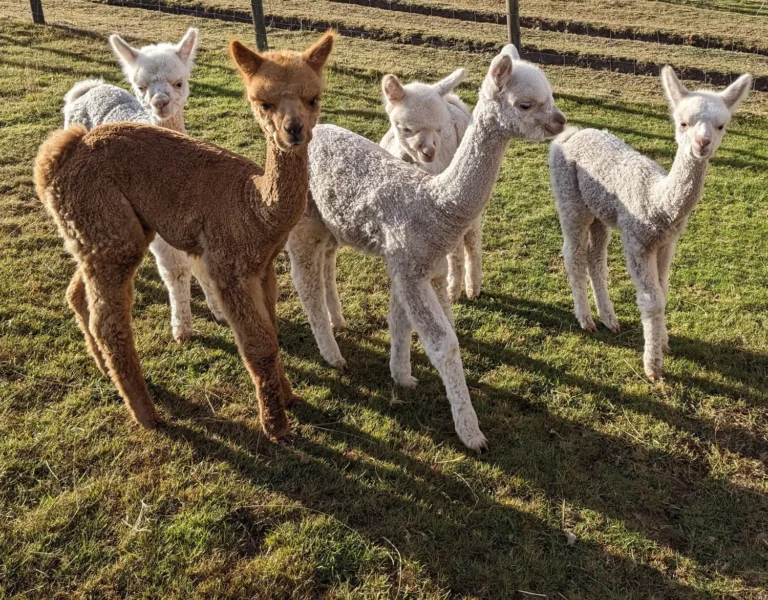
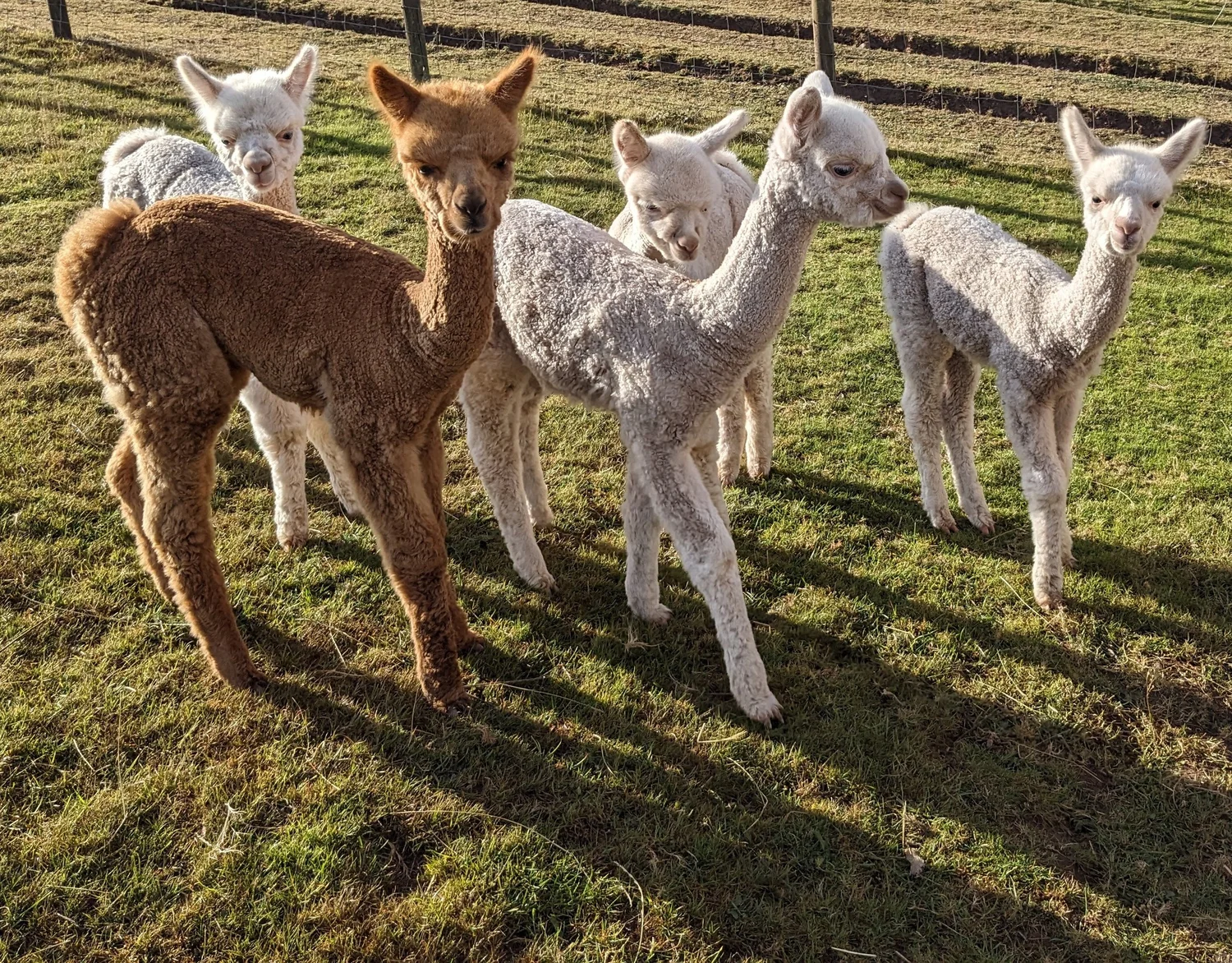
Or maybe it is simply the way a cria trots behind its mother with far more confidence than its tiny legs seem to deserve.
For many people searching for baby alpacas for sale, the first attraction is emotional. They see a photograph and immediately imagine one standing in their pasture.
But buying a young alpaca is still a livestock decision.
Behind that adorable face is an animal with nutritional needs, health requirements, social needs, fencing considerations, and a future that deserves careful planning.
That is why choosing baby alpacas for sale should involve more than finding the cheapest listing or the cutest cria.
The breeder matters.
The parents matter.
The animal’s health matters.
Your property matters.
And your reason for buying matters.
Whether you are starting a small alpaca farm, expanding an existing herd, looking for fiber animals, or simply adding alpacas to a hobby property, taking your time can help you make a much better decision.
This guide walks through the process in plain language, without making it unnecessarily complicated.
Why People Choose Young Alpacas
There are plenty of reasons buyers search for baby alpacas for sale.
Some are attracted to alpaca fiber.
Others enjoy raising animals and want to build a small herd.
Some buyers are interested in breeding.
Others simply appreciate alpacas as distinctive livestock and want them on their property.
Young alpacas can also give a new owner the opportunity to become familiar with an individual animal from an early age.
However, buying young does not automatically mean buying easy.
A cria still needs appropriate nutrition, veterinary attention, companionship, protection from weather, and responsible handling.
The cute stage eventually becomes adulthood.
A responsible buyer thinks about both.
Start With Your Reason for Buying
Before looking seriously at baby alpacas for sale, ask yourself one simple question:
Why do I want an alpaca?
That answer will influence nearly every decision afterward.
If your goal is fiber production, you may care about fleece characteristics and lineage.
If you want breeding stock, genetics and reproductive history become much more important.
If you are starting a small hobby farm, temperament and overall health may be your main priorities.
If you want to build a serious herd, you will need a much more detailed selection strategy.
There is no wrong reason to own alpacas.
There is, however, a problem with buying an animal without knowing what you want from it.
Think Beyond the First Year
When looking at baby alpacas for sale, it is easy to focus on what the animal looks like today.
That is understandable.
Young alpacas are naturally appealing.
But ask yourself what you expect the animal to become.
Will it eventually become breeding stock?
Will it be part of a fiber herd?
Will you keep it as a companion animal?
Will you sell offspring in the future?
Those questions should influence the type of cria you purchase.
Understanding Alpaca Cria
A baby alpaca is commonly referred to as a cria.
The early stage of life is important.
Young animals are still developing, and their condition can change quickly if something goes wrong.
That makes observation especially important when comparing baby alpacas for sale.
A reputable breeder should be able to explain the cria’s age, mother, feeding situation, health history, and general development.
Do not be afraid to ask basic questions.
You are not bothering a good breeder by wanting to understand an animal before purchasing it.
Look at the Mother
One of the smartest things you can do when viewing baby alpacas for sale is to look at the dam.
What is her overall condition?
How does she behave?
What does her fleece look like?
Does she appear healthy?
How has she performed as a mother?
The mother can provide useful information about the cria’s background.
If possible, look at the sire as well.
You are not just buying the youngster.
You are buying into a genetic story.
Health Should Come Before Appearance
A beautiful cria can catch your attention immediately.
But when evaluating baby alpacas for sale, health should come first.
Look for an alert, responsive animal.
Observe its movement.
Pay attention to its body condition.
Look at the eyes.
Notice its general behavior.
Ask about feeding.
Ask about previous health concerns.
Ask whether a veterinarian has examined the animal.
You are not expected to diagnose the cria yourself.
You are trying to identify whether the breeder appears responsible and transparent.
What Healthy Behavior Looks Like
When viewing baby alpacas for sale, observe the animal before you start touching it.
Does it appear alert?
Does it interact normally with its surroundings?
Does it move comfortably?
Does it show interest in its mother?
Does it appear unusually weak or withdrawn?
Behavior is not a complete health assessment, but it can give you useful clues.
If something seems unusual, ask the breeder about it.
A straightforward explanation is much better than guessing.
Check Body Condition
Body condition is another important factor.
When comparing baby alpacas for sale, avoid judging health solely by size.
Young animals develop at different rates.
Instead, consider the complete picture.
Ask about birth weight if available.
Ask how the cria has been growing.
Find out what it is eating.
Ask whether it has experienced any health problems.
A breeder who keeps records should be able to give you meaningful information.
Examine the Eyes and Nose
Clear, healthy-looking eyes are worth checking.
So is the nose.
When inspecting baby alpacas for sale, look for obvious discharge or irritation.
You should also observe breathing.
If anything looks unusual, ask questions.
A responsible breeder should not be offended by a buyer who wants to understand the animal’s condition.
For an expensive or important purchase, professional veterinary advice can be worthwhile before finalizing the transaction.
Watch the Cria Move
Movement can reveal things that a photograph never will.
Ask to see baby alpacas for sale walking naturally.
Watch the legs.
Observe balance.
Look for obvious stiffness or limping.
Young animals are naturally energetic at times and quiet at others, so context matters.
If you notice something concerning, ask the breeder about it rather than immediately assuming the worst.
Choosing a Reputable Alpaca Breeder
The breeder can make an enormous difference to your buying experience.
When researching baby alpacas for sale, look for breeders who know their animals well.
They should be able to discuss:
- The cria’s parents
- Birth information
- Feeding
- Health history
- Vaccination and preventive care
- Fleece characteristics
- Registration, where applicable
- Pedigree
- Temperament
- Breeding goals
A good breeder does not need to pressure you.
They should want the animal placed in a suitable home.
Visit the Farm If Possible
Photographs are useful.
They are not enough.
If you can, visit farms offering baby alpacas for sale before purchasing.
Look at the cria.
Look at its mother.
Look at the other alpacas.
Observe the property.
Look at shelter.
Check water availability.
Notice how the animals are handled.
The purpose is not to judge whether the farm looks fancy.
You are looking for evidence of thoughtful animal care.
Look at the Entire Herd
One of the easiest mistakes buyers make is focusing entirely on the cria they like.
When visiting baby alpacas for sale, look around.
How do the other animals look?
Are they alert?
Do they appear appropriately conditioned?
Are their living areas reasonably clean?
Do they have access to shelter and water?
Does the breeder seem knowledgeable?
A healthy herd can tell you a great deal about the management behind the individual animal.
Ask Why the Cria Is Being Sold
This question is simple but useful.
Ask the breeder why the particular animal is available among their baby alpacas for sale.
There are many perfectly normal reasons.
A breeder may be reducing numbers.
The animal may not fit their future breeding plans.
They may have retained another youngster.
They may be making space for new genetics.
The reason for sale is not automatically a warning sign.
It simply gives you additional context.
Pedigree and Genetics
If you are interested in breeding, genetics deserve serious attention.
When comparing baby alpacas for sale, ask about both parents.
Find out what traits the breeder values.
Look at lineage.
Consider fleece characteristics.
Study the strengths and weaknesses of the family.
A pedigree can be useful, but it should not be the only factor.
The individual animal still needs to be healthy and structurally sound.
Don’t Buy a Pedigree Instead of an Animal
A long list of impressive names does not guarantee that a cria will become exactly what you hope.
When reviewing baby alpacas for sale, consider the whole package.
Genetics.
Health.
Structure.
Temperament.
Fleece.
Growth.
Parent quality.
Management history.
Your own breeding goals.
That is a much more sensible way to evaluate young livestock.
Fleece Quality Matters
For buyers interested in fiber, fleece is obviously important.
When looking at baby alpacas for sale, ask about the parents’ fleece characteristics.
Ask whether the breeder has fleece records or testing information where appropriate.
Consider density, fineness, uniformity, and other characteristics relevant to your goals.
A cria’s first appearance does not tell you everything about its future fleece.
That is why family history and breeder experience can be valuable.
Huacaya or Suri?
Before purchasing baby alpacas for sale, understand the difference between the two major alpaca types.
Huacaya alpacas generally have a dense, crimpy fleece.
Suri alpacas have longer, more distinct locks with a different texture and appearance.
If you have a specific fiber goal, this distinction matters.
Choose the type that fits your interests rather than buying first and researching later.
Temperament Is Worth Considering
Alpacas are not identical in personality.
Some are more relaxed around people.
Others are more cautious.
When comparing baby alpacas for sale, ask how the cria has been handled.
Find out whether it is accustomed to routine human contact.
A young animal that has experienced calm, appropriate handling may be easier to manage as it grows.
That does not mean every nervous cria is unhealthy.
Temperament is simply another piece of the buying decision.
Prepare Your Property Before Buying
Finding baby alpacas for sale is exciting.
But do not bring a cria home before your property is ready.
Prepare:
- Secure fencing
- Appropriate shelter
- Clean water
- Suitable feed
- Safe handling areas
- Veterinary support
- Space for companionship
Preparation is much easier before the animal arrives.
Alpacas Need Companionship
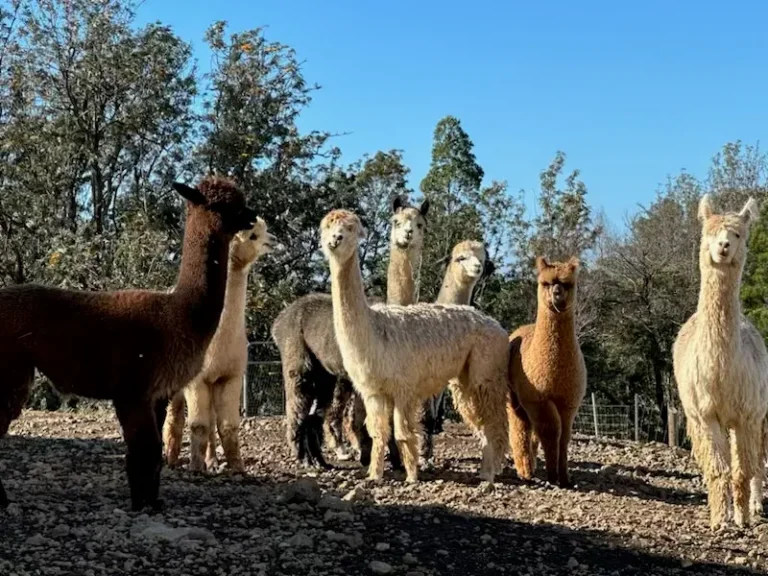
One important point for new buyers is that alpacas are social animals.
When considering baby alpacas for sale, think about companionship rather than keeping a single alpaca alone.
A new owner should plan an appropriate social environment.
If you already have alpacas, discuss introductions with an experienced owner or veterinarian.
If you do not have alpacas, research herd requirements carefully before purchasing.
The goal is to provide a suitable social setting rather than treating an alpaca like a solitary backyard pet.
Fencing for Alpacas
Good fencing is essential.
Before bringing home baby alpacas for sale, walk around your property.
Check for gaps.
Inspect gates.
Remove hazards.
Repair damaged sections.
Make sure young animals cannot easily squeeze through areas that appear secure for larger livestock.
The fence does not need to be extravagant.
It needs to be safe and functional.
Shelter and Weather Protection
Alpacas need appropriate protection from their environment.
When preparing for baby alpacas for sale, consider your local climate.
Heat, rain, wind, and humidity can all affect livestock management.
Provide suitable shelter and shade.
Ensure adequate ventilation.
Keep areas clean and dry where possible.
Local conditions should influence your setup.
Feeding Young Alpacas
Nutrition deserves particular attention with young animals.
When buying baby alpacas for sale, ask the breeder exactly what the cria is currently eating.
Find out about nursing.
Ask about supplemental feeding if applicable.
Ask about hay, pasture, minerals, and other feeds.
Avoid making unnecessary sudden dietary changes after the animal arrives.
If you need to change the diet, seek professional guidance.
Young livestock should not be treated like miniature versions of mature animals.
Their needs can be different.
Ask About Weaning
One important question for anyone considering baby alpacas for sale is:
Has the cria been weaned?
If not, ask what the breeder’s plan is.
Find out how old the cria is.
Ask whether it is eating solid feed reliably.
Ask about its relationship with the mother.
Do not assume that a young alpaca is ready to leave simply because it is available for purchase.
The breeder should be able to explain the animal’s current stage of development.
Veterinary Care
Before purchasing baby alpacas for sale, identify a veterinarian who has appropriate experience with camelids in your area.
Ask about routine care.
Discuss vaccinations and preventive practices appropriate to your location.
Ask about parasite management.
Find out what warning signs require immediate attention.
Having professional support before an emergency occurs is much better than searching for help after a problem develops.
Quarantine New Arrivals
If you already own alpacas or other livestock, discuss quarantine procedures with your veterinarian before introducing baby alpacas for sale into your existing herd.
New animals should not automatically be placed directly with established animals.
A suitable quarantine and health-management program can reduce the risk of introducing problems to your existing herd.
The exact procedure should be based on your animals, location, and veterinary advice.
How Much Do Baby Alpacas Cost?
The price of baby alpacas for sale can vary considerably.
Age is one factor.
Pedigree is another.
Fleece characteristics can influence value.
Breed type, genetics, registration, sex, quality, breeder reputation, and location may also affect price.
Do not assume that the most expensive cria is automatically the best choice.
Likewise, the cheapest animal may not provide the best long-term value.
Compare the complete package.
Calculate the Real Cost
The purchase price is only the beginning.
When budgeting for baby alpacas for sale, consider ongoing expenses such as:
- Feed
- Hay
- Minerals
- Veterinary care
- Fencing
- Shelter
- Transportation
- Routine supplies
- Shearing
- Emergency care
A realistic budget helps you avoid buying more animals than you can comfortably manage.
Buying Alpacas for Fiber Production
Fiber is one of the biggest reasons people explore baby alpacas for sale.
If fiber is your main goal, research fleece before buying.
Ask about the parents.
Look at available records.
Understand what characteristics the breeder is selecting for.
Think about what you will do with the fiber after shearing.
Will you sell it?
Process it?
Use it yourself?
Work with a local mill?
Having a plan makes your alpaca project more practical.
Buying for Breeding
Breeding is a long-term decision.
When considering baby alpacas for sale for a future breeding program, think beyond today’s appearance.
Study the pedigree.
Evaluate the parents.
Ask about reproductive history in the family.
Consider conformation.
Research the breeder’s goals.
You are investing in future genetics, so patience is valuable.
Buying Young Females
Young females may be attractive to people searching for baby alpacas for sale because they can potentially become future herd members.
However, they are not yet proven breeding animals.
Their future performance cannot be guaranteed.
That is why pedigree, parents, health, structure, and breeder reputation matter.
Buy based on informed expectations rather than promises.
Buying Young Males
Young males can also have value depending on your goals.
When evaluating baby alpacas for sale, ask whether the male is being sold as a potential future breeding animal, fiber animal, or for another purpose.
Understand what the breeder sees in the animal.
Ask about his parents and lineage.
Do not assume every young male is intended for breeding.
Clarify the seller’s expectations before purchasing.
Buying Online
The internet has made finding baby alpacas for sale easier.
You can compare farms in different regions.
You can view photographs.
You can contact breeders directly.
But online listings require caution.
Ask for current photographs.
Request videos.
Ask specific questions.
Verify the location.
Request relevant documentation.
If possible, arrange an in-person visit.
Never let an attractive photograph replace proper due diligence.
Online Buying Red Flags
Be careful when a seller offering baby alpacas for sale:
- Refuses reasonable questions.
- Will not provide current photos.
- Avoids video calls or videos.
- Gives inconsistent information.
- Refuses reasonable inspection.
- Pressures you to pay immediately.
- Makes unrealistic promises.
- Cannot explain the animal’s history.
- Provides vague transportation details.
A professional transaction should feel reasonably clear.
If something does not make sense, slow down.
Transportation
Transportation should be planned before purchasing baby alpacas for sale.
Ask the seller how the animal will travel.
Consider the distance.
Make sure the transportation arrangement is appropriate for the animal.
Avoid unnecessary delays.
Prepare the destination before the animal leaves the breeder.
The smoother the transition, the better.
What to Do When Your Cria Arrives
Once your new baby alpacas for sale purchase arrives, give it time to settle.
Provide appropriate water and feed.
Keep the environment calm.
Observe its behavior.
Follow your veterinarian’s recommendations.
If quarantine is required, maintain it.
Avoid overwhelming the animal with unnecessary handling immediately after arrival.
A quiet transition is usually a sensible approach.
Keep Records From Day One
Good records make alpaca ownership easier.
When purchasing baby alpacas for sale, keep information about:
- Birth date
- Parents
- Breeder
- Purchase date
- Health records
- Feeding
- Vaccinations
- Veterinary visits
- Fleece information
- Breeding information
As your herd grows, these records become increasingly valuable.
Common Mistakes Buyers Make
One of the most common mistakes when shopping for baby alpacas for sale is buying based solely on cuteness.
Another is choosing the lowest price.
Some buyers skip health questions.
Others fail to inspect the parents.
Some buy breeding animals without researching genetics.
Others bring a cria home before preparing the property.
These mistakes are avoidable.
Take a breath.
Do your homework.
Then make your purchase.
Don’t Let a Seller Rush You
You may encounter a breeder who says another buyer is interested.
That may be true.
But when looking at baby alpacas for sale, you still have the right to make a careful decision.
If you need time to think, take it.
If you have unanswered questions, ask them.
If something feels unclear, investigate.
There will always be other opportunities.
A responsible purchase is more important than winning a race to buy an animal.
A Simple Buyer Checklist
Before purchasing baby alpacas for sale, create a checklist.
Animal
- Age
- Sex
- Breed type
- Body condition
- Movement
- Eyes
- Coat
- Temperament
Background
- Mother
- Father
- Pedigree
- Birth information
- Health history
- Feeding
- Fleece information
Seller
- Reputation
- Farm visit
- Records
- Communication
- Breeding goals
Your Property
- Fencing
- Shelter
- Water
- Feed
- Companionship
- Veterinary support
- Transportation
This simple list can keep emotions from taking over the buying process.
Questions to Ask the Breeder
Before buying baby alpacas for sale, ask:
How old is the cria?
Is it still nursing?
Has it been weaned?
Who are the parents?
What is the health history?
Has a veterinarian examined it?
What does it currently eat?
What type of fleece do the parents have?
Is pedigree information available?
What is the reason for sale?
Can I visit the farm?
What transportation options are available?
What happens if I have questions after the sale?
The answers can tell you a lot about both the animal and the breeder.
Is a Baby Alpaca Right for You?
The search for baby alpacas for sale should eventually lead to another question:
Are young alpacas actually the right choice for my situation?
A young animal requires patience.
You will be responsible for its care while it grows.
You may not immediately know exactly how it will develop.
If you are comfortable with that, a cria can be an exciting addition to a herd.
If you want a more predictable animal with established characteristics, an older alpaca may sometimes be a better fit.
There is no universally correct answer.
It depends on your goals.
Final Thoughts
Searching for baby alpacas for sale is exciting, but the best purchase is rarely the one made in a hurry.
Take your time.
Look at the animal.
Look at the mother.
Research the breeder.
Ask about health.
Study the pedigree if breeding matters to you.
Understand the feeding program.
Prepare your property.
Have veterinary support ready.
And think about what you want the animal to become.
The right baby alpacas for sale opportunity should fit your goals, your property, your budget, and your level of experience.
You are not simply buying a cute young animal.
You are taking responsibility for a living creature that may remain part of your farm for many years.
That deserves a thoughtful decision.
A good breeder will understand that.
A good buyer will understand it too.
And when both sides approach the transaction responsibly, bringing a new cria home can be one of the most rewarding parts of building an alpaca herd.
Frequently Asked Questions
Where can I find baby alpacas for sale?
Look for established alpaca breeders, farms, agricultural networks, breed organizations, livestock events, and reputable online listings. Always investigate the seller before making a purchase.
What should I look for when buying a baby alpaca?
Pay attention to overall health, body condition, movement, eyes, fleece, temperament, age, parents, and health history. For breeding purposes, pedigree and genetics are also important.
What is a baby alpaca called?
A young alpaca is commonly called a cria.
Should I buy one baby alpaca?
Alpacas are social animals, so companionship should be considered carefully. Discuss your intended herd arrangement with an experienced alpaca owner or veterinarian.
How much do baby alpacas cost?
Prices for baby alpacas for sale vary according to age, pedigree, genetics, fleece characteristics, sex, registration, breeder reputation, and location.
Are baby alpacas difficult to raise?
They require responsible livestock management, including appropriate nutrition, shelter, veterinary care, social companionship, and regular observation. Preparation makes ownership much easier.
What should a baby alpaca eat?
Nutrition depends on age and individual circumstances. Ask the breeder about the current feeding program and consult an appropriate veterinarian or livestock nutrition professional before making significant changes.
Should I visit the breeder?
Yes, whenever possible. Seeing the cria, its mother, the herd, and the farm can provide information that photographs cannot.
Can I buy baby alpacas online?
Online listings can help you locate animals, but you should verify the seller, request current information, ask for documentation, and inspect the animal whenever possible.
Are baby alpacas good for fiber production?
They can become part of a fiber-producing herd, but their eventual fleece characteristics should not be assumed solely from appearance. Study their lineage and ask the breeder about relevant fleece information.
What should I ask an alpaca breeder?
Ask about age, parents, health, feeding, weaning, pedigree, fleece, veterinary care, temperament, reason for sale, and transportation.
What is the biggest mistake when buying a cria?
Buying solely because the animal looks cute is a common mistake. Health, genetics, management history, and suitability for your goals should carry much more weight.