Alpaca Livestock for Sale: A Practical Guide to Finding Healthy Animals and Building the Right Herd
Buying livestock is rarely something you should do on impulse.
You might see an alpaca that immediately catches your eye. The fleece looks excellent, the animal has a striking appearance, and the price seems reasonable.
But there is much more to a good livestock purchase than appearance.
If you are searching for alpaca livestock for sale, you are probably thinking about more than simply bringing home an unusual farm animal. You may want to establish a breeding herd, produce fiber, expand a small farm, create an agritourism experience, or simply enjoy raising alpacas.
Whatever your reason, the animals you choose should fit your plans.
That means looking at health, age, temperament, genetics, fleece quality, breeding history, management requirements, and the reputation of the seller.
The good news is that you do not have to be an experienced alpaca farmer to make a sensible decision.
You just need to slow down, ask good questions, and know what deserves your attention.
This guide takes a practical approach to finding alpaca livestock for sale and choosing animals that make sense for your property, budget, and long-term goals.
Why Alpacas Are Becoming Popular With Livestock Owners
There is something distinctive about alpacas.
They are smaller than many traditional livestock species, have a naturally interesting appearance, and produce valuable fiber.
For many owners, that combination makes them attractive additions to a farm.
People searching for alpaca livestock for sale have very different reasons for becoming interested in these animals.
Some are fascinated by fiber production.
Others are interested in breeding.
Some want a few alpacas on a hobby farm.
Others are developing a larger livestock operation.
There are also owners who enjoy introducing visitors to alpacas as part of a farm-based experience.
The important thing is understanding your own reason before you begin shopping.
Your goal should influence the animal you choose.
Start With Your Purpose
Before contacting sellers about alpaca livestock for sale, take some time to define what you want from your animals.
This simple step can prevent a surprising number of mistakes.
If fiber is your priority, fleece characteristics will deserve considerable attention.
If breeding is the goal, genetics, pedigree, conformation, reproductive history, and health become especially important.
If you are simply starting a hobby herd, temperament and manageable care requirements may matter more.
There is no single alpaca that is perfect for everyone.
The best animal is the one that fits what you actually intend to do.
What to Look for When Buying Alpacas
When comparing alpaca livestock for sale, do not judge an animal only by its photograph.
Pictures can be useful, but they leave out plenty of information.
You cannot properly evaluate movement from a still image.
You cannot see how an animal behaves around people.
You cannot ask a photograph about its feeding routine or health history.
Whenever possible, look at the entire animal.
Pay attention to body condition.
Watch the animal walk.
Look at the feet.
Observe its behavior.
Ask about its history.
And if you are purchasing breeding stock, investigate its genetics carefully.
Health Should Always Come First
A beautiful fleece does not compensate for poor health.
When examining alpaca livestock for sale, health should be near the top of your checklist.
Look for animals that appear alert and comfortable.
Observe how they stand and move.
Ask about previous health problems.
Find out what veterinary care they receive.
Ask what their normal feeding routine looks like.
If you are inexperienced, consider having an experienced alpaca owner or appropriate veterinarian help you evaluate an animal before completing a major purchase.
A second opinion can be especially useful when the animal represents a significant investment.
Look at Body Condition
Fleece can make it difficult for inexperienced buyers to judge an alpaca’s body condition.
That is why questions matter.
When evaluating alpaca livestock for sale, ask the seller whether the animal has experienced recent weight changes.
Find out what it eats.
Ask whether there have been nutritional concerns.
Ask how the seller monitors body condition.
A responsible seller should know their animals well enough to discuss these details.
Do not be embarrassed to ask basic questions.
Every experienced livestock owner was a beginner at some point.
Watch the Animal Walk
Movement tells you something that a sales description cannot.
When looking at alpaca livestock for sale, ask to see the animal walking naturally.
Watch the legs.
Observe the feet.
Pay attention to obvious stiffness or uneven movement.
For breeding animals, structure and soundness deserve particular consideration.
You do not need to become an expert judge overnight.
Simply take the time to observe.
If something looks unusual, ask about it rather than ignoring it because you like the animal’s appearance.
Examine the Feet
Feet can easily be forgotten when buyers become focused on fleece and pedigree.
That is a mistake.
When inspecting alpaca livestock for sale, ask about routine foot care.
Find out whether the animal has experienced recurring foot problems.
Ask how frequently the feet are checked.
Good management includes paying attention to basic physical care.
If you are uncertain about what you see, ask someone with appropriate experience for assistance.
Temperament Is More Important Than Many Buyers Realize
Every alpaca has its own personality.
Some are naturally curious.
Some are calm.
Some are cautious.
Others may take more time to become comfortable around unfamiliar people.
When comparing alpaca livestock for sale, watch how the animal responds to handling.
Think about your own farm.
Will you need to handle the animals regularly?
Will children or visitors be around them?
Will you be doing routine health checks yourself?
A manageable temperament can make everyday ownership much easier.
Ask About Daily Handling
A simple question can reveal a lot:
“How often is this animal handled?”
When discussing alpaca livestock for sale, ask whether the animal is accustomed to routine human interaction.
Ask how it behaves during shearing.
Ask how it responds to transportation.
Ask how it behaves when separated from the herd.
These details matter because even a healthy animal can become difficult to manage if its handling history does not match your situation.
Huacaya or Suri?
One of the first decisions many buyers face when searching for alpaca livestock for sale is choosing between Huacaya and Suri.
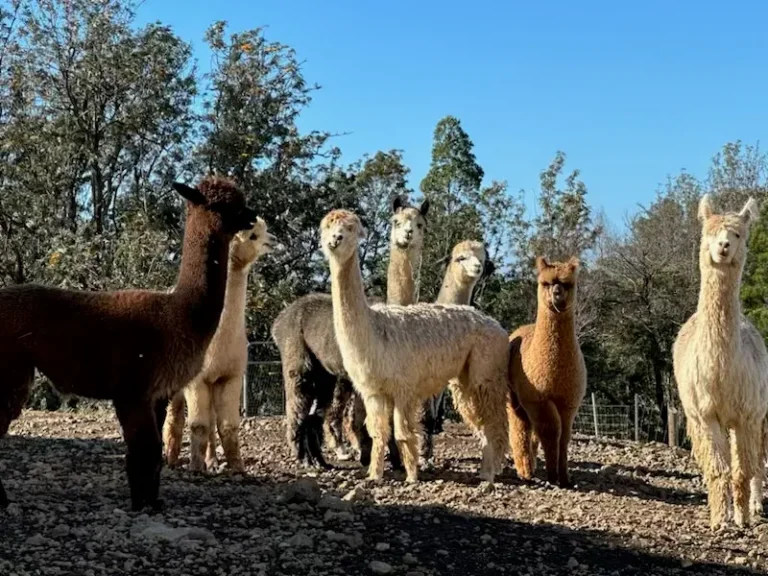
Huacaya alpacas generally have dense fleece with a crimped appearance.
Suri alpacas have longer, flowing locks that give them a very different appearance.
Both can be excellent animals.
Your choice should depend on your goals.
If fiber production is important, research the qualities that matter for the products you intend to make or sell.
If breeding is your focus, study the genetics and breeding programs associated with the type you prefer.
Fleece Quality Deserves a Closer Look
For many people, fleece is the reason they become interested in alpacas in the first place.
When reviewing alpaca livestock for sale, learn to look beyond the general impression of a fluffy coat.
Depending on your goals, characteristics such as fineness, density, staple length, uniformity, crimp, lock structure, and color can matter.
Ask whether the animal’s fleece has been tested.
If objective testing is available, it can provide more useful information than vague descriptions such as “excellent fleece.”
A good seller should be able to explain why they consider an animal’s fleece valuable.
Do Not Let a Beautiful Fleece Distract You
It is easy to become excited when you see an impressive alpaca.
But fleece is only one part of the animal.
When considering alpaca livestock for sale, take a step back and evaluate the entire picture.
Is the animal healthy?
Does it move well?
Does it have a suitable temperament?
Does its pedigree fit your goals?
Is the seller transparent?
Would the animal work well with your existing herd?
These questions are more important than simply asking whether the animal looks impressive.
Understanding Genetics
Genetics become particularly important when purchasing alpaca livestock for sale for breeding.
Ask about pedigree.
Learn about the parents.
Look at available information about previous generations.
Ask what characteristics the breeder is selecting for.
Some programs focus heavily on fleece.
Others emphasize conformation, color, genetics, or a combination of characteristics.
A pedigree is useful information, but it should not be the only factor in your decision.
Buying Young Alpacas
Young animals can be appealing.
When searching for alpaca livestock for sale, you may find younger alpacas priced differently from mature breeding animals.
Young stock can offer potential.
However, they are also less proven.
Their mature fleece characteristics, reproductive performance, and final structure may still be developing.
Ask about their parents.
Study the available pedigree.
Ask why the breeder believes the youngster has potential.
Understanding what you are buying is more important than simply choosing the youngest animal.
Buying Mature Alpacas
Mature animals can offer a different kind of information.
When evaluating mature alpaca livestock for sale, you may have the opportunity to examine established fleece characteristics, temperament, structure, and breeding history.
For some buyers, that information is extremely valuable.
If an animal has produced offspring, you may also have more information about what it can contribute genetically.
That does not automatically make mature animals better.
It simply means there may be more evidence available for your decision.
Buying for Breeding
A breeding program requires careful planning.
When considering alpaca livestock for sale as breeding stock, think about how an animal will complement your existing herd.
Do not simply ask:
“Is this a good alpaca?”
Ask:
“Is this the right alpaca for my program?”
That difference is important.
An animal may have excellent qualities but still not complement your current genetics.
Look for strengths that can improve your herd while avoiding unnecessary weaknesses.
Selecting Female Alpacas
Females can become important foundation animals.
When evaluating female alpaca livestock for sale, ask about reproductive history if the animal is mature.
Find out whether she has previously been bred.
Ask about previous offspring.
If she is young and unproven, understand that you are purchasing potential rather than established reproductive performance.
Health and soundness should remain priorities.
Selecting Male Alpacas
A breeding male can have a significant influence on future generations.
When looking at male alpaca livestock for sale, pay close attention to genetics and pedigree.
Consider fleece characteristics.
Evaluate structure.
Ask about breeding history if applicable.
Most importantly, think about how the male fits your females.
A good breeding decision is about compatibility, not simply choosing the animal with the highest price.
Research the Seller
The person behind the listing matters.
When searching for alpaca livestock for sale, research the farm as carefully as you research the animal.
How long have they been raising alpacas?
Do they know the animals individually?
Can they answer questions clearly?
Are records available?
Are they willing to show you the herd?
Do they explain their breeding goals?
These details can reveal a great deal about the quality of the operation.
Visit the Farm
If circumstances allow, visiting a farm is one of the smartest things you can do before buying alpaca livestock for sale.
You can see the animal in person.
But you can also see the rest of the herd.
Look at fencing.
Look at shelter.
Observe water availability.
Watch how the animals interact with the breeder.
Notice the general condition of the property.
The farm does not have to look perfect.
Working livestock farms are not showrooms.
What matters is whether the animals appear to receive consistent and appropriate care.
Ask Why the Animal Is Being Sold
This is one of the simplest questions a buyer can ask.
When discussing alpaca livestock for sale, ask:
“Why are you selling this animal?”
There can be many perfectly reasonable answers.
The breeder might be reducing herd numbers.
The breeding program might be changing direction.
The animal may no longer fit the breeder’s goals.
The owner might be retiring.
The answer is not automatically good or bad.
It simply gives you more context.
Request Available Records
Documentation can make a livestock purchase much easier to evaluate.
When considering alpaca livestock for sale, ask what records are available.
Depending on the animal, these may include registration, pedigree, breeding history, health information, shearing records, and other relevant details.
Good records can help you understand where the animal came from and what has happened during its life.
They can also make future herd management easier.
Ask About Nutrition
Before bringing home alpaca livestock for sale, find out exactly what the animals are currently eating.
Ask about pasture.
Ask about supplemental feed.
Ask about minerals.
Ask how the feeding routine changes for different ages or circumstances.
This information helps you prepare your own feeding program.
Avoid making unnecessary sudden changes after transportation.
If changes are required, make them thoughtfully and seek professional advice where appropriate.
Prepare Your Property First
One common mistake is buying the animals before preparing the farm.
Before purchasing alpaca livestock for sale, make sure your property is ready.
Check the fencing.
Inspect gates.
Prepare shelter.
Set up reliable water.
Plan feeding areas.
Create a safe place for handling.
Remove obvious hazards.
Preparation makes the arrival of new animals much smoother.
Fencing and Security
Good fencing is essential.
Before bringing home alpaca livestock for sale, walk around your property.
Look for gaps.
Check corners.
Inspect gates.
Repair damaged sections.
Think about whether animals could become trapped or injured.
It is much easier to fix fencing before the alpacas arrive than after you discover a problem.
Shelter and Weather Protection
Alpacas need appropriate protection from local weather conditions.
When preparing for alpaca livestock for sale, consider heat, rain, wind, and sun.
A practical shelter does not need to be elaborate.
It should provide appropriate protection while allowing adequate ventilation.
In warmer climates, shade can be particularly important.
Your local agricultural or veterinary professional can help you understand the specific needs of your area.
Fresh Water
Reliable water is one of the basics of livestock care.
Before buying alpaca livestock for sale, establish a routine for checking water containers.
Keep them clean.
Make sure animals can access them easily.
Check water more frequently during periods of extreme weather.
Small details like this become part of everyday farm management.
Veterinary Planning
Do not wait until you have an emergency to think about veterinary care.
Before purchasing alpaca livestock for sale, identify an appropriate veterinarian who can advise you about alpacas or camelids in your area.
Ask about routine examinations.
Discuss preventive care.
Ask about parasite management.
Talk about local health concerns.
A good veterinary relationship is an important part of responsible livestock ownership.
Transportation Matters
Transportation is sometimes treated as an afterthought.
It should not be.
When buying alpaca livestock for sale, discuss transportation before completing the transaction.
Who is transporting the animals?
What type of vehicle will be used?
How far are they traveling?
How will loading and unloading be handled?
What happens if there is a delay?
Having a plan reduces unnecessary stress for both the animals and the buyer.
Quarantine New Animals
If you already own alpacas, talk with your veterinarian about quarantine procedures before introducing alpaca livestock for sale into your existing herd.
A new animal may look healthy and still require a period of separation.
Proper introduction practices can help protect the animals you already own.
Do not make assumptions.
Use a management plan that suits your herd and local circumstances.
Buying Online
The internet has made it much easier to find alpaca livestock for sale beyond your immediate area.
That can be a major advantage.
You can research farms in different regions.
You can compare bloodlines.
You can view available animals.
You can contact sellers directly.
But convenience does not replace due diligence.
Ask for recent photographs.
Request video.
Confirm the animal’s location.
Ask for documentation.
Arrange an inspection whenever possible.
Do not rush because a listing appears to be disappearing quickly.
Warning Signs Buyers Should Notice
Be cautious when a seller advertising alpaca livestock for sale:
- Avoids reasonable questions.
- Refuses to provide current photographs.
- Cannot provide useful information about the animal.
- Gives inconsistent answers.
- Refuses reasonable inspection.
- Uses excessive pressure.
- Makes unrealistic financial promises.
- Cannot explain the animal’s history.
- Provides unclear transportation arrangements.
One warning sign does not necessarily prove that something is wrong.
Several together should make you slow down and investigate further.
Compare Several Animals
Do not feel that you have to buy the first alpaca you like.
When comparing alpaca livestock for sale, create a simple list for every animal.
Write down age.
Sex.
Price.
Type.
Pedigree.
Health information.
Fleece characteristics.
Breeding history.
Temperament.
Seller information.
This gives you something concrete to compare.
It also reduces the chance that emotion will make the decision for you.
Understand the Total Cost
The purchase price is not the full cost of owning alpaca livestock for sale.
Your budget may need to include:
- Purchase price
- Transportation
- Feed
- Minerals
- Veterinary care
- Shearing
- Foot care
- Fencing
- Shelter
- Equipment
- Emergency expenses
A cheap animal is not necessarily an inexpensive animal.
Think about the long-term cost.
At the same time, do not spend money on premium characteristics that have no value for your particular goals.
Building a Fiber Operation
If you are purchasing alpaca livestock for sale for fiber production, think about the entire process.
What will you do with the fleece?
Will you sell raw fiber?
Will you have it processed?
Will you produce yarn?
Will you make finished products?
Who will buy them?
What will processing cost?
A successful fiber operation needs a market, not just good animals.
Agritourism and Visitor Farms
Some owners incorporate alpacas into visitor experiences.
If this is your goal, temperament becomes particularly important.
When choosing alpaca livestock for sale for agritourism, look for animals that can be managed appropriately around people.
You will also need to consider visitor access, fencing, hygiene, safety, and animal welfare.
A good visitor experience begins with well-managed animals.
Starting a Small Herd
There is no reason to build a massive herd immediately.
For many first-time owners, starting with a manageable number makes more sense.
When researching alpaca livestock for sale, consider your available land, facilities, finances, time, and experience.
Learn the routine first.
Then expand when your systems are working well.
Growth should be intentional rather than rushed.
Learn From Experienced Owners
Books and online articles are useful.
Practical experience is valuable too.
Talk to experienced alpaca owners.
Visit farms.
Ask questions.
Observe routine care.
When researching alpaca livestock for sale, the knowledge you gain from experienced people can help you avoid simple mistakes.
You may also discover practical solutions that are not obvious when you are just reading about alpacas.
Create a Buyer Checklist
Before purchasing alpaca livestock for sale, create a checklist and use it consistently.
Include:
- Age
- Sex
- Alpaca type
- Health
- Body condition
- Movement
- Feet
- Temperament
- Fleece
- Pedigree
- Genetics
- Breeding history
- Registration
- Price
- Seller reputation
- Transportation
Using the same checklist for every animal makes comparison much easier.
Questions to Ask the Seller
When speaking with someone offering alpaca livestock for sale, ask:
How old is the animal?
What is its health history?
What does it eat?
When was it last shorn?
Is it registered?
Is pedigree information available?
Has its fleece been tested?
Has it been bred?
What is its temperament like?
Why is it being sold?
Can I visit the farm?
How will transportation be handled?
Do not worry about asking too many sensible questions.
You are making a livestock purchase.
You should understand what you are buying.
How to Make a Confident Final Decision
Once you have gathered information about alpaca livestock for sale, give yourself time to think.
Do not make the decision immediately after seeing the animal unless there is a compelling reason.
Review your notes.
Compare the animals.
Consider the seller.
Think about your budget.
Think about your farm.
Think about your long-term goals.
Then decide whether the animal genuinely fits your plans.
A good purchase should feel sensible, not rushed.
Frequently Asked Questions
Where can I find alpaca livestock for sale?
You can find alpaca livestock for sale through established breeders, farms, livestock networks, agricultural events, and online listings. Always research the seller before making a purchase.
How do I choose healthy alpacas?
Look at body condition, movement, feet, behavior, fleece, and general appearance. Ask about health records and previous problems. For significant purchases, professional veterinary advice can be valuable.
How much does alpaca livestock cost?
Prices vary significantly depending on age, genetics, pedigree, fleece quality, breeding history, registration, sex, and other characteristics. Compare animals based on overall value rather than price alone.
Should beginners buy alpacas?
Yes, beginners can raise alpacas successfully if they learn proper livestock management and prepare their property. Starting with a manageable herd can make the learning process easier.
What is the difference between Huacaya and Suri?
Huacayas generally have dense, crimped fleece, while Suris have longer, flowing locks. The best option depends on your breeding, fiber, and farm goals.
Should I visit a farm before buying?
Whenever possible, yes. A farm visit allows you to see alpaca livestock for sale in person and evaluate the herd, environment, handling practices, and seller.
Can I buy alpacas online?
Online listings can be a useful starting point. However, buyers should verify information, request recent photos and videos, inspect animals when possible, and confirm transportation arrangements.
What should I ask about an alpaca’s pedigree?
Ask about parents, grandparents where available, registration, notable traits, breeding history, and the characteristics the breeder is selecting for.
Is fleece quality important?
It can be extremely important if fiber is your main objective. Look at characteristics such as fineness, density, staple length, uniformity, and crimp or lock structure.
How many alpacas should I start with?
The appropriate number depends on your land, facilities, finances, experience, and management capacity. A smaller, manageable herd may be a sensible starting point for beginners.
What should I prepare before alpacas arrive?
Prepare secure fencing, shelter, water, feeding areas, handling facilities, transportation arrangements, and veterinary support before bringing the animals home.
Should I quarantine new alpacas?
If you already have a herd, discuss an appropriate quarantine and introduction procedure with your veterinarian before adding new animals.
Can alpacas be part of a profitable farm?
They can be part of businesses involving fiber, breeding, finished products, or agritourism. However, profitability depends on costs, management, market demand, and business planning.
Final Thoughts
Finding alpaca livestock for sale is only the beginning.
The real challenge is finding animals that fit your goals.
Do not let an attractive photograph make the entire decision for you.
Ask questions.
Visit farms.
Inspect animals.
Review records.
Learn about genetics.
Consider fleece.
Watch movement.
Think about temperament.
Calculate the full cost of ownership.
And take your time.
The best alpaca livestock for sale is not automatically the most expensive animal.
It is not necessarily the youngest.
It is not always the one with the longest pedigree.
It is the animal that makes sense for your farm.
If your goal is fiber production, focus on fleece characteristics that matter to your intended market.
If you are building a breeding program, study genetics and long-term compatibility.
If you are starting a hobby farm, prioritize manageable animals and realistic expenses.
If you are developing agritourism, pay close attention to temperament and handling.
Most importantly, remember that buying livestock is a long-term commitment.
The decision you make today can influence your herd for years.
A little extra research before purchasing alpaca livestock for sale can therefore pay off many times over.
Take the time to find the right animals, prepare your property properly, and build relationships with knowledgeable people.
That is how a simple livestock purchase can become the beginning of a healthy, enjoyable, and well-managed alpaca operation.