Alpaca Livestock: A Complete Guide to Choosing, Raising, and Managing Alpacas,
There is something special about seeing alpacas standing quietly in a pasture.
They have an unusual appearance, calm personalities, and a natural curiosity that makes them fascinating livestock.
For many farmers and landowners, keeping alpaca livestock starts as an interest and gradually becomes something much bigger.
Some people become interested in alpacas because of their fleece.
Others want to develop a breeding program.
Some simply enjoy having these animals on their property.
Whatever the reason, owning alpaca livestock requires preparation.
Alpacas may be smaller than many traditional farm animals, but they still need proper food, clean water, secure fencing, shelter, routine health care, and responsible management.
The good news is that you do not have to build a huge operation from day one.
A well-planned small herd can be an excellent way to learn.
This guide explains the practical side of keeping alpaca livestock, from choosing animals and preparing your property to feeding, breeding, fleece management, marketing, and long-term farm planning.
What Is Alpaca Livestock?
Alpaca livestock refers to domesticated alpacas raised and managed as farm animals.
They are members of the camelid family and are closely related to llamas.
Two primary alpaca types are commonly recognized: Huacaya and Suri.
Huacaya alpacas generally have dense, crimped fleece.
Suri alpacas are known for longer, hanging locks and distinctive luster.
Both types can have a place on a farm.
The right choice depends on your goals.
If you are interested in alpaca livestock for fiber, breeding, farm experiences, or a combination of these activities, it helps to understand what makes each animal different.
Why Are Alpacas Becoming Popular?
Interest in alpaca livestock has grown among small farmers, homesteaders, fiber enthusiasts, and people looking for alternative livestock.
One reason is their manageable size.
Another is the interest surrounding alpaca fleece.
Their appearance also gives farms an opportunity to develop educational visits, farm experiences, and other activities where permitted.
However, popularity should not be confused with simplicity.
Alpaca livestock still requires daily attention.
You need to understand their nutritional needs, health requirements, behavior, and environment.
A good owner learns before expanding.
Deciding What You Want From Your Alpacas
Before purchasing alpaca livestock, ask yourself a simple question:
What do I actually want to accomplish?
Your answer will influence nearly every decision that follows.
A breeding operation may focus heavily on genetics.
A fiber operation may concentrate on fleece characteristics.
A small hobby farm may prioritize temperament and ease of management.
A business may combine livestock sales, fiber, farm visits, and other revenue sources.
There is no single correct model.
The important thing is to have a clear direction.
Choosing the Right Alpacas
Selecting alpaca livestock should never be based entirely on photographs.
A beautiful animal can still be unsuitable for your goals.
Look at the whole picture.
Consider health.
Consider age.
Consider conformation.
Consider temperament.
Consider fleece.
Consider pedigree.
Consider breeding history.
If possible, visit the farm where the animals are raised.
Seeing alpaca livestock in person can reveal details that photographs simply cannot show.
Look at the Animal’s Health
Health should come before appearance when evaluating alpaca livestock.
A healthy animal should generally appear alert and comfortable.
Observe its movement.
Look at its body condition.
Pay attention to its behavior.
Ask the seller about health records and veterinary care.
If you are making a significant purchase, consider having a veterinarian examine the animal before completing the transaction.
A professional opinion can be particularly valuable for first-time owners.
Ask About Health Records
Good records can tell you a lot about alpaca livestock.
Ask about vaccinations, treatments, previous health issues, identification, and other relevant information.
You should also ask what the animal is currently eating.
That information can help you prepare for its arrival.
When your new alpaca livestock reaches your property, maintain your own records from the beginning.
Record dates, treatments, breeding information, and other important details.
Understanding Huacaya Alpacas
Huacaya alpacas are the more commonly encountered type.
Their fleece typically grows outward from the body and has a dense, crimped appearance.
For people interested in fiber, Huacaya alpaca livestock can be particularly interesting.
When evaluating them, look beyond general fluffiness.
Pay attention to fleece density, uniformity, fineness, crimp, staple characteristics, and overall condition.
A knowledgeable breeder can help you understand what you are seeing.
Understanding Suri Alpacas
Suri alpacas have a very different fleece appearance.
Their fibers form longer locks that hang from the body.
The fleece can have a noticeable shine or luster.
For buyers interested in Suri alpaca livestock, lock structure and luster can be important considerations.
As with Huacaya animals, fleece should never be the only factor.
Health, structure, temperament, genetics, and suitability for your program still matter.
Preparing Your Property
Your property should be ready before bringing alpaca livestock home.
This sounds obvious, but new owners sometimes purchase animals before finishing the basic infrastructure.
That can create unnecessary stress.
At a minimum, think about fencing, water, shelter, pasture, feeding areas, storage, and handling facilities.
Walk through the property as if you were an alpaca.
Where would you go?
Where could you escape?
Where would water be?
Where would you find shade?
Thinking this way can help identify problems before the animals arrive.
Fencing for Alpacas
Good fencing makes managing alpaca livestock much easier.
Your fencing should create secure boundaries while allowing you to divide the property into practical areas.
You may eventually want separate paddocks for males, females, young animals, new arrivals, or animals requiring special observation.
Inspect fences regularly.
Check gates.
Look for loose sections.
Look for holes or gaps.
A few minutes spent checking fencing can prevent much bigger problems later.
Water Is Essential
Clean, reliable water is one of the most basic requirements for alpaca livestock.
Water systems should be easy to access and maintain.
Check troughs regularly.
Keep them clean.
Monitor them during extremely hot weather.
If your water system depends on electricity or mechanical equipment, consider what will happen if that system fails.
Having a practical backup plan can make farm management much easier.
Shelter and Shade
Appropriate shelter is another important part of keeping alpaca livestock.
The ideal setup depends on your local climate.
The goal is to provide suitable protection from harsh weather while maintaining good airflow.
Shelters should also be practical to clean.
You do not need to build an extravagant structure.
A well-designed, functional shelter can be more valuable than an expensive building that is difficult to maintain.
Pasture Management
Good pasture can be an important resource for alpaca livestock.
However, pasture quality is more than simply having green grass.
Pay attention to drainage.
Monitor grazing pressure.
Watch for muddy areas.
Rotate areas when appropriate.
Avoid allowing a small section of land to become heavily damaged.
Good pasture management can improve the appearance and usefulness of your property while supporting a healthier livestock environment.
Feeding Alpacas
Nutrition is a major part of managing alpaca livestock.
Their diet should be based on appropriate forage and the nutritional conditions of your particular property.
Hay may become especially important when pasture is limited.
Some animals may require additional nutritional support depending on age, condition, reproductive status, or other factors.
Avoid making major dietary changes suddenly.
If you are unsure about nutrition, speak with a veterinarian or qualified livestock nutrition professional.
Hay Storage
If you keep alpaca livestock, plan your hay storage before you actually need large quantities.
Hay should be protected from unnecessary moisture and contamination.
Think about accessibility.
Can you unload hay easily?
Can you reach the storage area during poor weather?
Do you have enough room for seasonal needs?
Planning ahead can save both time and money.
Minerals and Supplements
Some alpaca livestock may require mineral supplementation depending on their diet and local nutritional conditions.
However, supplementation should be based on actual needs rather than guesswork.
Too much of something is not necessarily better.
Discuss mineral programs with a veterinarian or qualified nutrition professional who understands local conditions.
Understanding Alpaca Behavior
Learning normal behavior makes caring for alpaca livestock easier.
Alpacas are social animals.
They often prefer being around other alpacas rather than living completely alone.
They can also be curious and observant.
Spend time watching your herd.
When you know how your animals normally behave, unusual behavior can become easier to recognize.
A change in appetite, movement, or interaction may deserve closer attention.
Choosing a Herd Size
There is no need to start with a large number of alpaca livestock.
In fact, starting smaller can be beneficial for beginners.
A smaller herd allows you to learn daily routines without becoming overwhelmed.
You can discover how much feed you use.
You can learn how much time cleaning and maintenance require.
You can develop relationships with veterinarians and other livestock professionals.
Then you can expand when you are ready.
Buying Alpacas From a Breeder
When purchasing alpaca livestock, the breeder can be almost as important as the animal.
Look for sellers who can answer questions clearly.
Ask about their breeding goals.
Ask about health management.
Ask about the animal’s background.
Ask what documentation is available.
An experienced breeder should understand that buyers have questions.
Do not feel uncomfortable asking for details.
Visit Before You Buy
If possible, visit the farm before purchasing alpaca livestock.
Look at the animals.
Look at their living environment.
Watch how the breeder handles them.
Ask to see records.
Observe the overall condition of the herd.
No farm will be perfect.
The goal is not perfection.
You are trying to understand how the animals are managed and whether the seller appears responsible and transparent.
Registered Alpacas
Registration may be important for certain alpaca livestock buyers.
This is particularly true if you intend to develop a breeding program.
If registration matters to you, ask for documentation and verify that the animal’s identification matches its records.
Keep ownership documents organized after purchase.
Registration can add useful information to a breeding program, but it should never be the only factor in your decision.
Understanding Alpaca Genetics
Genetics become increasingly important as your alpaca livestock program grows.
Think about what traits you want to improve.
You may want better fleece fineness.
You may prioritize density.
You may be interested in conformation.
Perhaps color is an important part of your breeding strategy.
Whatever your objective, make it clear.
A breeding program without a goal can easily become a collection of unrelated decisions.
Breeding Alpacas
Breeding alpaca livestock requires planning.
Do not simply breed animals because they are available.
Think about compatibility.
Study pedigrees.
Evaluate physical characteristics.
Consider the traits of previous offspring where information is available.
Keep detailed records.
Over several years, these records can help you see whether your breeding strategy is actually producing the results you want.
Caring for Pregnant Females
Pregnant alpaca livestock require attentive management.
Their nutritional needs and health should be monitored carefully.
Maintain communication with your veterinarian.
Prepare a clean, safe area for births.
Know what normal behavior looks like and understand when professional assistance may be needed.
New owners should not hesitate to ask experienced breeders for guidance.
Caring for Crias
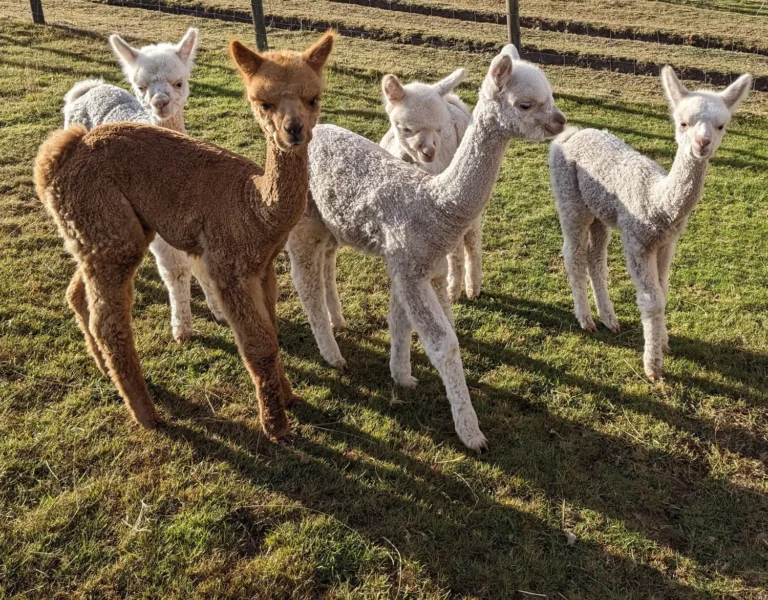
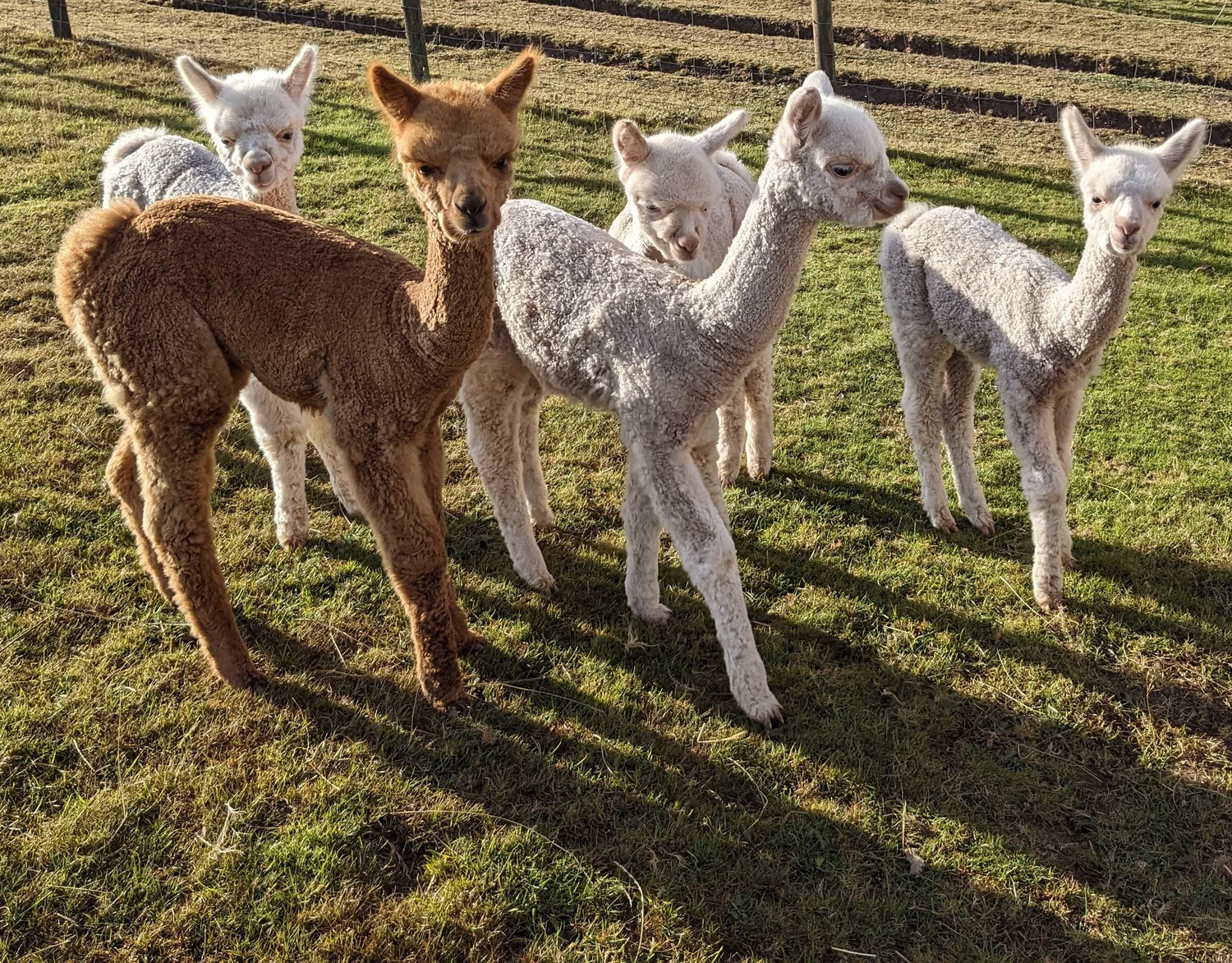
Young alpacas are called crias.
Crias can be one of the most exciting parts of raising alpaca livestock.
They are also vulnerable and require close observation.
Watch their behavior.
Monitor feeding.
Keep an eye on their development.
If a cria seems weak, unusually quiet, or otherwise unwell, contact a veterinarian promptly.
Early attention can matter.
Shearing Alpacas
Shearing is a regular part of managing many alpaca livestock operations.
The timing depends on climate and farm management.
Using an experienced shearer can make the process smoother and safer.
If fleece is important to your business, organize your shearing day before it arrives.
Have clean storage containers ready.
Have labels available.
Know where each animal’s fleece will go.
Good preparation makes a busy day much easier.
Getting Value From Alpaca Fleece
For some owners, fleece is one of the biggest reasons for keeping alpaca livestock.
But raw fleece does not automatically become a profitable product.
There are processing costs.
There may be sorting and cleaning.
There may be transportation.
There is packaging and marketing.
You may eventually sell yarn, clothing, blankets, or other finished goods.
Before investing heavily, research your intended market.
Keeping Fleece Records
If you are raising alpaca livestock for fiber, keep fleece records.
Record the animal.
Record the shearing date.
Record relevant fleece characteristics.
Keep samples when appropriate.
Over time, this information can help you identify which animals consistently produce the type of fleece you want.
Health Management
Responsible owners should have a health plan for their alpaca livestock.
Work with a veterinarian familiar with camelids or appropriate livestock medicine.
Discuss routine examinations.
Ask about parasite management.
Learn about vaccination recommendations for your location.
Maintain accurate treatment records.
Do not rely entirely on internet advice when an animal appears sick.
Professional veterinary guidance is important.
Quarantining New Animals
When new alpaca livestock arrive, ask your veterinarian about quarantine.
This is particularly important when you already have an established herd.
The goal is to reduce the chance of introducing health problems.
Quarantine procedures can vary depending on the situation.
Follow professional recommendations rather than relying on a one-size-fits-all approach.
Farm Record Keeping
Good records can transform how you manage alpaca livestock.
Keep information about:
- Births
- Parentage
- Health care
- Breeding
- Fleece
- Registration
- Purchases
- Sales
- Expenses
- Treatments
You do not need complicated software.
A simple, consistent system is better than a sophisticated system you never update.
Understanding the Costs
Before buying alpaca livestock, create a realistic budget.
The initial purchase is only one expense.
You also need to consider:
- Feed
- Hay
- Veterinary care
- Shearing
- Fencing
- Shelter
- Water
- Transportation
- Equipment
- Insurance
- Property maintenance
Unexpected costs happen on farms.
Leave some room in your budget for them.
Can Alpacas Be Profitable?
Alpaca livestock can potentially provide several income opportunities.
Some farms sell breeding animals.
Others sell fiber.
Some create finished fiber products.
Some offer educational visits or farm experiences where appropriate.
However, profitability is not automatic.
Your expenses, herd quality, marketing, production efficiency, customer base, and business decisions all matter.
Treat your farm like a business if income is your objective.
Selling Alpacas
If you eventually sell alpaca livestock, your reputation becomes extremely important.
Provide accurate information.
Use clear photographs.
Explain the animal’s history.
Include relevant documentation.
Answer buyer questions honestly.
Avoid promising results you cannot guarantee.
A satisfied customer may become a repeat buyer or recommend your farm to someone else.
Creating an Online Presence
A website can be a useful marketing tool for alpaca livestock.
Create individual pages for animals that are available.
Include photographs.
Explain age, sex, color, registration, pedigree, fleece information, and breeding history when relevant.
Keep availability information updated.
Make it easy for interested buyers to contact you.
A clean, informative website can make a small farm appear much more professional.
Local SEO for Alpaca Farms
People interested in alpaca livestock may use searches such as:
- Alpacas for sale near me
- Alpaca farms near me
- Alpaca breeders near me
- Baby alpacas for sale
- Registered alpacas for sale
- Huacaya alpacas for sale
- Suri alpacas for sale
Your website should answer the questions behind these searches.
Instead of stuffing the same phrase into every sentence, create useful pages that genuinely help buyers.
That approach creates a better experience for visitors.
Common Beginner Mistakes
New owners sometimes make predictable mistakes with alpaca livestock.
One is buying animals before preparing the property.
Another is purchasing based entirely on appearance.
Some buyers ignore health records.
Others underestimate feed and veterinary expenses.
Some start with too many animals.
The solution is simple:
Slow down.
Learn first.
Prepare properly.
Then buy.
Start Small and Learn
There is no prize for building the biggest herd immediately.
A small group of alpaca livestock can teach you a great deal.
You will learn the daily routine.
You will learn how much work pasture management requires.
You will become more comfortable handling animals.
You will understand feeding costs.
You will discover what traits matter most to you.
That experience is extremely valuable.
Frequently Asked Questions
Is alpaca livestock easy to raise?
Alpaca livestock can be manageable for beginners who prepare properly, but they still require daily care, appropriate nutrition, clean water, shelter, secure fencing, shearing, and veterinary attention.
How much land do alpacas need?
There is no universal acreage requirement. The appropriate amount depends on pasture quality, climate, feeding practices, herd size, and local conditions.
What do alpacas eat?
Their diet generally relies heavily on forage and may include hay and appropriate nutritional supplementation depending on individual and local needs. Consult a qualified professional for specific feeding recommendations.
Are Huacaya or Suri alpacas better?
Neither is automatically better. Huacaya and Suri alpaca livestock have different fleece characteristics, so the better choice depends on your goals.
Can I keep only one alpaca?
Alpacas are social animals, so prospective owners should carefully consider their social needs and discuss appropriate herd arrangements with experienced alpaca owners or veterinarians.
How often do alpacas need shearing?
Shearing schedules vary according to climate, fleece growth, and management practices. An experienced shearer can help establish an appropriate routine.
Are registered alpacas worth buying?
Registration can be useful for breeding and record keeping. However, buyers should evaluate health, genetics, conformation, fleece, and suitability rather than relying on registration alone.
Can I make money from alpacas?
Potential revenue sources include livestock sales, breeding, fiber, finished products, and certain farm experiences. Profitability depends on management, expenses, market demand, and business planning.
What should I check before buying alpacas?
Check health, age, temperament, conformation, fleece, pedigree, registration, breeding history, records, and the seller’s overall management practices.
Final Thoughts
Raising alpaca livestock can be an incredibly rewarding experience when approached with patience and realistic expectations.
The animals themselves are only one part of the equation.
The land matters.
The fencing matters.
The water system matters.
The feeding program matters.
Your records matter.
And perhaps most importantly, your willingness to learn matters.
You do not need to know everything before purchasing your first animals.
But you should know enough to prepare a safe and practical environment.
Visit farms.
Talk to experienced breeders.
Ask questions.
Study pedigrees.
Learn how to evaluate fleece.
Build relationships with veterinary professionals.
Then make your purchasing decisions carefully.
The best alpaca livestock for your farm may not be the most expensive animals you can find.
They may not be the animals with the longest advertisements or the most impressive photographs.
They are the animals that fit your goals, your property, your management ability, and your long-term plans.
Start with quality rather than quantity.
Build your knowledge alongside your herd.
Keep good records.
Treat your animals responsibly.
And give yourself time to develop.
A successful alpaca operation rarely appears overnight.
It grows through hundreds of small decisions made correctly over time.